Women’s health has become one of the most active and overdue areas of modern wellness. Menopause in particular is finally being discussed more openly, but the conversation is still uneven. Awareness has improved faster than access, and that gap is starting to show.
Most women entering perimenopause today are doing so with more information than previous generations, yet not necessarily more support. What remains less clear is how these shifts connect to broader systems in the body, or what can realistically be done day to day to support them outside of clinical settings.
Understanding Menopause Beyond Hormones
Menopause is not a single event. It’s a transition that can span years, often beginning earlier than expected. During this period, changes in oestrogen and progesterone can influence thermoregulation, mood stability, sleep architecture, cognitive clarity, and perceived energy availability.
At the same time, many of the systems involved in these experiences overlap with core metabolic and cellular processes. Energy regulation, mitochondrial function, and stress response pathways all play a role in how the body adapts during hormonal transition.
This is where conversations around recovery, longevity, and cellular health increasingly intersect with women’s health, even if they have historically been treated as separate domains.
Why Practical Support Remains Difficult to Access
The challenge isn’t that the science is absent. It’s that it hasn’t been translated into practical, everyday support at scale. Much of the existing landscape sits in two extremes. Clinical interventions exist, including hormone replacement therapy and specialist care, which can be highly effective but are not always accessed early, consistently, or universally.
On the other side are general wellness products that are widely available but often lack specificity or meaningful integration into daily routines. Between those two sits a growing group of women looking for something more consistent, less fragmented, and easier to sustain. Not a replacement for clinical care, but a way of supporting baseline energy, recovery, and resilience in a way that fits normal life.
The Power of Sustainable Daily Habits
This is where routine becomes more important than intensity. The most effective interventions in long-term health are rarely the most complex; they are the ones that are actually maintained.
Sleep consistency, nutritional adequacy, stress management, movement, and recovery practices all matter more when they are repeated over time than when they are optimised occasionally.
There is also a behavioural reality that often gets overlooked. During menopause, when sleep is disrupted and energy is less predictable, adherence to complex routines tends to drop. If something requires significant effort, planning, or decision-making, it’s less likely to be sustained.
This is why there’s increasing interest in simplifying how supportive interventions are delivered. Not by reducing their seriousness, but by aligning them with real behavioural patterns.
In practice, that means tools and routines that can be integrated into existing habits rather than added on top of already full lives.
Bridging the Gap Between Science and Everyday Wellness
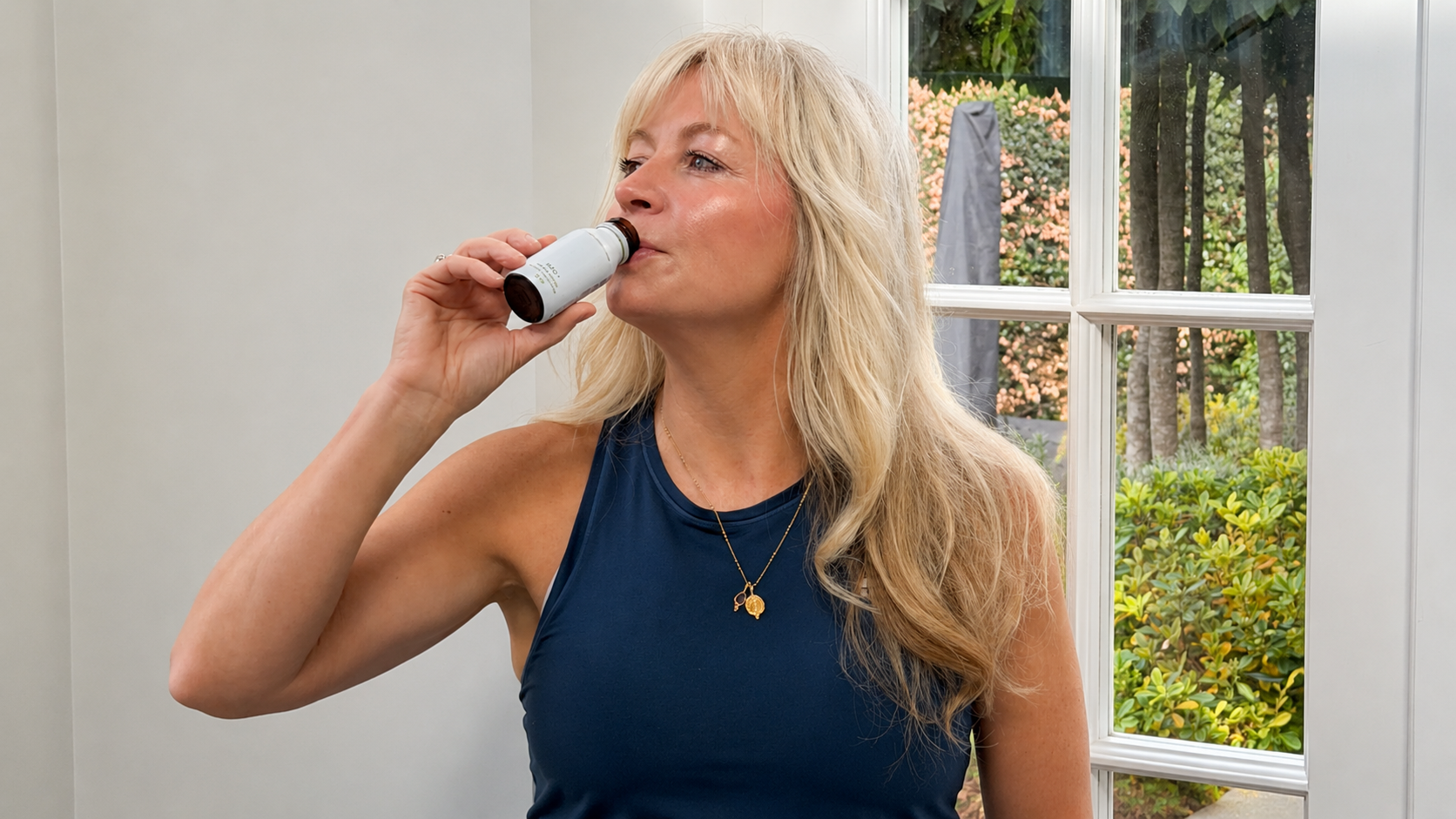
Some modern wellness products, including science-led formulations like NEU+, sit within this broader shift. Not as standalone solutions for hormonal change, but as part of a wider attempt to make cellular and metabolic support more accessible in everyday contexts.
The emphasis is not on replacing medical approaches, but on reducing friction around consistency, particularly for people managing demanding schedules alongside physiological transition.
There is still a tendency in wellness marketing to treat women’s health as a niche category. In reality, it’s central to how productivity, wellbeing, and ageing intersect across half the population.
When energy, sleep, and mood regulation are affected at a hormonal level, the impact is not limited to health outcomes; it extends into work, caregiving, physical performance, and quality of life.
When Health Support Doesn’t Fit Real Life
Preventative health in this space only works when it’s usable. If support systems are too complex, too expensive, or too fragmented, they remain inaccessible to the majority, regardless of how strong the underlying science may be.
That creates a persistent gap between what is biologically possible and what is practically achieved.
The Challenge of Managing an Unpredictable Transition
One under-discussed aspect is how symptom variability affects consistency of care. Many women do not experience menopause in a linear way. Symptoms can fluctuate daily or weekly, which makes rigid protocols difficult to follow.
This variability often leads to stop-start behaviour, where interventions are tried, abandoned, and restarted without sustained continuity. Over time, this reduces trust in both clinical and non-clinical approaches.
The Research Gap in Women’s Midlife Health
There is also a broader systemic issue in how research is structured. Historically, women’s health has been underrepresented in clinical trials, particularly around midlife metabolic and neurological changes.
This has contributed to slower translation of findings into practical guidance, and a reliance on generalised models of health that do not fully account for hormonal transition states.
The result is a landscape where many women are effectively self-navigating complex physiological change with partial information and inconsistent tools. Digital communities, wearable data, and increasingly personalised health tracking are starting to fill some of that gap, but they are still fragmented and uneven in impact.
Building a More Integrated Future for Women’s Health
The future direction of women’s health will likely depend on integration rather than invention. Clinical understanding, behavioural science, and accessible daily routines need to align more closely if outcomes are to improve at scale. That includes recognising that sustainability often matters more than optimisation, and that the best system is the one that people can actually maintain through variability, stress, and time. What is still missing is not knowledge. It’s structure that fits real life.