
Romantic travel is changing. For a long time, the idea of a couple’s trip was built around familiar clichés: a nice hotel, a sunset dinner, a few posed photos, and maybe a luxury touch here and there. That still exists, of course, but it is no longer enough for many travelers. More and more, couples want trips that feel personal. They want to do something together, not just be somewhere together. They want to come home with memories that feel real, not generic.
From what I have observed while living in Japan and working closely with travelers, that shift is especially visible here. Japan has become one of the most interesting destinations for couples not only because it is beautiful, but because it offers a combination that many travelers now seem to be looking for: culture, emotion, novelty, visual memories, and moments of calm. Romance in Japan is less and less about staged perfection and more about shared experiences that feel meaningful.
I have spent more than a decade traveling across Asia and have lived in Japan for the past five years. As the founder of Photo Trips, and also as an active photographer in Tokyo, I still spend time regularly with travelers on the ground, including many couples. That direct contact gives me a close view of how people are planning trips, what they hope to feel, and what kinds of moments matter most to them when they visit Japan. One of the clearest trends is that couples are no longer only searching for romantic places. They are searching for romantic experiences.
This is one reason why professional photoshoots have become such a strong part of couple travel. At first, it might seem superficial, as if it is only about getting nice pictures for Instagram. Social media definitely plays a role. Many couples today are inspired by the kind of polished but intimate travel imagery they see online, and naturally want something similar for themselves. But in reality, the motivation usually goes deeper than that.
A lot of couples simply realize that they do not actually have many good photos together. They travel, they experience beautiful places, but when they come back home, most of what they have are selfies, random phone pictures, or one partner missing from the frame. In the past, people may have felt more comfortable asking strangers to take a photo for them. Today, many travelers are more reserved, and many would rather not interrupt their experience by constantly thinking about who will hold the camera, how the angle looks, or whether the photo turned out well.
That is why a professional photoshoot, especially in a destination like Japan, is no longer just about “taking pictures.” For many couples, it is a way of removing that pressure from the trip. They know they will have beautiful memories captured properly, and after that, they can enjoy the destination more fully. The photos become both a keepsake and a form of relief. The documentation is handled, so the couple can be more present.
What is especially interesting in Japan is the kind of photoshoots couples are choosing. One might expect the most popular options to be traditional romantic settings only: gardens, temples, quiet parks, and scenic landscapes. Those are still very popular, especially for proposals. Kyoto, with its refined atmosphere, old streets, gardens, and temple surroundings, remains an obvious draw for couples who want something timeless. Mount Fuji also has a very special appeal. It is not just visually striking, but emotionally symbolic. For many travelers, proposing with Fuji in the background gives the moment a sense of weight and beauty that feels hard to match elsewhere.
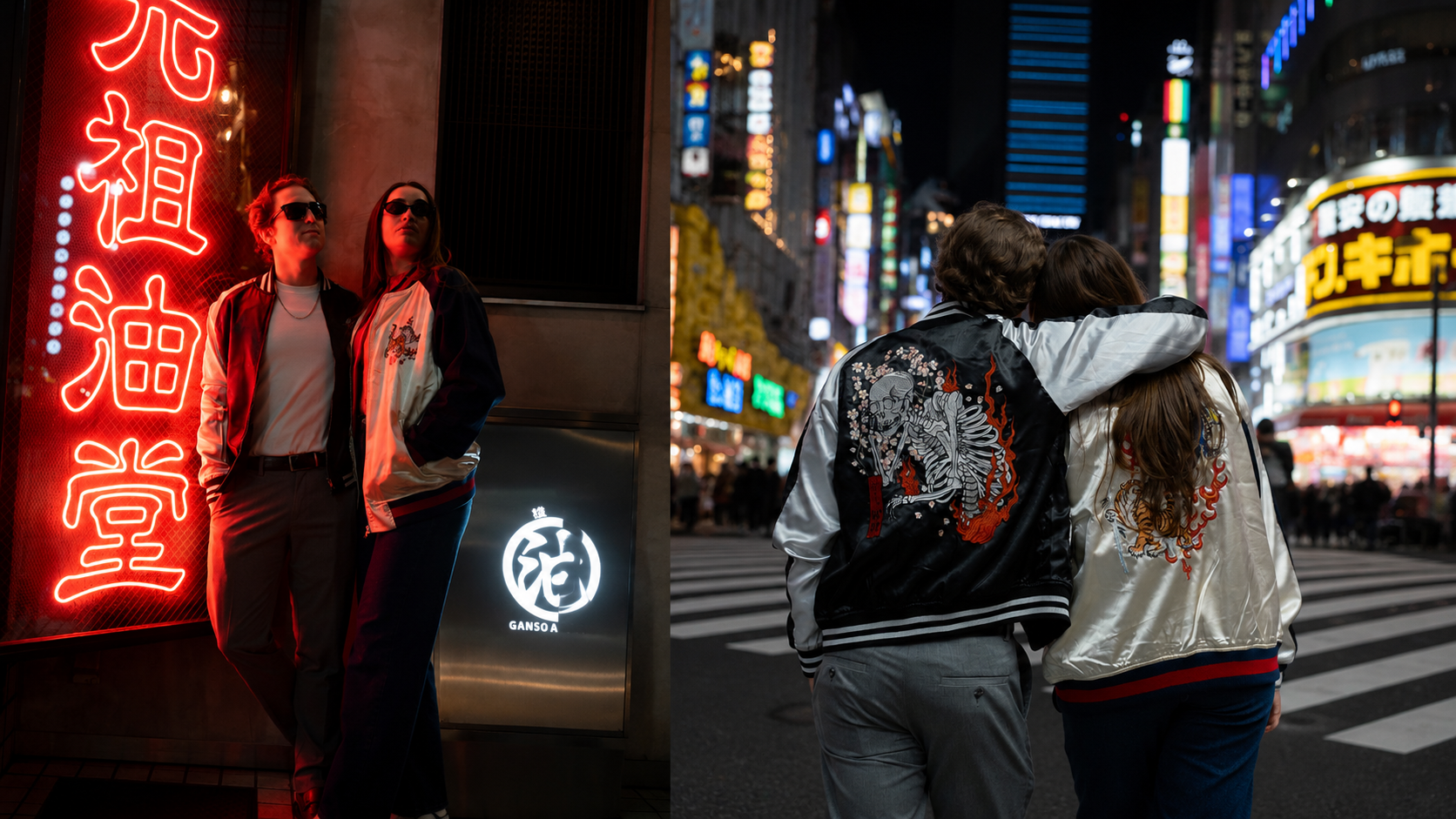
At the same time, one of the most surprising shifts I have seen is how many couples are drawn to urban night photoshoots. Tokyo neighborhoods such as Shinjuku and Shibuya have become very appealing for couples who want something different from the traditional romance image. Neon lights, lively streets, reflections after rain, fashion-forward outfits, and a cinematic city atmosphere all create a type of shared memory that feels modern and creative. These sessions are not less romantic. They are simply expressing romance differently.
Many couples come prepared. They think about outfits in advance, sometimes even buying clothes specifically for the shoot. They arrive with references, poses, or a certain visual mood in mind. They want the images to reflect their relationship, their style, and the energy of the trip. That says a lot about how romantic travel is evolving. It is no longer only about the destination looking beautiful. It is about the couple actively participating in the memory-making process.
This fits a broader travel trend that feels very strong in Japan right now: couples are not just looking for places to see, but for experiences that help them connect with each other and with the destination itself. They want stories, not just scenery. They want to feel that what they did together in Japan could not have been replicated anywhere else.
That is also why local interaction matters more than before. In my experience, travelers increasingly value being guided by someone who understands the place, whether that means a photographer, a host, or a local expert. For couples, that local dimension adds richness to the trip. It turns an activity into something more personal. Instead of simply moving from one famous landmark to another, they feel more immersed. They get context, small recommendations, hidden corners, and a more human connection to the destination.
The second major shift I see among couples visiting Japan is the growing importance of slow travel and wellness. Even travelers who plan to see Tokyo, Kyoto, Osaka, or other major destinations often try to include a few quieter days in their itinerary. Again and again, what stands out is not that they want a full retreat-style holiday, but that they want balance. They want energy, stimulation, and excitement, but they also want time to slow down and recover.
Japan is especially suited to that kind of travel rhythm. A couple might spend several days exploring busy neighborhoods, shopping, eating, and moving through the big cities, then step away for two or three nights in a ryokan or onsen town. That contrast feels increasingly attractive. It offers both intensity and rest in the same trip.
Places such as Hakone and Atami remain popular for this, but the appeal goes beyond the famous names. One of Japan’s strengths is that onsen culture is not limited to one region. Hot spring towns, mountain retreats, and countryside ryokan experiences exist across the country, often in quieter places that feel much more intimate than the better-known routes. Many couples are actively looking for that. They want somewhere peaceful, scenic, and rooted in local tradition.
The appeal of a ryokan stay is not only about luxury. In fact, many travelers seem less interested in luxury for its own sake than in a type of comfort that feels culturally meaningful. A traditional inn offers a very different rhythm from a city hotel. Shoes come off. Time slows down. Meals become part of the experience. The atmosphere encourages stillness. For couples, that often creates the kind of closeness that modern travel can otherwise lose.
Private onsen are especially important in this trend. Public baths in Japan are often separated by gender, which is part of the tradition, but many couples specifically look for rooms or inns that offer a private bath so they can enjoy the experience together. That request comes up often. It is one of the clearest examples of how couples want romantic travel to feel both authentic and shared. They are not just interested in wellness as an idea. They want to experience it together in a way that feels intimate.
I also think this rise in slow, wellness-driven travel reflects a broader mindset change. Many travelers today are looking for more than entertainment. They want their trips to affect them in some way. They want to return home with more than souvenirs. In Japan, that often means becoming curious about habits, rituals, and ways of living that feel more intentional. Whether it is the bathing culture, the food, the seasonal awareness, or the quiet attention to detail in traditional hospitality, couples often seem to feel that Japan offers something they can learn from, not just admire.
That gives romantic travel here a different quality. The trip is not only about escape. It is also about reflection, restoration, and discovery. For some couples, the most memorable part of the trip may be the excitement of walking through Shinjuku at night and capturing a bold, cinematic moment together. For others, it may be the stillness of a private bath in the countryside after days of moving through busy cities. Very often, it is the combination of both that makes the experience feel complete.
That, to me, is where romantic travel in Japan is heading. Couples still want beautiful destinations, of course, but beauty alone is no longer the main point. What matters now is how a place makes them feel, what they can do together there, and what kind of memories they bring home. Japan answers that in a very compelling way because it offers not one version of romance, but many: traditional and modern, energetic and peaceful, visual and emotional.
In 2026, I think the strongest romantic destinations will be the ones that help couples create something together rather than simply consume a polished version of romance. Japan does that especially well. It allows couples to move between intimacy and discovery, between aesthetics and connection, between excitement and rest. And that is exactly why it continues to stand out. Romance is no longer just about the setting. It is about the experience shared inside it.