Biohacking has moved beyond niche fitness circles and into everyday wellness conversations. Longevity, recovery, and cellular health are no longer topics reserved for clinicians or elite athletes. Today, people are discussing energy, performance, ageing, and women’s health more openly than ever.
The problem is that access has not kept pace with awareness. Most people now understand concepts such as NAD+ support, metabolic optimisation, and recovery science far better than they did a few years ago. What many still lack is a practical way to apply that knowledge consistently in daily life. The challenge is no longer information; it’s implementation.
Why NAD+ Matters
NAD+ sits at the centre of this shift. It’s one of the most studied molecules in cellular metabolism and plays a role in hundreds of processes linked to energy production, DNA repair, and mitochondrial function. NAD+ levels naturally decline with age and can also be influenced by factors such as poor sleep, chronic stress, intense training, and hormonal changes.
This is particularly relevant in women’s health. During perimenopause and menopause, hormonal changes often coincide with disrupted sleep, mood fluctuations, cognitive changes, reduced resilience, and lower energy levels. These experiences are not isolated symptoms. They reflect broader shifts in how the body manages energy and responds to stress at a cellular level.
The Gap Between Science and Everyday Life
The science behind these mechanisms has been discussed for years. The more difficult challenge has been translating that science into solutions people can realistically use. While research continues to advance, practical adoption often lags behind.
At one end of the spectrum are clinical interventions such as IV therapy. These approaches deliver compounds directly into the bloodstream and are often presented as the most direct option. However, they are expensive, time consuming, and inaccessible for many people. As a result, they tend to be used occasionally rather than consistently.
At the other end are supplements such as capsules, powders, and blends. These are generally more accessible, but maintaining regular use can be difficult. If a product is inconvenient, easy to forget, or disconnected from existing habits, long-term consistency often suffers.
Consistency Is the Real Challenge
This highlights one of the biggest challenges in modern wellness. The issue is no longer discovering new compounds. It’s making existing science practical enough to become part of everyday life.
Real results depend less on theory and more on consistent use. Even the most well researched ingredient has limited value if it is not taken regularly. This is why many wellness products are now being designed around routine rather than complexity.
The most effective solutions are often not the most advanced on paper. They are the ones that fit naturally into daily habits without requiring constant effort, planning, or decision making. Long-term adherence remains one of the strongest predictors of meaningful outcomes.
Designing for Real Behaviour
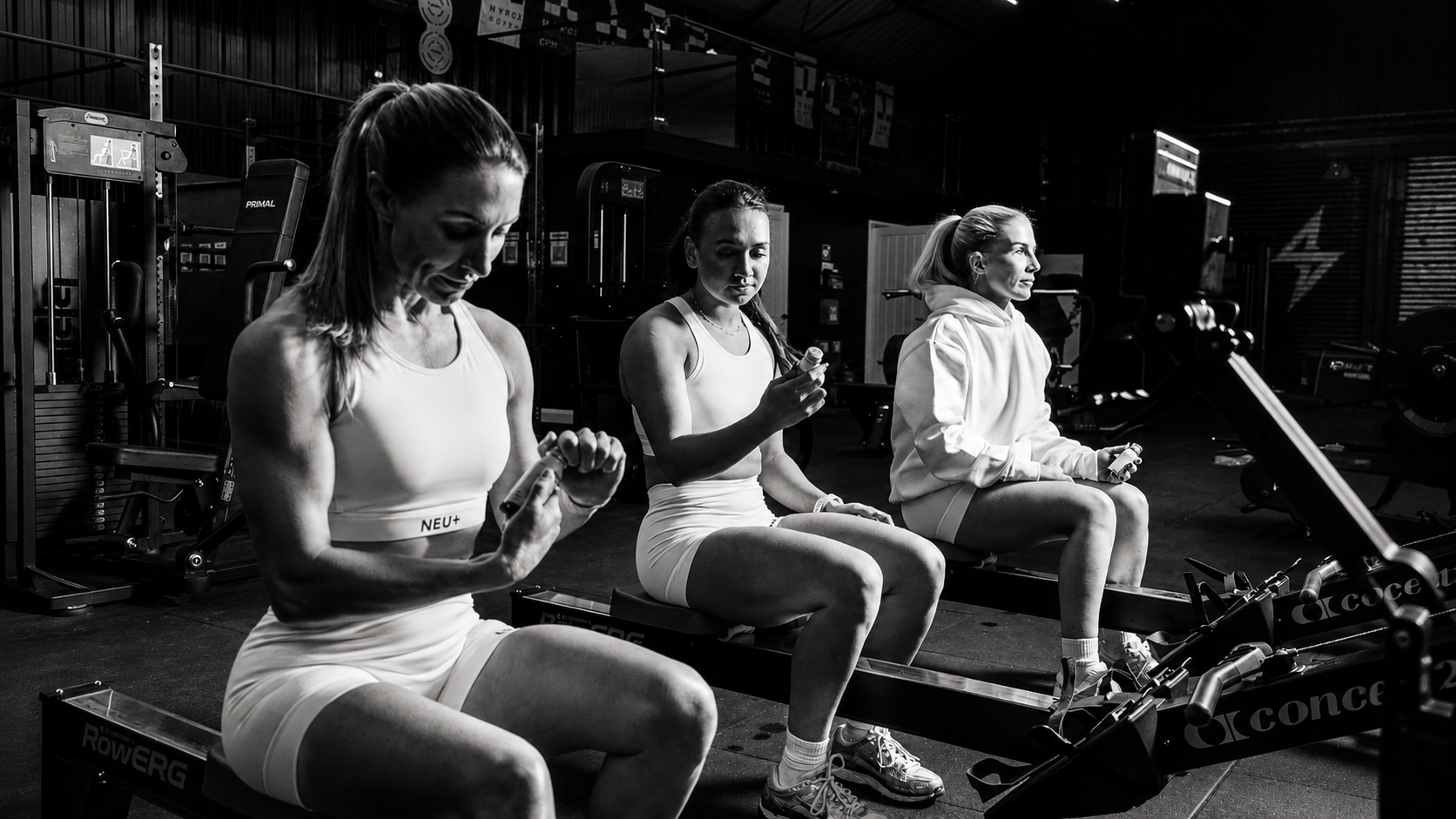
In practice, this means creating delivery formats that align with real behaviour rather than ideal intentions. I developed NEU+ to exist within this broader movement. It focuses on a well-researched pathway in NAD+ biology while prioritising ease of integration into everyday routines.
The goal is not to replace clinical interventions or overstate potential outcomes. Instead, the focus is on narrowing the gap between scientific interest and practical consistency. This distinction is important because long-term health improvements are often built through repetition rather than isolated interventions.
The wellness industry frequently focuses on novelty. New compounds, protocols, and categories regularly emerge. Yet a simple intervention used consistently will often outperform a more complex one that is used only occasionally.
A Changing Conversation Around Women’s Health
A broader shift is also taking place in women’s health. Conversations around perimenopause and menopause are becoming more visible, reducing stigma and increasing awareness. However, awareness alone does not guarantee access to meaningful support.
Many commonly reported experiences, including fatigue, brain fog, poor sleep, and reduced resilience, are connected to systems involved in energy metabolism and stress regulation. That does not mean these symptoms have a single cause. It does, however, highlight how interconnected these biological processes can be.
Why Accessibility Matters
Preventative health can only be effective if people can access it. When interventions are expensive, complicated, or dependent on specialist environments, they remain available to only a limited group of people. This creates a growing divide within modern wellness.
The divide is not between people who care about their health and those who don’t. It’s between those who can access intensive interventions and those who rely on more practical, everyday options. Both groups are often pursuing the same goals while working within different constraints.
What Works in Real Life?
The more useful question is not what works under ideal conditions. It’s what remains effective in the context of everyday life. Most people are balancing work, family responsibilities, training, stress, and changing physiology.
In that environment, even highly advanced interventions lose value if they are too difficult to maintain. This is why delivery format has become almost as important as formulation. Benefits can only accumulate when an intervention is used consistently over time.
The Future of Biohacking
The future of biohacking is likely to focus less on discovering entirely new compounds and more on improving how existing science is delivered. Simplicity, accessibility, and sustainability are becoming increasingly important. Products that fit seamlessly into daily routines are likely to have the greatest long-term impact.
Clinical and intensive interventions will continue to have an important place, particularly in specialist settings. For most people, however, the main barrier is not awareness or motivation. It is maintaining consistency through the realities of everyday life.
Viewed through that lens, the conversation changes. The goal is no longer finding the most powerful intervention in isolation. It’s finding approaches that people can use consistently enough to make a meaningful difference. That is where the gap between science and real life remains, and where much of the future of women’s health, longevity, and recovery may ultimately be shaped.