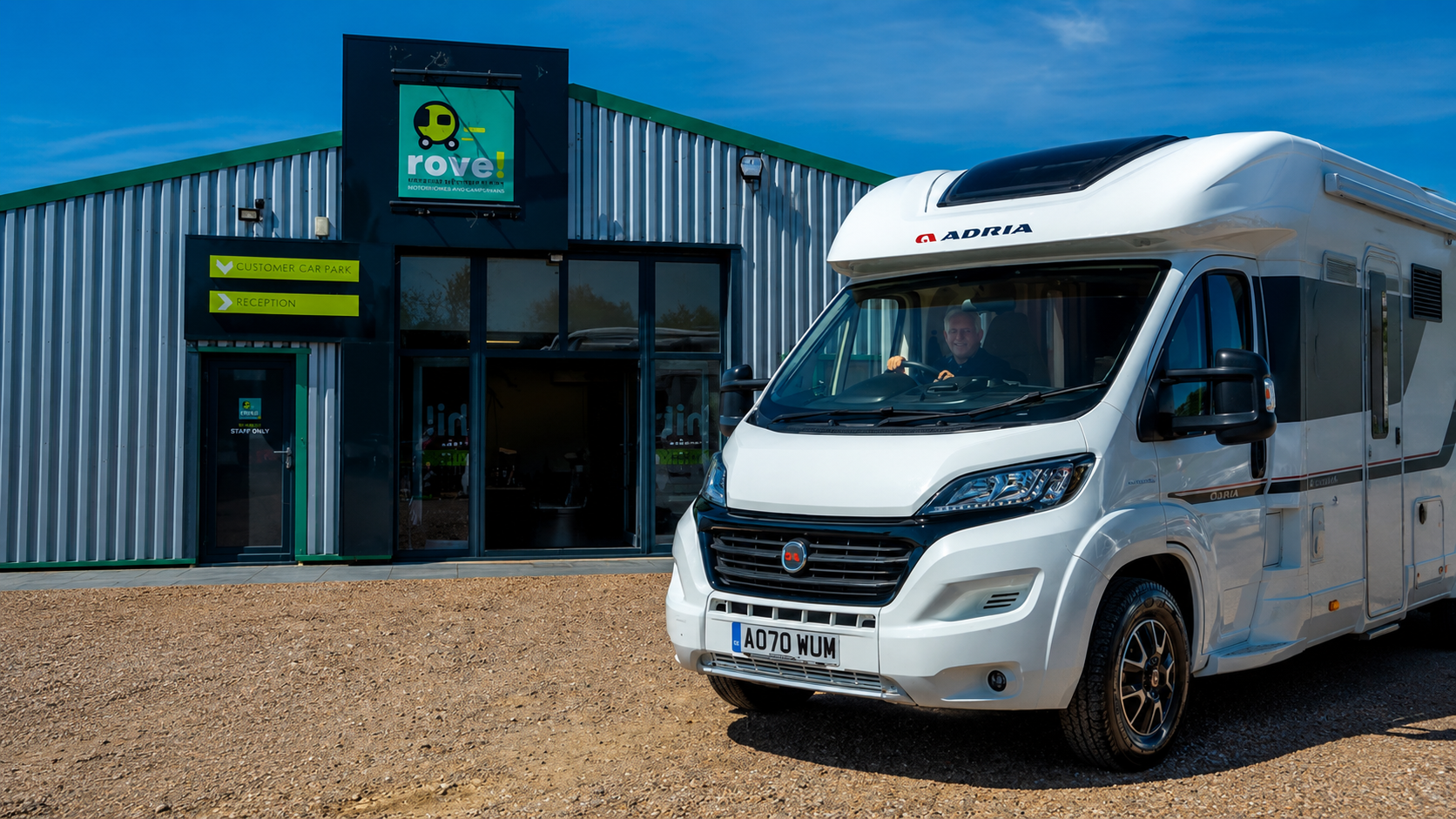
Featuring – Natalie Drewery, Cofounder of rove! Motorhomes.
By Ellie Dharamraj
For years, modern life has been defined by speed. Faster technology, faster communication, faster deliveries and, increasingly, faster travel. We have become accustomed to squeezing as much as possible into every day, every weekend, and every holiday.
Yet a growing number of people are beginning to question whether faster is actually better.
Across the travel sector, a noticeable shift is taking place. Rather than chasing packed itineraries and ticking destinations off a list, travellers are increasingly seeking experiences that prioritise presence, flexibility, and connection.
The rise of ‘slow travel’ reflects a wider cultural movement towards intentional living, one that places greater value on the quality of an experience than the quantity of destinations visited.
This trend is not simply changing how people travel; it’s reshaping how they think about work, wellbeing, and what constitutes a meaningful lifestyle.
Escaping the Culture of Constant Acceleration
For many people, daily life now feels permanently switched on. Smartphones have blurred the boundaries between work and personal time. Social media encourages constant comparison and consumption. Even leisure activities can feel scheduled and optimised.
As a result, more and more people are actively seeking the opportunity to slow down.
Travel has become one of the most powerful outlets for this desire. Rather than viewing time taken off busy work schedules as a race to see as much as possible, people are increasingly using them as an opportunity to disconnect from routine, spend more time outdoors, and experience destinations at a more natural pace.
Longer stays, fewer schedules, and greater flexibility allow travellers to engage more deeply with the places they visit. Instead of rushing between attractions, they have the freedom to explore local communities, discover hidden locations and create experiences that feel more personal and authentic.
The Wellness Connection
The growth of slow travel also reflects a broader focus on wellbeing.
Research consistently highlights the positive impact that nature, movement, and reduced stress can have on physical and mental health. Travellers are becoming more aware that restorative experiences often come not from luxury amenities, but from time spent outdoors, meaningful social connection and a temporary escape from everyday pressures.
In many ways, slow travel represents a natural extension of the wellness movement. Just as people are becoming more conscious of nutrition, sleep and exercise, they are also becoming more intentional about how they spend their leisure time.
Rather than returning from a holiday feeling exhausted, many now want experiences that leave them feeling genuinely refreshed.
The Experience Economy Continues to Evolve
Another factor driving the rise of slow travel is the continued growth of the experience economy.
Consumers increasingly value experiences that create lasting memories over the accumulation of material possessions. This is particularly evident among younger generations, but it is increasingly influencing travellers of all ages.
Experiences offer something that products often cannot: personal growth, emotional connection and stories worth sharing.
The shift is visible across multiple sectors, from wellness retreats and outdoor adventures to cultural tourism and extended road trips. People are looking for experiences that feel unique, adaptable and reflective of their individual interests.
As a result, flexibility has become highly desirable. Travellers want the ability to change plans, follow recommendations from locals and discover opportunities.
Remote Work Has Changed Expectations
The rise of hybrid and remote working has further accelerated these changes.
For many professionals, location is no longer as fixed as it once was. The traditional distinction between working life and travel is becoming increasingly fluid, creating new possibilities for extended trips and flexible lifestyles.
This has encouraged many people to rethink what travel can look like. Instead of concentrating all leisure time into a single annual holiday, individuals can increasingly integrate travel into their wider lifestyle throughout the year.
Redefining Modern Luxury
Perhaps one of the most interesting aspects of the slow travel movement is how it’s changing perceptions of luxury.
Historically, luxury travel has often been associated with exclusivity, extravagance and premium services. While those elements remain important for some travellers, many consumers now define luxury differently.
Today, luxury may mean having the freedom to decide where to wake up tomorrow. It may mean spending uninterrupted time with family, enjoying a peaceful natural environment or having the flexibility to follow curiosity rather than a timetable.
In an increasingly busy world, time, space and freedom are becoming some of the most valuable assets people can possess.
As Natalie Drewery, Co-Founder of rove! Motorhomes, explained to me: “People are prioritising flexibility and meaningful experiences over traditional holiday structures. For many travellers, it’s less about the mode of transport and more about having the freedom to explore on their own terms.”
This reflects a broader lifestyle shift that extends far beyond any single travel category.
Looking Ahead
Slow travel is unlikely to be a passing trend. Instead, it appears to be part of a larger reassessment of how people want to live, work and spend their time.
As technology continues to accelerate the pace of daily life, the desire for slower, more intentional experiences may only become stronger. Consumers are increasingly seeking opportunities to reconnect with nature, prioritise wellbeing and create experiences that feel genuinely meaningful.
The future of travel may not be defined by how quickly we can move from one place to another, but by how deeply we can engage with the journey itself.
In a culture that often celebrates speed, choosing to slow down may prove to be one of the most powerful lifestyle decisions of all.