We live in a world where wellness has never been more accessible, yet so many people feel more overwhelmed than ever.
Every day we’re told to wake up at 5am, meditate for 30 minutes, take ten supplements, track our sleep, hit 10,000 steps, drink green juice, avoid certain foods, cold plunge, journal, breathwork, strength train, stretch, and somehow still have enough energy left to be productive at work, show up for our families, and maintain a social life.
What started as a movement towards better health has, for many people, become another source of pressure.
As someone who has spent years working in movement, holistic health, women’s wellbeing, and recovery, I’ve seen firsthand what happens when people chase wellness instead of living it. The irony is that the harder we try to optimise every aspect of our lives, the further we often move away from genuine wellbeing.
Perhaps the future of wellness isn’t about doing more, but rather it’s about doing less, but doing it consistently.
The Problem With Modern Wellness
The wellness industry is filled with valuable information, but this can actually be incredibly confusing.
One week a food is considered healthy, the next week it’s inflammatory. One expert recommends fasting while another warns against it. One exercise is going to do everything, then it disappears faster than the latest miracle shake.
Social media, and now AI, have created a culture where health advice is consumed in short snippets without context or any level of personalisation and this can leave people feeling uncertain about what is actually right for them.
The reality is that there is no universal blueprint for health and yet somehow we have reached a point where it’s as if we think that one size fits all approach actually works, but it doesn’t.
What needs to be considered for each person includes lifestyle, stress levels, genetics, age, hormones, environment, and goals; all these play a role in determining what wellbeing looks like for you.
The healthiest approach is often the one that is sustainable enough to become part of your everyday life.
Recovery Is No Longer Optional
One of the biggest shifts I’ve seen in recent years is a growing understanding of recovery and the need to do this.
For decades we celebrated being busy and it’s almost become a gold medal race no one asked to enter, but is now a part of.
However, I believe that we’re now finally beginning to understand that recovery isn’t weakness, it’s where adaptation happens.
Whether you’re an athlete, entrepreneur, parent, or professional, your body and mind need periods of recovery in order to perform at their best.
Recovery doesn’t always mean lying on a massage table or taking a week off work. It has many facets but whatever form it takes, it’s needed. Going to bed 30 minutes earlier and taking a walk in nature, both without your phone, is a recovery mechanism. Taking a Pilates class focused on mobility rather than intensity is something your body and mind will thank you for and as will eating nourishing food. You can also start to set, and keep boundaries around work but also your personal time and being ok with saying no when your schedule is already full
These small actions create a cumulative effect that supports long-term health and while they might not look like much, if you do them on a consistent basis, you will start to see and feel the benefits.
Movement Should Support Your Life
As a Pilates instructor and studio owner, I’ve worked with thousands of clients over the years and the one thing I’ve learned is that movement should enhance your life, not punish your body.
Many people still approach exercise as something they need to survive rather than enjoy, which means they choose workouts based solely on calorie burn, intensity, or trends, but sustainable movement is different.
Sustainable movement focuses on building strength, improving mobility, supporting posture, reducing pain, increasing energy, and helping you feel capable in everyday life.
The best exercise programme is the one you can maintain consistently for years, not weeks, so step back from where you are and look at where you want to be and what changes need to be made.
One foot in front of the other is key, you want to find a new habit you can keep, rather than rushing to sign up for a marathon that will never happen.
Women’s Health Deserves More Attention
For too long, women’s health has been approached using models designed primarily around male physiology.
Women experience significant hormonal changes throughout different stages of life, including menstruation, pregnancy, postpartum, and menopause, yet we are still told to push through fatigue, ignore symptoms, and train the same way every day.
Real wellbeing requires a more personalised approach which means listening to your body isn’t weakness, it’s intelligence.
Some days your body needs intensity but on other days it needs recovery, and when we can understand and make the changes, you can transform not only your physical health but also your relationship with yourself.
The Missing Piece: Connection
One area of wellbeing that often gets overlooked is connection and as we still live in the shadow of the Covid restrictions we can forget that humans are fundamentally designed for community.
We need meaningful relationships, supportive environments, and spaces where we feel seen and understood and this is one of the reasons I believe wellness extends beyond movement or nutrition.
The conversations we have, the environments we spend time in, and the people we surround ourselves with all influence our wellbeing. We need to see that health isn’t just physical but also emotional, social, mental and spiritual, so if one area is neglected, the others often suffer too.
What Sustainable Wellbeing Really Looks Like
Sustainable wellbeing isn’t being perfect and it doesn’t require expensive supplements, strict routines, or constantly chasing the next wellness trend.
Instead, sustainable wellbeing focuses on foundational habits that can be maintained throughout different seasons of life.
Moving your body regularly, prioritising quality sleep, managing stress proactively and eating mostly nourishing foods are key to this. You also need to create that all-important time for recovery and give yourself permission to rest, but don’t self isolate, instead build relationships that feel meaningful for you.
Most importantly, I am passionate that people recognise that health is not a destination but rather living a life with purpose and direction and building an ongoing, positive relationship with yourself.
In an increasingly complex wellness landscape and despite what we might have been led to believe, simplicity may be our greatest advantage.
When we stop chasing perfection and start focusing on consistency, we create a foundation for health that lasts far beyond any trend or social media moment that goes viral.
Remember that wellbeing should support your life, not consume it and that’s what true wellbeing looks like.
Nikkii
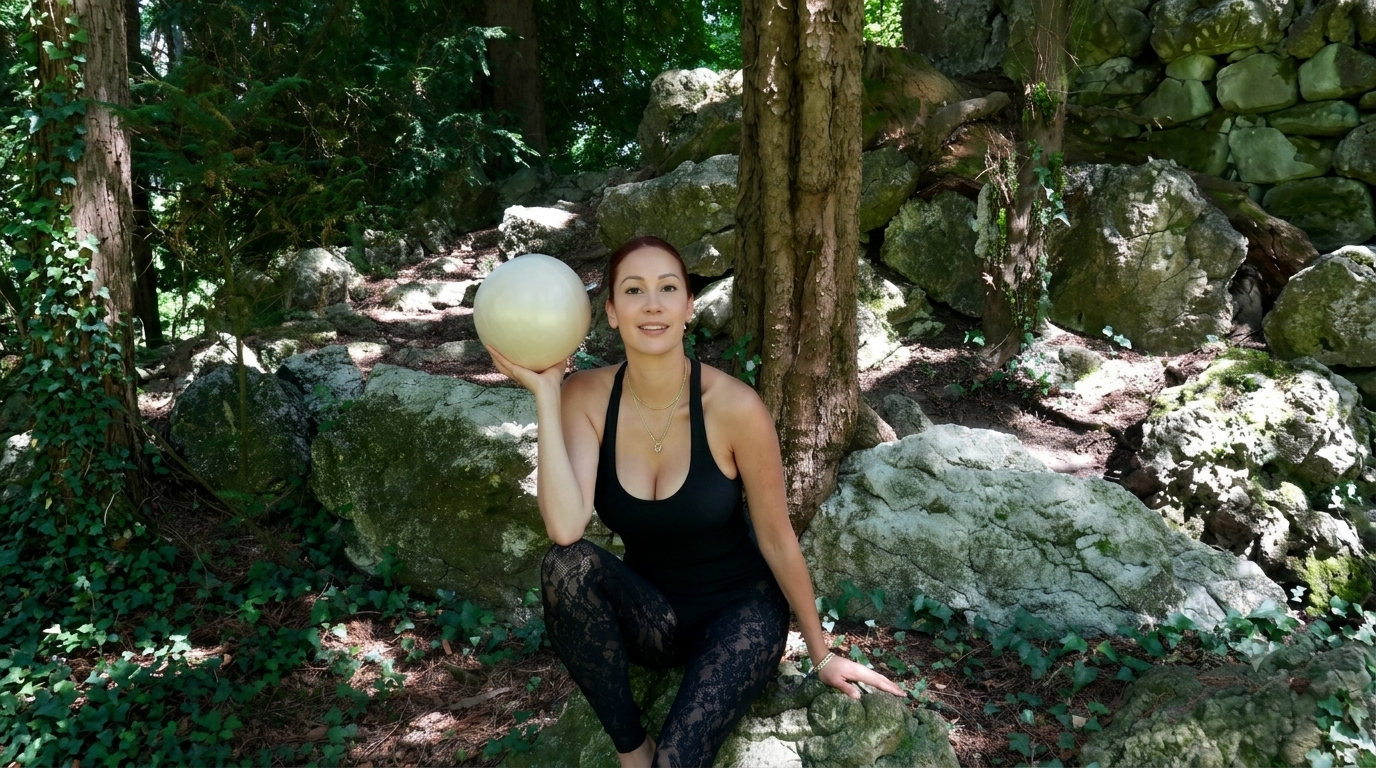
Nikkii Behrens is the founder of Rare Street Pilates, a Pilates educator, entrepreneur, and wellness advocate based in Zurich, Switzerland. Through her studios, teacher training programs, and online education platform, she helps people build stronger, healthier, and more confident lives through movement, mindset, and sustainable lifestyle practices. Her mission is to make health and wellness accessible, empowering, and realistic for everyday people.