
Introduction to the Nation’s Capital
Washington, DC, serves as the capital of the United States and offers a unique blend of historical significance and modern urban culture. The city’s layout was designed in 1791 by French-born architect and engineer Pierre Charles L’Enfant, who grew up in Paris and drew heavy inspiration from the grand avenues of Versailles and his native city.
Visitors can explore a landscape defined by iconic monuments, extensive museum collections, and diverse residential neighbourhoods. This guide provides an overview of the city’s attractions, dining scenes, and travel experiences.
Exploring the National Mall and Memorials
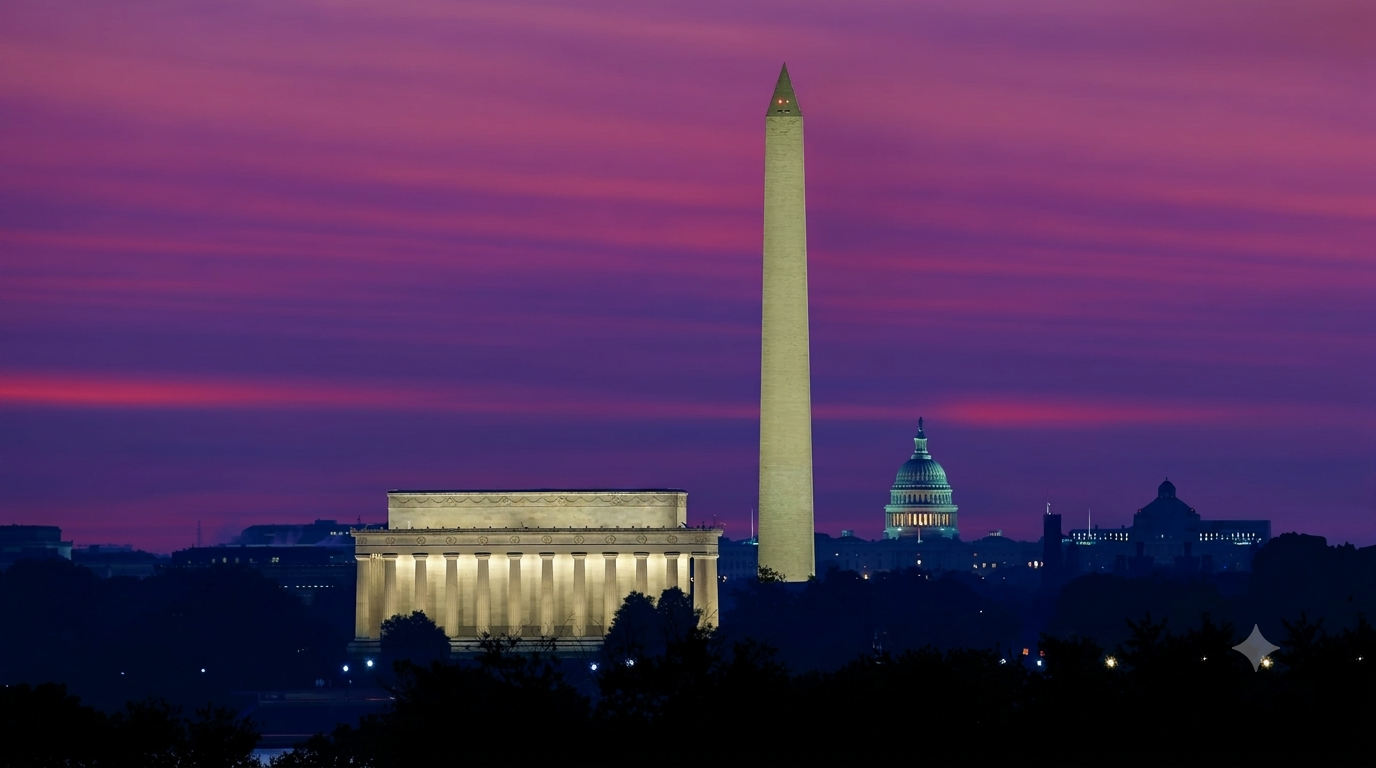
The National Mall is a large, open park area in the centre of the city, stretching from the United States Capitol to the Lincoln Memorial. It serves as the primary gathering place for civic events and is managed by the National Park Service. Visitors can walk along the Reflecting Pool or visit the Washington Monument, which stands prominently in the centre. The nearby Tidal Basin features the Jefferson Memorial, the Martin Luther King Jr. Memorial, and the Franklin Delano Roosevelt Memorial.
The memorials offer reflective spaces that honour significant figures and events in American history. The Vietnam Veterans Memorial and the Korean War Veterans Memorial are located near the Lincoln Memorial. Each site provides a distinct architectural perspective and specialized historical context. Exploring these outdoor sites is free to the public and accessible year-round, making it a cornerstone of any visit to the capital.
Delving into Museums and Educational Institutions
Washington, DC, is renowned for its concentration of world-class educational institutions, most notably the Smithsonian Institution. This complex consists of numerous distinct museums, galleries, and a national zoological park. Admission to all Smithsonian facilities is free, which encourages extensive exploration of topics ranging from natural history to space exploration. The National Museum of Natural History and the National Air and Space Museum are among the most visited institutions globally.
Beyond the Smithsonian, the city hosts other significant cultural repositories. The National Gallery of Art, located on the National Mall, houses an extensive collection of Western masterpieces. The United States Holocaust Memorial Museum offers a profound, sobering, and rigorously researched historical narrative. Additionally, independent institutions like the International Spy Museum provide specialized and interactive educational experiences.
Experiencing the Performing Arts and Culture
The cultural landscape of the capital extends well beyond its political and historical roots. The John F. Kennedy Center for the Performing Arts is a premier venue for theatre, ballet, and orchestral performances. It hosts the National Symphony Orchestra and presents international theatrical productions throughout the year. Free performances are often available on the Millennium Stage, making the arts accessible to a broader audience.
Smaller venues across the city support a vibrant local arts scene. The U Street Corridor, historically known as “Black Broadway,” remains a vital area for live music and cultural expression. Historic theatres, such as the Lincoln Theatre and Ford’s Theatre, continue to operate and offer a mix of contemporary and historical programming. The city also hosts numerous cultural festivals that celebrate the diverse heritage of its residents.
Navigating the Diverse Neighbourhoods
The true character of Washington, DC, is often found in its distinct, walkable neighbourhoods. Georgetown, one of the oldest areas in the city, features cobblestone streets and historic residential architecture. It is situated along the Potomac River and offers a mix of retail spaces and educational institutions. Dupont Circle serves as a cultural hub with its central park, independent bookstores, and historic embassies.
The Adams Morgan neighbourhood is recognized for its vibrant nightlife and diverse culinary offerings. It features an eclectic mix of independently owned shops, vinyl record stores, and community spaces. In the southeast quadrant, the Capitol Riverfront area has undergone significant redevelopment, offering modern amenities and access to the Anacostia River. Exploring these neighbourhoods provides a fascinating insight into the daily life of the city’s inhabitants.
Understanding the Local Dining Landscape
The dining scene in Washington, DC, is highly diverse, directly reflecting its international population. The city offers a wide range of culinary options, from upscale dining establishments to casual neighbourhood eateries. Many embassies host cultural events that influence the local food landscape, introducing authentic international cuisines to the area. Ethiopian, Salvadoran, and Vietnamese culinary traditions are particularly well-represented in the region.
Local markets also play a significant role in the city’s food culture and agricultural distribution. Eastern Market, located in the Capitol Hill neighbourhood, is the city’s oldest continuously operating public market. It provides fresh produce, baked goods, and artisanal products from local independent vendors. Additionally, the Union Market district offers a modern food hall experience with a variety of specialised food stalls and culinary concepts.
Accessing Public Transportation and Travel Experiences
Navigating Washington, DC, is facilitated by a comprehensive regional public transportation system. The Washington Metropolitan Area Transit Authority operates the Metrorail and Metrobus networks, which connect the city to surrounding suburbs. The Metrorail is an efficient way to travel between major tourist destinations and residential neighbourhoods. The system is known for its distinctive vaulted station architecture and color-coded transit lines.
For shorter distances, the city offers extensive infrastructure for active transportation. The Capital Bikeshare program provides access to thousands of bicycles across numerous automated docking stations. The city has also invested heavily in dedicated bike lanes, making cycling a viable and popular transit option. Walking remains one of the best and most practical ways to experience the dense central areas and historic districts.
Enjoying the Natural Spaces and Parks
Despite its urban density, Washington, DC contains significant green spaces and natural reserves. Rock Creek Park is a large urban park that bisects the city, offering miles of hiking and equestrian trails. It provides a forested retreat from the surrounding city infrastructure and traffic congestion. The park also includes a public nature centre, a planetarium, and various outdoor recreational facilities.
The United States National Arboretum is another major outdoor attraction, functioning as a living museum of botanical specimens. It features extensive gardens, including a notable bonsai collection and the historic National Capitol Columns. Along the waterfront, areas like the Yards Park and the Georgetown Waterfront Park offer scenic views of the rivers. These outdoor spaces are highly popular for recreation, exercise, and community gatherings.
Appreciating the Architectural Heritage
The core architecture of Washington, DC is characterised by its monumental scale and neoclassical design. The city was originally planned by Pierre Charles L’Enfant, who envisioned wide avenues and prominent civic structures. The United States Capitol building, with its iconic cast-iron dome, is a central focal point of this original urban plan. Federal buildings typically feature grand columns, marble facades, and symmetrical layouts intended to convey institutional stability.
Beyond the monumental core, the city features a wide variety of residential architectural styles. Rowhouses are a prominent feature in many historic neighbourhoods, often characterised by Victorian or Federal design elements. The city also contains numerous examples of Brutalist architecture, particularly in government buildings constructed during the mid-20th century. This diverse architectural landscape reflects the historical evolution of the capital over several centuries.
Considering Regional Excursions
The geographic location of Washington, DC allows for convenient access to surrounding historical and natural sites. The Mount Vernon estate, the historic home of George Washington, is located a short distance down the Potomac River in Virginia. It provides extensive insights into 18th-century plantation life and early American history. The nearby city of Alexandria offers a well-preserved historic district with cobblestone streets and colonial-era architecture.
For those interested in natural landscapes, the Great Falls Park is situated just outside the city limits. The park features striking, dramatic views of the Potomac River as it cascades over steep, jagged rocks. It offers numerous hiking trails and excellent opportunities for outdoor photography. These regional excursions provide valuable context to the broader history and geography of the mid-Atlantic region.
Planning Your Visit
When planning a visit to the capital, it is important to consider the seasonal variations in weather. Spring is a highly popular time due to the annual blooming of the cherry blossoms around the Tidal Basin. Summers can be hot and humid, while autumn offers mild temperatures and colourful foliage. Winters are generally moderate, though occasional snowstorms can occasionally impact travel and outdoor activities.
Many of the city’s primary attractions are free, but some require advance timed entry passes to safely manage crowd levels. Visitors should consult the official websites of institutions like the National Museum of African American History and Culture or the Washington Monument for current ticketing procedures. Utilising the city’s public transit system is highly recommended, as parking in the central areas is severely limited and expensive.