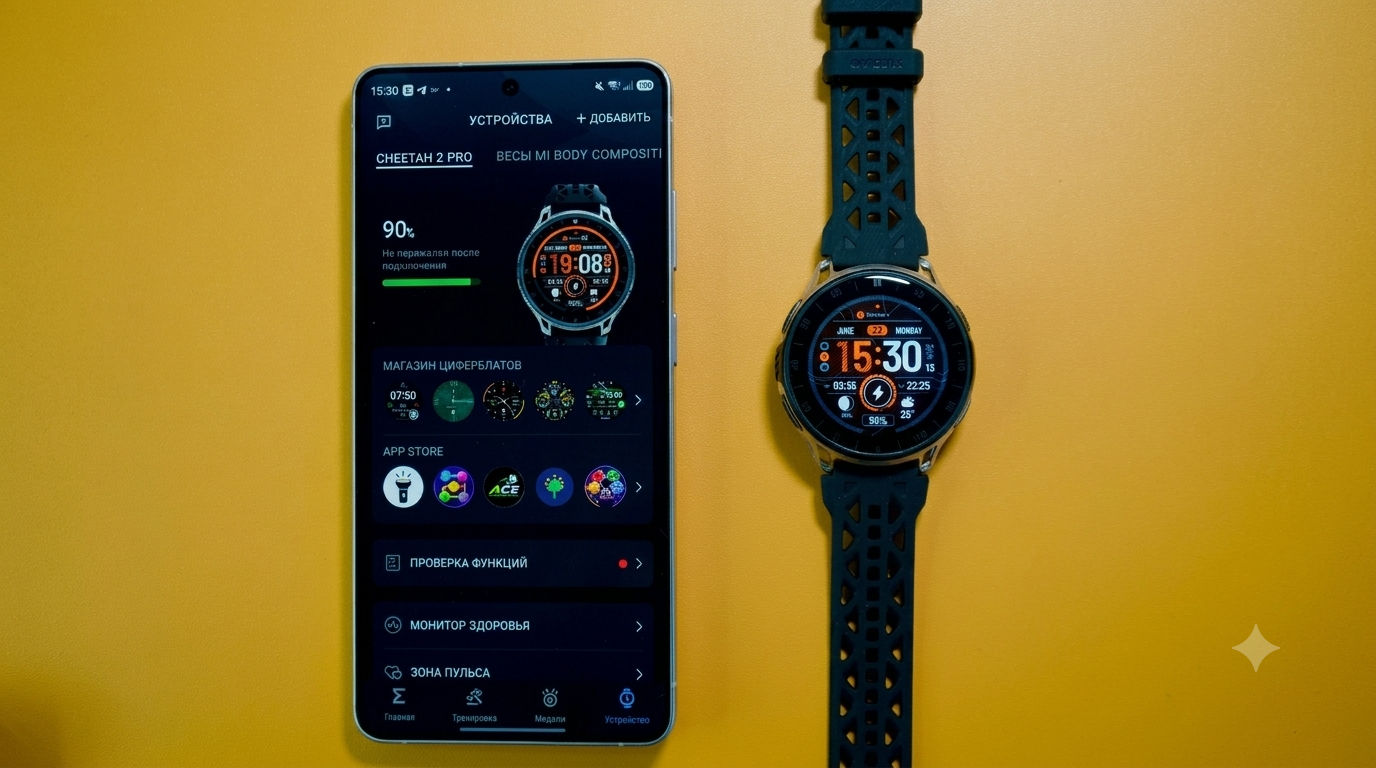
I wear an Oura Ring. I check my HRV every morning. I track my sleep stages, my resting heart rate, my readiness score. If you are reading this in 2026, there is a reasonable chance you do too, because the data obsession that used to be reserved for elite athletes and biohackers has gone completely mainstream.
And it is genuinely exciting. For the first time in human history, ordinary people have access to continuous, real-time physiological data that used to require a clinical setting and a medical team to collect. The global wearable technology market was valued at $92.90 billion in 2025 and is projected to reach $229.97 billion by 2033, growing at a compound annual growth rate of 12.1 percent, driven almost entirely by artificial intelligence and the expanding appetite for personalized health data (Grand View Research, 2026).
But here is what I want to talk about, because I think about it every morning when I check my ring data: your wearable is telling you a lot about your body but it is telling you very little about your brain.
That gap is closing fast and understanding where the technology is headed, and what you can do right now to support what the devices are only beginning to measure, may be the most important wellness conversation of 2026.
The Data Revolution That Is Already Here
The technology driving this shift is more sophisticated than most people realize. A landmark 2026 study published in npj Digital Medicine, led by researchers at the University of Geneva, followed 82 cognitively healthy adults over ten months using consumer-grade smartwatches and smartphones. By tracking factors such as heart rate, sleep, activity, and environmental conditions, AI-powered analysis was able to predict emotional and cognitive fluctuations, with air pollution, weather conditions, daily heart rate, and sleep variability emerging as the most informative factors for cognition. The devices were not just tracking fitness. They were mapping the conditions that shape how well your brain operates every single day (Matias et al., 2026).
A 2025 study in Nature Medicine confirmed that smartwatch and smartphone-based remote assessments can detect mild cognitive impairment, opening the door to passive, continuous monitoring of brain health outside of clinical settings (Butler et al., 2025). Samsung’s Brain Health feature, highlighted at CES 2026, analyzes data from Galaxy wearables and phones to flag potential indicators of cognitive decline through gait analysis, voice patterns, and sleep behavior, prioritizing prevention and early detection over diagnosis (Healthcare Readers, 2026).
Devices like the Muse S Athena EEG headband are already providing real-time neurofeedback during meditation and sleep, capturing alpha, beta, theta, and delta brainwave activity that correlates withfocus, relaxation, and cognitive performance. And WHOOP, which raised $575 million at a $10.1 billion valuation in March 2026 with investment from Abbott and Mayo Clinic, is explicitly expanding its platform toward AI-powered predictive health models that move beyond performance tracking toward brain health monitoring (NeuroFounders, 2026).
The trajectory is clear. The technology that currently tells you how well you slept is rapidly becoming technology that tells you how well your brain is functioning and whether it is starting to show early signs of change.
What Your Wearable Is Tracking That Affects Your Brain
Even the devices most people are wearing today, Oura, WHOOP, Apple Watch, Garmin, are already capturing data streams that have direct implications for cognitive health. They just do not always frame it that way.
Heart rate variability is one of the most powerful examples. A 2019 review published in Frontiers in Physiologyconfirmed that nocturnal HRV correlates significantly with sleep quality, cognitive performance, and physical recovery. When your wearable tells you your HRV dropped last night, it is not just telling you to skip the gym, it is telling you that your brain’s capacity for sustained focus, emotional regulation, and executive function may be compromised today.
Sleep stage tracking is another direct window into brain health. Deep sleep, also called slow wave sleep, is when the brain’s glymphatic system is most active, clearing the metabolic waste including amyloid beta proteins associated with Alzheimer’s disease. REM sleep is when memory consolidation and emotional processing occur. When your Oura Ring shows you that your deep sleep was fragmented or insufficient, it is reporting on the brain’s nightly maintenance schedule. A 2025 study using wearable and mobile sensor data found that sleep metrics including nighttime heart rate, sleep latency, sleep timing, sleep restfulness, and overall sleep quantity were associated with cognitive performance measures in a longitudinal field setting.
Stress scoring, readiness metrics, and activity tracking all feed into the same picture. Chronic elevated stress, measured through elevated resting heart rate and compressed HRV, drives cortisol dysregulation that directly impairs hippocampal function, memory encoding, and the brain’s ability to form new neural connections.
The wearable data you are already collecting is a map of the conditions your brain is operating in. The question is whether you are optimizing those conditions, not just observing them.
The Layer the Device Cannot Capture: Biological Optimization
Here is the insight that three years of building my company and one year of Wharton finance courses have both reinforced in different ways: measurement without optimization is just data collection.
Your Oura Ring can tell you that your sleep was poor and your HRV is low. It cannot tell you whether your gut microbiome is producing the serotonin your brain needs to regulate mood and focus. It cannot tell you whether your neuronal membrane integrity is strong enough to sustain cognitive performance under the demands of your day. It cannot tell you whether your mitochondria have the CoQ10 they need to power the brain cells that every focus session, every strategic decision, and every creative insight depends on.
The gut-brain axis, the bidirectional communication highway between the microbiome and the brain via the vagus nerve, is one of the most significant findings in contemporary neuroscience. Roughly 90 percent of the body’s serotonin is produced in the gut, not the brain. A 2026 study published in Nature, led by researchers at Stanford and funded by the NIH, found that age-related changes in the gut microbiome directly disrupt signaling via the vagus nerve, reducing hippocampal activity and contributing to measurable cognitive decline (Thaiss et al., 2026). Your wearable cannot see this. Your gut health supplement can address it.
L-Glutamine at 1,000mg directly supports gut lining integrity, protecting the gut barrier that prevents inflammatory signals from traveling to the brain. Inulin from Agave at 1,000mg feeds the beneficial microbiome bacteria responsible for producing the neurotransmitters that regulate mood, mental clarity, and cognitive function. Together they address the gut-brain foundation that determines how well every other brain health intervention, including every metric your wearable tracks, actually performs.
Cognizin Citicoline at 200mg, one of the most clinically researched nootropics available, supports neuronal membrane integrity and brain energy metabolism, the cellular infrastructure your brain needs to respond to the cognitive demands your wearable is tracking. L-Theanine at 200mg promotes the alpha brainwave state that your EEG wearable might eventually measure in real time. Coenzyme Q10, Nano-Emulsified at 100mg fuels the mitochondria that power the brain cells behind every data point your ring collects.
L-Tyrosine at 500mg supports the dopamine and norepinephrine production that drives the sustained focus and cognitive resilience that show up as high readiness and strong HRV on your dashboard. Taurine at 500mg provides the cellular neuroprotection that keeps those neurons performing at their best across years of demanding cognitive output. Natural Caffeine from Green Tea at 50mg delivers the clean, sustained alertness that complements rather than disrupts the recovery metrics your device is monitoring.
Tech Plus Biology: The Complete Picture
Brain health tracking is the top wellness trend of 2026. Roughly 40 percent of Americans suspect they have an undiagnosed brain health condition. Only 25 percent have sought any kind of functional solution. That gap between concern and action is exactly where both the best technology and the best daily nutritional support matter most.
Sleep data without gut-brain support is incomplete. HRV tracking without mitochondrial fuel is incomplete. Readiness scores without nootropic support are incomplete. The most sophisticated approach to brain health in 2026 is not choosing between technology and nutrition. It is using both together, every single day, as a complete system for cognitive longevity and peak performance.
Your device is watching. Make sure what it is watching has something worth measuring.
SEO Keywords: brain health, wearable technology brain health, cognitive performance, cognitive decline, nootropics, gut-brain axis, mental clarity, brain health supplement, cognitive health monitoring, HRV brain health, sleep tracking cognitive performance, brain health tracking 2026, nootropic supplement, cognitive longevity, brain fog, neuroplasticity, gut health brain, focus supplement, mental performance, brain health wearables
Works Cited
Butler, P. M., et al. “Smartwatch- and Smartphone-Based Remote Assessment of Brain Health and Detection of Mild Cognitive Impairment.” Nature Medicine, vol. 31, 2025, pp. 829-839. doi:10.1038/s41591-025-03457-5.
Grand View Research. “Wearable Technology Market Size, Share and Trends Analysis Report.” Grand View Research, 2026. www.grandviewresearch.com/industry-analysis/wearable-technology-market.
Healthcare Readers. “Brain Health Tracking: The 2026 Wellness Revolution.” Healthcare Readers, 16 May 2026. healthcarereaders.com/insights/brain-health-tracking-2.
Matias, I., et al. “Digital Biomarkers for Brain Health: Passive and Continuous Assessment from Wearable Sensors.” npj Digital Medicine, vol. 9, no. 1, 14 Jan. 2026. doi:10.1038/s41746-026-02340-y.
Neurable. “State of Cognitive Wearables 2026.” Neurable, 28 Apr. 2026. www.neurable.com/blog-posts/the-cognitive-wearables-market-has-arrived-heres-what-oems-need-to-know.
NeuroFounders. “Why WHOOP and Oura Aren’t Going EEG Yet.” NeuroFounders, 2026. www.neurofounders.co/articles/when-will-whoop-and-oura-start-tracking-the-brain.
PennState Hershey Medical Center. “Heart Rate Variability and Cognitive Performance.” Cited in “Whoop vs Oura (2026): I Wear Both, Here’s My Honest Comparison.” Heal Nourish Grow, June 2026. healnourishgrow.com/whoop-vs-oura.
Simon Fraser University Institute for Neuroscience. “Complexity and Resilience: How Wearable Technology Could Transform Brain Health Monitoring.” SFU INN, 23 Apr. 2026. www.sfu.ca/neuro-institute/research/brain-resilience/wearable-tech.html.
Thaiss, Christoph A., et al. “Intestinal Interoceptive Dysfunction Drives Age-Associated Cognitive Decline.” Nature, 11 Mar. 2026. doi:10.1038/s41586-026-10191-6.
The Business Research Company. Brain Health Devices Global Market Report 2026. The Business Research Company, Feb. 2026. www.giiresearch.com/report/tbrc1942482-brain-health-devices-global-market-report.html.
Toward Healthcare. “Digital Brain Health Market Surges in 2025 with Wearables.” Toward Healthcare, 21 Apr. 2026. www.towardshealthcare.com/insights/digital-brain-health-market-sizing.
360iResearch. Wearable Brain Devices Market Size and Share 2026-2032. 360iResearch, 14 June 2026. www.360iresearch.com/library/intelligence/wearable-brain-devices.