Indonesian culture has been one of the world’s great discoveries waiting to happen in London.
A country of extraordinary diversity, creativity and heritage, Indonesia has so much to offer, yet its food, fashion and cultural identity have arguably remained less visible in Britain than those of some of its Asian neighbours.
That is rapidly changing in London, with a huge new appetite and curiosity around Indonesian cuisine to the increasing visibility of Southeast Asian creativity, design and lifestyle.
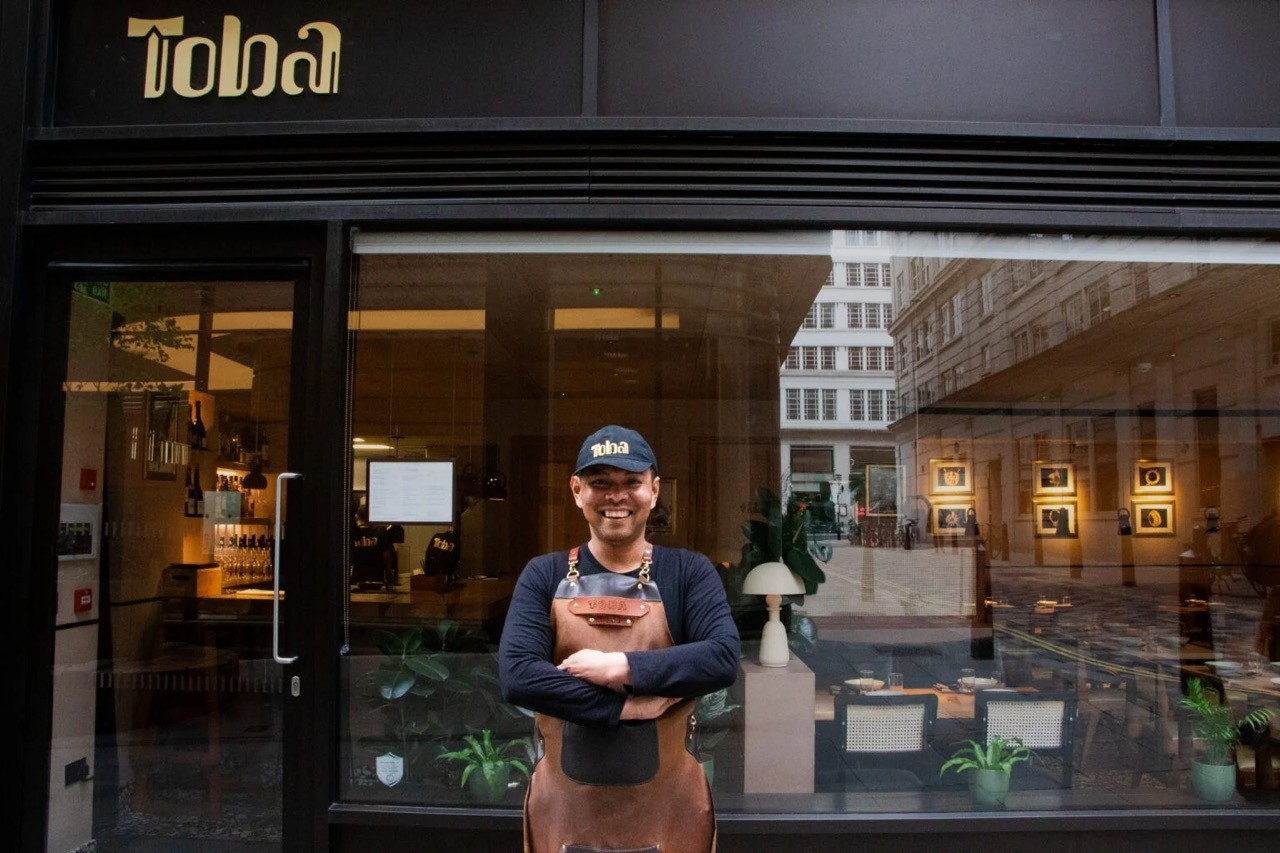
As the founder of Toba, an Indonesian restaurant in the heart of the capital, I see this curiosity first-hand. More people are coming through our doors not simply because they want to try something new, but because they want to understand the story behind the food.
For me, this moment is more than a culinary trend. It reflects a broader shift in how London discovers, celebrates and engages with cultures from around the world.
Food is the gateway to culture
Food has always been one of the most powerful ways to introduce people to a country. It is immediate, personal and universal. You do not need to understand a language or know a country’s history to appreciate a beautifully prepared dish.
But Indonesian food offers something particularly special: extraordinary diversity.
Indonesia is an archipelago of thousands of islands, with regional cuisines shaped by geography, local ingredients, trade, migration and centuries of cultural exchange. There is no single flavour or cooking style that defines the country. Instead, there is an incredible range of traditions, from the rich coconut-based dishes of Sumatra to the fragrant spices, grilled meats, fresh herbs and complex sambals found across the archipelago.
Yet, for many British diners, Indonesian cuisine has historically been understood through a relatively narrow selection of familiar dishes, such as satay and nasi goreng.
These are wonderful dishes, but they represent only a fraction of what Indonesian cooking has to offer.
At Toba, my ambition has always been to open that door wider. We serve dishes that introduce people to the breadth of Indonesian cuisine, including beef rendang, sate ayam and ikan arsik, a Batak-style fish dish inspired by the food of my homeland and a recipe close to my heart because of my late mother.
That connection matters. Authentic food is not simply about using the right spices or following a traditional recipe. It is about memory, identity and the people who taught us how to cook.
When a guest tries a dish they have never encountered before and wants to know where it comes from, that is when a meal becomes a cultural exchange.
London’s appetite for discovery is changing
London has always been a city that embraces international food, but diners are becoming increasingly interested in looking beyond the familiar.
There is a growing appreciation for regional specialities, independent restaurants and the people behind them. Customers want to know where a dish comes from, why it is prepared in a particular way and what makes it meaningful to the community that created it.
Social media has accelerated this curiosity, giving independent chefs, food entrepreneurs and cultural storytellers a platform to reach audiences they might never previously have accessed. A beautifully presented plate can capture someone’s attention, but the story behind it can persuade them to book a table.
The challenge for Indonesian cuisine is to turn that initial curiosity into lasting recognition.
At Toba, our journey began with Pino’s Warung, my Indonesian street-food stall in Camden Market. It allowed me to share the flavours I grew up with in a setting that felt approachable and informal.
Opening Toba in 2023 was the next step: bringing those flavours into a restaurant environment in central London while remaining faithful to the traditions that inspired them.
Fashion and design have a role to play
The growing interest in Indonesian food sits within a much wider cultural picture.
Indonesia has a rich design heritage, from the intricate artistry of batik textiles to contemporary fashion, jewellery, furniture and architecture. Traditional techniques and materials offer an extraordinary foundation for modern creative expression.
Batik, for example, is not simply a pattern. It represents craftsmanship, regional identity and generations of accumulated knowledge. Contemporary Indonesian designers have the opportunity to reinterpret these traditions in ways that feel relevant to international audiences without losing their meaning.
London is a natural place for these conversations to happen. It is a global centre for fashion, design and the creative industries, with audiences that are often receptive to new perspectives and independent voices. Indonesian designers have already participated in initiatives bringing their work to London, demonstrating that there is a foundation on which greater recognition can be built.
The opportunity now is to create more sustained engagement.
That means moving beyond occasional showcases or cultural events and creating meaningful opportunities for Indonesian designers, makers and creative businesses to collaborate with British retailers, institutions and audiences.
The most exciting cultural exchange is not one in which tradition is frozen in time. It is one in which heritage inspires new ideas.
Culture is more than a trend
Food and fashion are often the most visible expressions of a country’s identity, but they are only part of the picture.
Indonesian music, art, film, literature, craft and hospitality all have stories to tell. From the communal traditions that shape how people eat to the regional influences that inform Indonesian artistic expression, there is a depth to the culture that cannot be captured by a single dish, garment or design aesthetic.
London’s multicultural character provides fertile ground for these stories. Its audiences are accustomed to encountering different cultures, but there is a difference between recognising a country’s name and genuinely understanding its people.
The responsibility lies with those of us who represent Indonesia abroad to make that understanding possible.
For me, that means creating experiences that feel welcoming without compromising on authenticity. It means explaining unfamiliar dishes rather than assuming everybody already knows them. It means celebrating the diversity of Indonesia rather than presenting it as one uniform culture.
It also means being careful not to reduce a country’s heritage to a marketing device. Cultural interest can create commercial opportunities, but those opportunities should benefit the communities, producers and creatives whose knowledge and traditions make the culture distinctive in the first place.
The next chapter belongs to those who tell the story
I am excited about the future of Indonesian culture in London, but I do not believe its success should be measured solely by the number of Indonesian restaurants opening or the amount of attention generated on social media.
The real measure will be whether Indonesian food becomes a recognised part of London’s dining landscape, whether Indonesian designers gain lasting opportunities in the British market, and whether audiences develop a deeper appreciation of the country’s cultural diversity.
That requires investment, collaboration and consistency. Restaurants must continue to introduce people to regional dishes. Fashion businesses need access to new markets. Cultural organisations and media platforms can help connect Indonesian talent with audiences who may not yet know where to look.
Most importantly, we need to keep telling our stories.
When I opened Toba, I wanted to share the food I grew up with and honour the memories and traditions that shaped me. I did not want Indonesian cuisine to remain something people had heard about but rarely experienced. I wanted people to sit down, share dishes, ask questions and discover something for themselves.
That remains my ambition today.
Indonesia does not need to reinvent itself to appeal to London. Its richness is already there, in its food, craftsmanship, creativity and people. What we needed was the opportunity to bring those things into the spotlight and the confidence to present them on their own terms.
That time has come, and Indonesian food and culture is now experiencing a huge surge in popularity in London.