
There’s been a quiet shift in how people take breaks in the UK. Hotels are still common, and Airbnb is still used, but more people are leaning towards holiday homes. It’s less about following a trend and more about cost, space, and how people actually want to spend their time away.
At the same time, UK hotel prices have crept up. In some places, a short stay now feels expensive compared with going abroad. That’s changing how people think about value, especially for longer weekends or family breaks.
What a UK break looks like now
Short breaks used to be simple. A hotel for a couple of nights, maybe a guesthouse by the coast, or an Airbnb booked last minute. That still happens, but it’s not the default anymore.
People are planning differently. Instead of lots of quick trips, many are choosing fewer breaks but staying longer when they do go. That naturally suits holiday homes more than hotels. Once you’re staying three, four, or seven nights, space starts to matter more than location or hotel extras.
Things like a kitchen, parking, and somewhere to sit outside have become part of the decision. Not because they sound nice on paper, but because they make the stay easier.
Hotels and the cost issue
Hotel prices in the UK are one of the main reasons people are changing habits.
In popular towns and coastal areas, mid-range rooms can be surprisingly expensive. Add parking, breakfast, or late checkout and the total goes up quickly. In some cases, people end up paying more for a short UK stay than they would for a full week abroad.
That comparison has become more common. It changes how people judge whether a hotel is worth it. A small room for two nights doesn’t feel the same when the cost is close to a longer overseas break.
Holiday homes shift that balance. The upfront price can look higher, but when it’s split over more nights and more people, it usually works out better value.
Airbnb is not quite the same draw anymore
Airbnb changed travel habits when it first grew in popularity. It gave people more choice and more flexibility, especially in cities and tourist areas.
That said, it’s not quite seen in the same way now. Prices in busy areas have risen, and extra fees like cleaning charges have made stays less predictable. What used to feel like a cheaper alternative now often sits close to hotel pricing.
There’s also the consistency factor. With holiday homes or park lodges, what you book is usually what you get. With Airbnb, it can vary a lot depending on the property and host.
Why holiday homes fit how people travel now
Holiday homes work for a simple reason. They feel more like living somewhere temporarily rather than staying in a hotel.
That changes how people use the time.
Common reasons people prefer them include:
- More space to relax
- Ability to cook meals in
- Private parking
- Less crowded surroundings
- A more settled base
For UK travel in particular, that matters. Journeys are shorter, but the weather can be unpredictable and plans often change. Having your own space makes things easier to manage.
It also changes the pace of the trip. People tend to slow down when they’re not working around hotel timings or eating out for every meal.
Where holiday parks sit in all of this
Holiday parks sit in a slightly different space to hotels and short-term rentals. Instead of booking a stay each time, many people choose to own a holiday home and return to the same base whenever they like.
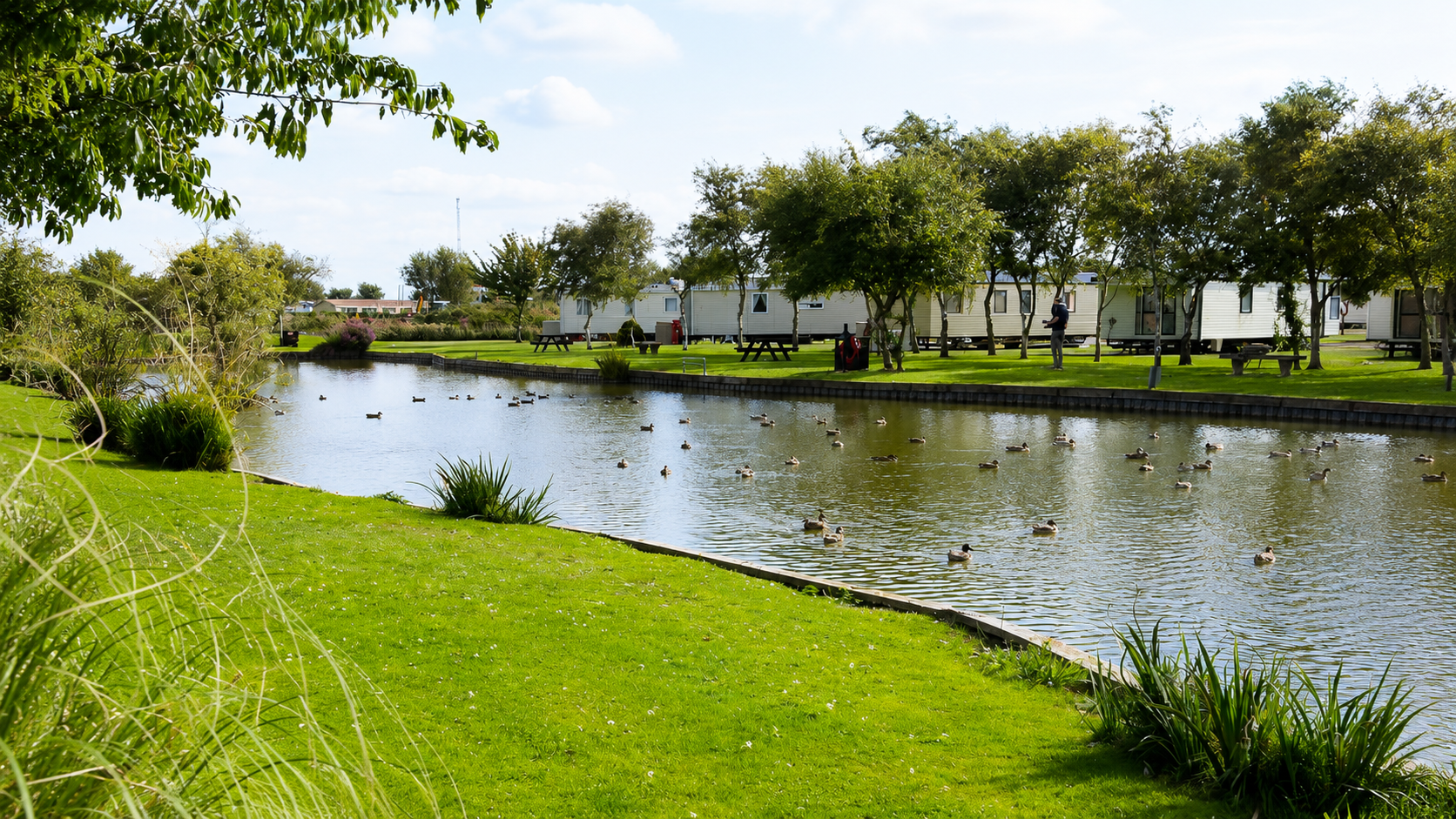
At Don Amott Parks, particularly their flagship Lakeside Park, the focus is on ownership rather than renting. The idea is that people have their own holiday home in a set location, ready to use whenever they want to get away, without having to book accommodation each time.
That changes how people use their breaks. It becomes less about planning individual trips and more about having a familiar place to return to. Over time, it builds a pattern of repeat visits, often for shorter, more frequent stays.
It’s less about hotel style services and more about having a personal space that is always there when needed.
Hotels still matter, but for different reasons
Hotels are not disappearing from the picture. They still make sense for short city breaks, one-night stays, and business trips where convenience matters more than space.
What has changed is their role in leisure travel. People are less likely to default to hotels for longer UK breaks, especially when the cost feels high for what you get.
There’s also been a shift in flexibility. With more people able to take time off mid-week, stays are not tied as tightly to weekends anymore. That suits holiday homes more than fixed night pricing.
How people are thinking about value
The biggest change is not just price. It’s how people judge value.
A hotel is often judged on location and service. A holiday home is judged on space, freedom, and how easy the stay feels.
For families or groups, that difference is noticeable. Even if a holiday home costs more upfront, it often feels like better value once you factor in what you get from it.
What this means going forward
UK breaks are becoming less rushed and more spread out. People are choosing fewer trips but staying longer when they do go away.
Holiday homes fit that pattern. They sit between renting and traditional hospitality, which makes them easier to adapt to changing habits.
That’s where operators like Don Amott come in, focusing on places people can return to and use again rather than one off stays.
Final thought
Holiday homes are not replacing hotels or Airbnb, but they are becoming a more serious option. The combination of space, cost spread, and flexibility is hard to ignore.
As prices continue to rise and travel habits shift, more people are likely to choose a base they can return to, rather than booking something new each time.