This year marks the milestone 75th anniversary of Japan’s membership in UNESCO. Over the decades, Japan has shown an unwavering commitment to safeguarding its natural landscapes and historical treasures, aligning with global sustainable tourism initiatives. In an exciting continuation of this legacy, the Asuka-Fujiwara ancient capitals are officially expected to be inscribed on the UNESCO World Heritage List, positioning the area to become Japan’s 22nd UNESCO World Cultural Heritage site.
2026 is set to bring a wealth of further UNESCO anniversaries in Japan as well as new openings and reopenings, bringing new cultural highlights to this milestone year to visit.
Milestone Anniversaries in 2026
Amami-Oshima & Tokunoshima Islands (5 Years): July 26, 2026, marks the 5th anniversary of the UNESCO registration of Amami-Oshima Island, Tokunoshima Island, the northern part of Okinawa Island, and Iriomote Island. Celebrated for their dense subtropical rainforests and high biodiversity, these islands serve as critical habitats for rare endemic species such as the Amami Rabbit, Iriomote Cat, and Okinawa Rail.
Hiroshima Peace Memorial / Genbaku Dome (30 Years): Registered on the UNESCO World Heritage List in December 1996, 2026 marks 30 years of the Hiroshima Peace Memorial (Genbaku Dome) standing as a universal symbol of world peace, enduring human resilience, and a structural preservation of hope. Standing close to the hypocentre of the world’s first atomic bombing on August 6, 1945, the former Hiroshima Prefectural Industrial Promotion Hall was miraculously left partially intact. Rather than clearing the ruins, the citizens of Hiroshima fought to preserve the structure as a permanent monument, giving rise to decades of community-driven conservation that ensured the building’s tragic history was never forgotten. Recognised globally for its exceptional significance under UNESCO’s cultural criteria, the dome stands as an unyielding pledge toward nuclear disarmament, global reconciliation, and the eternal pursuit of lasting peace. As it reaches three decades on the World Heritage List, the site continues to inspire millions of visitors each year to honour the memory of those lost and actively build a more harmonious world.[RC1]
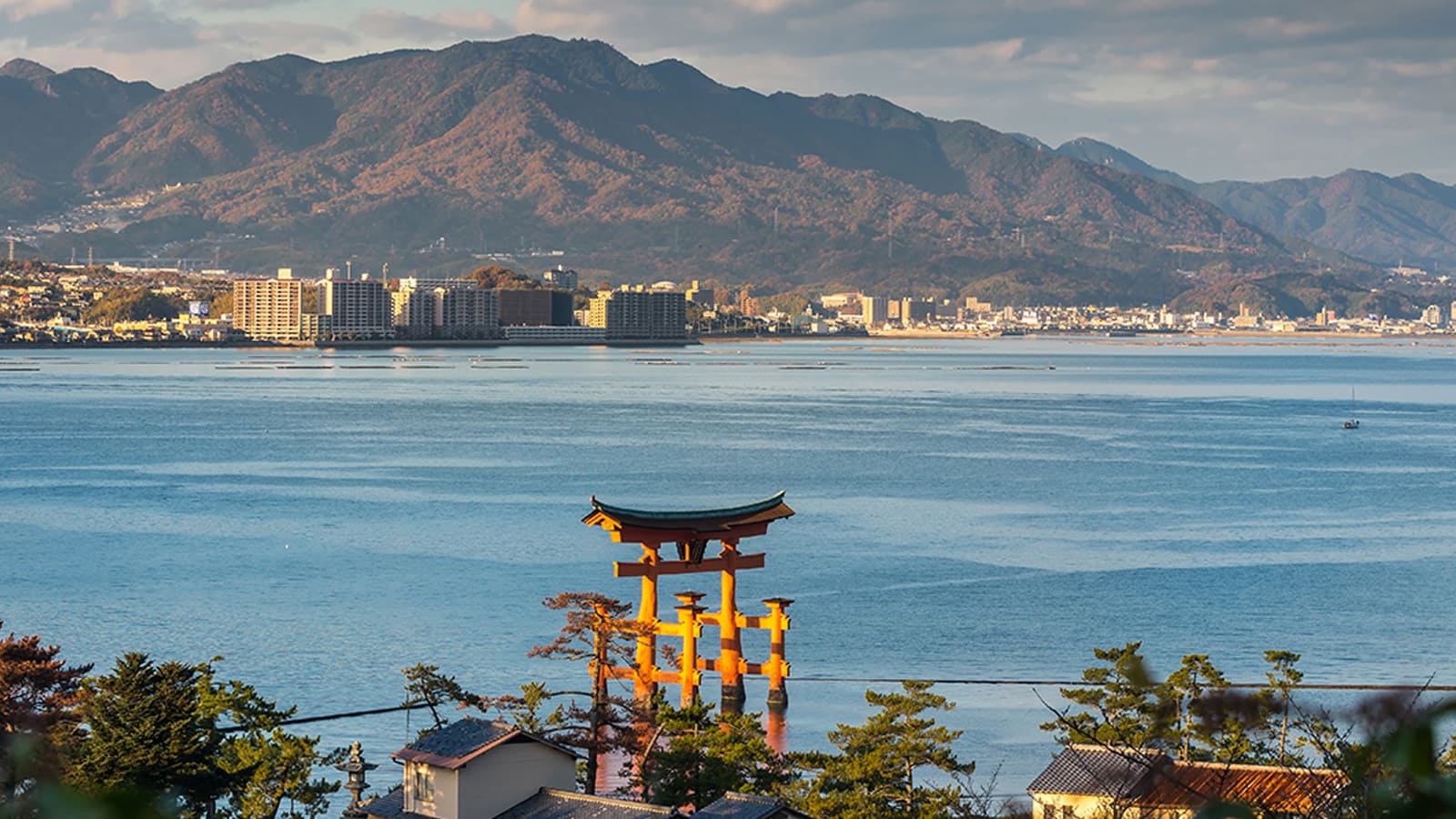
Itsukushima Shinto Shrine (30 Years): December 6, 2026, also marks the 30th UNESCO registry anniversary of the iconic Itsukushima Shinto Shrine on Miyajima island. Famous for its majestic ‘floating’ torii gate that rises dramatically from the tide, this masterpiece of Shinden-zukuri architecture seamlessly blends human creativity with the surrounding natural seascape. Preserved across generations, Miyajima remains a deeply sacred place continuously shaped by the forces of nature, a rich cultural history, and the dedicated people who lovingly care for it.
The Grand Reopening of Shuri Castle
Following a fire in 2019, the historic Shuri Castle is officially scheduled to celebrate its full completion and reopen its restored Seiden (Main Hall), located within the grounds of UNESCO World Heritage Property, on November 23, 2026 after years of restoration. This milestone represents a monumental achievement in traditional craftsmanship, resilient architectural restoration, and community-driven heritage recovery.
Shuri Castle grounds contain elements of the Gusuku Sites and Related Properties of the Kingdom of Ryukyu, a unique collection of nine heritage properties spread across Okinawa. These vibrant painted castle ruins, imposing fortress walls, royal tombs, and sacred places reflect around 500 years of Ryukyuan history. Together, these remarkably preserved monuments reflect around 500 years of Ryukyuan history during an era when the island kingdom flourished as a vital maritime trade hub. Deeply influenced by generations of economic, diplomatic, and artistic exchanges with China, Japan, and various Southeast Asian nations, the Gusuku sites stand as an enduring testament to a distinct cultural synthesis and an architectural tradition built in harmony with Okinawa’s natural landscape.
The Pillars of Japan’s UNESCO Legacy
Japan’s journey with UNESCO began with its first listed properties in 1993: Himeji Castle in Hyogo Prefecture, a brilliant monument of samurai-era defensive architecture, and the Buddhist Buildings in the Horyuji Temple area in Nara Prefecture, which stand as the world’s oldest surviving wooden structures. Together, these sites form the foundation of Japan’s commitment to cultural preservation and sustainable exploration. Further sites of note include:
Sado Island Gold Mines: During Japan’s period of isolation in the Edo era, miners here hand-carved massive underground tunnel networks and split a mountain peak in two using only manual tools and traditional metallurgy, creating a gold-producing powerhouse for the Shogunate without relying on Western industrial machinery.
Shiretoko National Park, Hokkaido: Located on Hokkaido’s remote northeastern peninsula, this pristine wilderness relies on winter sea ice drifting down from Russia to deliver vital marine nutrients that spark a massive seasonal food web, seamlessly linking ocean life with one of the world’s highest concentrations of brown bears.
Hidden Christian Sites, Nagasaki: Across two centuries of strict feudal bans and persecution, these isolated island communities secretly preserved their faith by clever camouflage-disguising statues of the Virgin Mary as the Buddhist goddess Kannon and chanting Latin prayers under the guise of Buddhist sutras.
[RC1]Requirements are max 4 sentences per paragraph, when this is 5.