
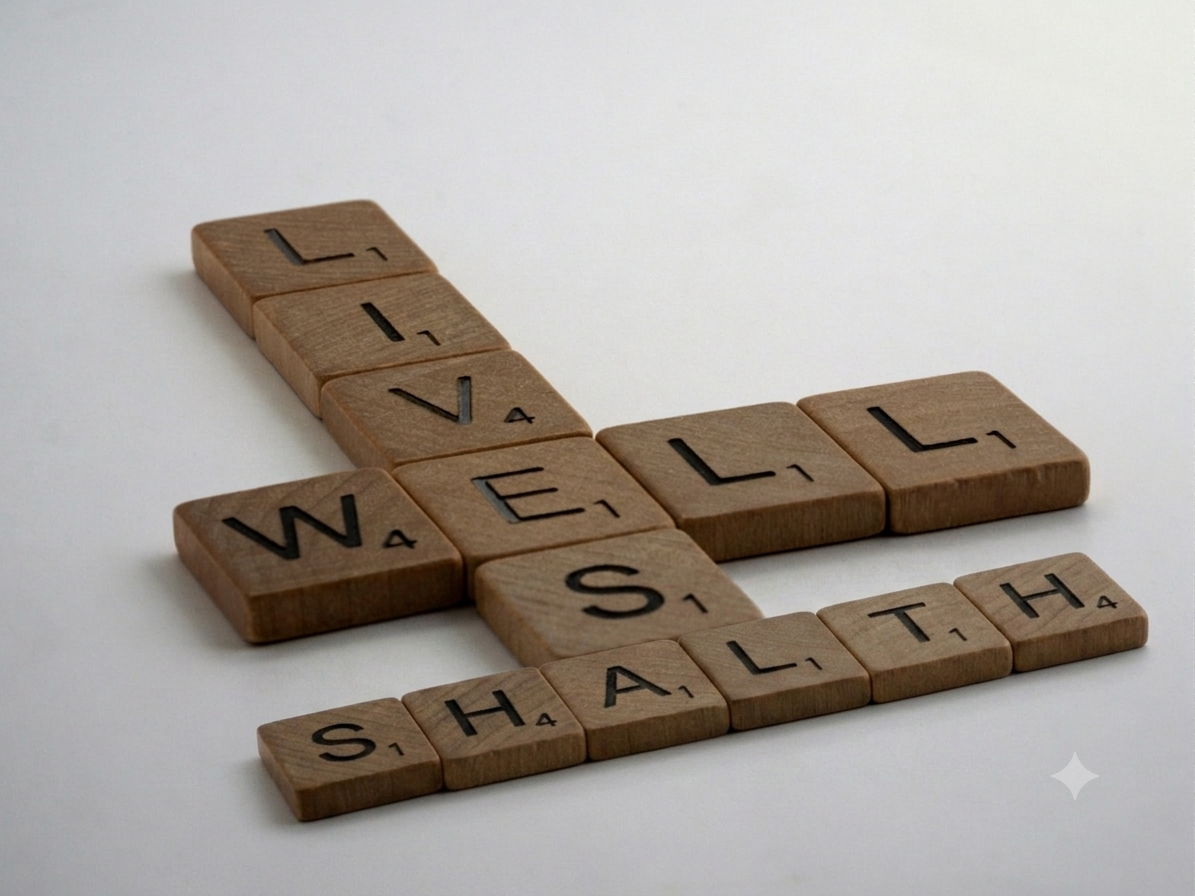
The wellness industry has become increasingly focused on helping us live longer. We track our sleep, count our steps, optimise our diets and search for the next habit that might add another healthy year to our lives. There’s nothing wrong with that, but losing my brother Robin to cancer at the age of 24 taught me that the more important question isn’t simply how long we live, it’s how we choose to live in the time we’ve got.
Rob died in 2011 from testicular cancer after delaying seeking medical advice because, like many young men, he believed he was too young for the disease. He was funny, ambitious and full of life, and he carried the same sense of invincibility that many people have in their twenties. By the time he received his diagnosis, the cancer had already spread.
Before Rob died, I promised him that he would never become simply a photograph on the wall and that, if there was any way of preventing another family from experiencing the same loss, I would do everything I could to help.
At the time, I believed this promise was about keeping Rob’s memory alive. Looking back, I can see that it also changed the way I think about time, relationships and what it means to live well.
Before Rob died, I don’t think I’d ever really questioned whether I was living intentionally. Like most people, I assumed there would always be more time.
When time suddenly feels different
The death of somebody close changes your relationship with time. The things we assume will always be there suddenly feel much more fragile, and the idea that there will always be another birthday, another family gathering or another opportunity to say the things we mean becomes much less certain.
Many of us live as though tomorrow is guaranteed. We postpone holidays, delay difficult conversations and tell ourselves that we will make more time for the people we love once work becomes less busy or life feels more manageable.
For years, I measured productive days by how much I got done – nowadays, I measure them very differently. Some of the best days aren’t the busiest ones – they’re the ones where I’ve been fully present, whether that’s with my family, out in nature, building something meaningful, or having conversations that actually matter.
Losing Rob forced me to ask questions that I had never really considered before. What matters most? What kind of life do I want to live? What impact do I want to have on the world and those around me? These are not comfortable questions, although they often bring a surprising amount of clarity.
What we measure and what matters
Modern discussions about wellbeing often focus on physical health, productivity and optimisation. We count our steps, monitor our sleep and search for routines that promise better health and greater energy.
These things are valuable, although they can sometimes distract us from the parts of life that are much harder to measure. Relationships, friendships, laughter, purpose and connection rarely appear on health trackers, yet they often determine how fulfilled we feel.
I’ve come to realise that some of the most important parts of a good life can’t be measured at all. They aren’t found in data, routines or productivity. They’re found in the people around us, the difference we make and the memories we create.
Finding purpose after loss
Grief does not follow a timetable, and it does not become easier simply because time passes. Some days feel manageable, while others can bring memories and emotions that seem as strong as they were years earlier.
For me, purpose became an important part of navigating that grief. Having something positive to focus on did not remove the pain of losing my brother, although it helped me find direction during a period when life felt uncertain.
I don’t think purpose removes grief, nothing can, but I’ve found it gives grief somewhere to go. Every conversation we start, every person who decides to get checked, and every family who might avoid what ours went through remind me why that promise still matters – it represents another way in which Rob’s life continues to make a difference.
People sometimes assume that spending my life talking about cancer must make me pessimistic. The opposite is true. It’s made me appreciate ordinary life far more than I ever did before. When you spend enough time with people who’ve run out of tomorrows, you stop taking today for granted.
The value of ordinary moments
One of the most important things grief changes is what you remember. I cannot remember what I was doing at work six months before Rob died, although I remember sitting beside his hospital bed and wondering how somebody so young could become so seriously ill. I remember conversations with family, the small moments that suddenly became important and the overwhelming realisation that life could change far more quickly than any of us had imagined.
Looking back, I don’t remember deadlines or to-do lists, I remember people. Family dinners, shared jokes, long walks and conversations that seemed completely ordinary at the time have become some of the memories I treasure most.
It reminds me that the moments we often rush through today are usually the ones we’ll value most tomorrow.
Living a life that matters
If losing Rob taught me anything, it’s this: look after your health, make time for the people you love, tell people what they mean to you, be grateful for the little moments, and stop putting off the things that really matter. None of us knows how much time we’ve got, we only get to choose what we do with today.
Recognising that our time is limited is not intended to create fear. Instead, it encourages gratitude and reminds us to pay attention to the lives we are already living.
Rob lived for only twenty-four years, yet his influence continues to shape conversations and encourage people to think differently about their health and their lives. His legacy reminds me that a meaningful life is not measured simply by its length, but by the impact we have on other people and the relationships we build along the way.
Nearly 15 years after losing my brother, the promise I made to him continues to guide me. It reminds me that wellbeing isn’t simply about extending our lives or pursuing perfect health. It’s about being intentional with the time we already have, creating a life we’re proud of and being fully present in the moments that matter.
ENDS
Toby Freeman is a passionate cancer advocate, podcast host, and Founder & CEO of The Robin Cancer Trust, set up in memory of his brother, who died from late-stage testicular cancer at just 24. Since then, he’s made it his mission to save lives by raising awareness, starting conversations, and breaking down the stigma around men’s health.