“One of my patients sent me photographs from her holiday in Thailand. She’d been there just two days and had already burned her skin so badly it was blistering”
Tanning trends and social media
Skin experts are concerned that social media influencers peddling ill-conceived ideas will outflank professional advice and skin health facts.
Gen Z social media feeds, particularly TikTok, include a plethora of videos sharing the best tanning routines to achieve ultimate, bronzed skin. Tan lines frequently trend, and there are a worrying number of high-profile tutorials on ‘home-made’ sunscreen.
So, despite decades of education about the risks of over-exposure to UV rays, aesthetics professionals in the UK and Italy are reporting a worrying trend of young people jeopardising their skin – and potentially their lives – all for the sake of a deep tan. Yet, the polar opposite is true in South Korea, where SPF is considered a vital element of skincare regimes.
Two practitioners with first-hand understanding of skincare attitudes in each country share their perspectives: Italy-based aesthetics specialist Dr Carlo Borriello and Lauren Aristotelous, Aesthetics Director of the Hestia clinic in Bury St Edmunds, which offers extensive Korean skincare services.
Different attitudes to sun exposure
Explains Aristotelous: “In the UK, particularly amongst younger demographics, there can still be a perception that an initial burn is part of achieving a deeper or more desirable tan. Although awareness of UV damage has improved, tanning is often associated with health, attractiveness, or a ‘glow’, which can influence behaviour despite known risks.
“In contrast, Korean women tend to take a far more preventative and risk-averse approach to UV exposure. There is a strong understanding that any degree of sunburn represents acute skin damage, and importantly, that it significantly increases the risk of longer-term concerns such as hyperpigmentation, melasma, and uneven skin tone.”
Meanwhile, Italians, perhaps more ‘fashion rather than health focused’, are blasé about the sun, tend to favour a deep tan and Dr. Borriello believes between 20%-30% of his younger patients are willing to forego sun protection in a bid for a deeper tan.
He says: “I see young people waiting for the spring/summer so they can tan without using SPF. One of my patients even sent me photographs from her holiday in Thailand. She’d been there just two days and had already burned her skin so badly it was blistering.”
“I told her to stay out of the sun completely, but she said she’d bought herbal cream to treat it, and she’d be back in the sun within a couple of days.”
The influence of online advice
He’s also scathing of many of the influencers driving the tanning trend. “Patients trust influencers because they look good…but they don’t understand that 90% of what they see online is fake. I know this because I treat a lot of famous actors and influencers and trust me, sometimes I don’t recognise them when they come to the clinic for the first time.”
Conversely, says Aristotelous, in South Korea, influencers, the media, and the beauty industry play a significant role in reinforcing the message that daily SPF is essential.
“It is routinely discussed as a non-negotiable final step in a skincare routine, with strong emphasis on daily application regardless of the weather, reapplication throughout the day and the importance of high UVA protection.”
SPF as part of a daily skincare routine
And she explains that because SPF is so embedded in daily routines, most SPF products are not simply a sunscreen, but rather a protective skincare step, combining UV defence with hydration, barrier support, and antioxidant protection.
“In practical terms, Korean sunscreens are often designed to replace two to three steps in a routine, functioning as both moisturiser, serum and SPF in one. In contrast, UK formulations, while highly regulated and effective, have traditionally prioritised UV protection performance over cosmetic elegance, which can result in thicker, heavier textures that are less appealing for daily use. This difference in wearability is a key factor influencing adherence.
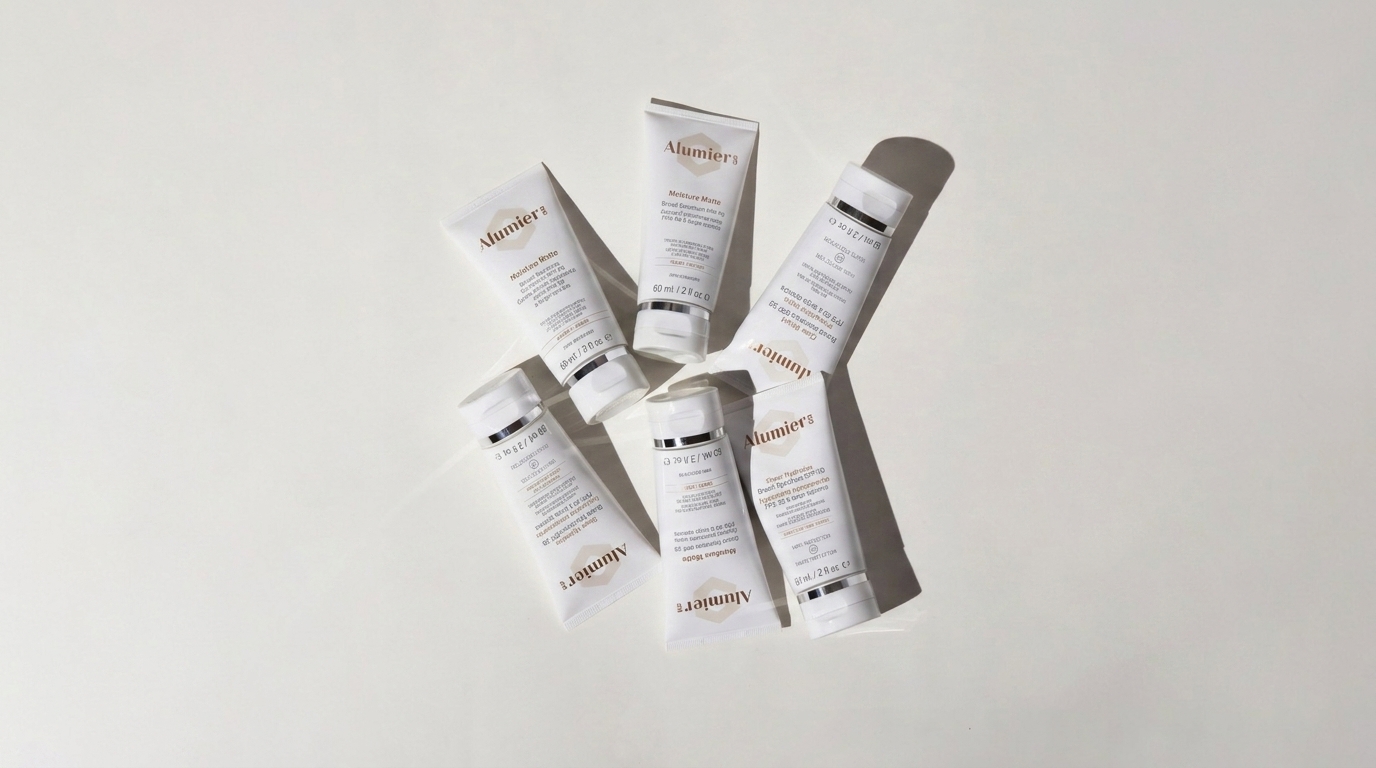
“That is why I advocate a multi-functional SPF range developed by AlumierMD, which are harder working and address multiple environmental challenges.”
Understanding environmental damage
Dr Borriello admits that Italian women, particularly the younger ones, also don’t understand that some SPF formulations can protect skin from so much more than sunburn.
“Oxidative stress, chronic inflammations, free radicals and cellular damage that overwhelm skin defences and accelerate ageing, are not things people understand – they believe that injecting is the only answer. We need to break the skincare chaos and educate patients to adopt new daily skincare routines and behaviours.
“This is why I often start my patients with initial core product; a Vitamin C serum and a medical-grade SPF, such as those from AlumierMD, designed to not only protect skin from the sun, but multiple forms of environmental damage, including infrared radiation (IR), high energy visible (HEV) light (AKA blue light), pollution, UVA and UVB rays, and free radical damage.”
Making SPF a daily habit
Both practitioners agree that we have up to 90% control over how our skin ages, making a good sunscreen 365 days a year non-negotiable.
Stresses Dr Borriello: “If your mother used SPF every day, and taught you to do the same, your skin will be completely different. Completely.”