
The people with the most to spend on travel are now choosing to spend smarter. In today’s luxury market, ultra-high net worth individuals are increasingly looking beyond price tags and prioritising simplicity.
The expectations of premium travel are changing, and convenience is becoming the clearest marker of a holiday done right.
57% of travellers today define luxury by hassle-free, seamless experiences rather than cost or exclusivity. The demand is unambiguous, with holidays increasingly expected to feel turnkey, with accommodation, dining and itineraries all taken care of, and friction reduced. In a fast-paced world, time has become as valuable as money, and the premium travel market is responding accordingly.
Part of this shift is being accelerated by a more complex travel environment, where planning a trip now often requires navigating layers of regulation and constraint. Between tourism restrictions, the jet fuel crisis and geopolitical uncertainty, travel has become unpredictable, all while Europe’s most popular destinations are tightening controls in an effort to curb overtourism.
Whilst demand for top destinations like Mallorca continues to grow – with Engel & Völkers reporting 10%+ annual growth for premium property there – the reality of living and holidaying in Europe today does not match up to expectations.
Navigating new property restrictions in this landscape can feel almost impossible with the Balearics having banned new tourist rentals, Barcelona doubling tourist taxes, and for British travellers being faced with the post-Brexit 90/180 rule and EES system. It just adds more layers of friction to a holiday.
75% of British travellers now cite overtourism as a key factor in their holiday decisions, and ease of access has become a deciding factor in destination choice. The result is a travel landscape that requires more planning, more navigation, and more tolerance for administrative complexity.
Private holiday homes remain a defining feature of luxury travel. The ability to arrive in a favourite destination and step directly into a private space that feels like home still holds strong appeal. But traditional ownership increasingly sits at odds with a desire for frictionless living. Beyond the purchase itself, second-home ownership brings added responsibilities like ongoing maintenance, insurance, taxes, compliance, staffing, and day-to-day management.
For affluent travellers, this level of involvement is becoming harder to reconcile with the idea of ease.
Across luxury sectors, a broader shift is already visible. Analysts expect the wider sharing economy to reach $1.12 trillion by 2029. Access-based models like private aviation memberships and yacht programmes are growing as consumers prioritise flexibility over ownership complexities. Property is beginning to reflect this same evolution.
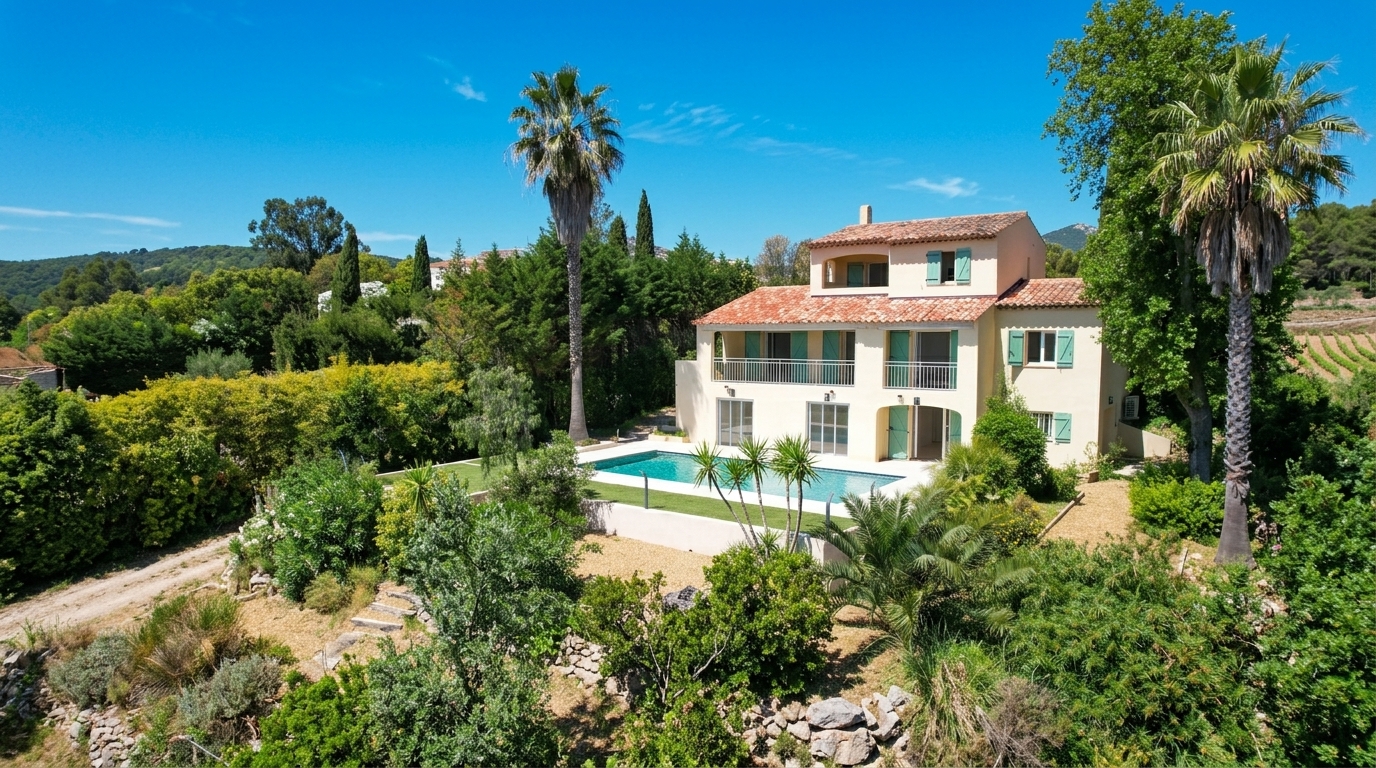
Co-ownership is one expression of that shift, and it’s the model we’ve built MYNE around. It allows multiple buyers to share a professionally managed home, with legal, tax, and operational responsibilities handled centrally. Unlike timeshares which typically offer only usage rights, co-ownership provides a genuine stake in the underlying asset while simplifying ongoing management.
It also addresses underusage, which is a structural inefficiency in traditional ownership. Holiday homes often sit empty for much of the year, with occupancy rates typically around 50 to 60%, rising only in peak periods. By contrast, MYNE homes average 85% occupancy rates because the homes are being used as they were meant to be.
For frequent travellers, this creates greater optionality. Rather than committing capital to a single property, buyers can access multiple destinations while maintaining the benefits of private ownership.
MYNE’s Holiday Exchange programme allows co-owners to stay across a wider European network, from the French Riviera to Lake Como, offering variety without sacrificing the consistency of quality or management.
At the same time, co-ownership reflects a growing behavioural shift. Increasingly, travellers are returning to the same destinations year after year. With 61% of Brits investing in the so-called ‘return economy’, and 47% prefer having a regular base abroad, familiarity is becoming as important as novelty. Co-ownership offers the reassurance of a consistent home alongside the flexibility to return whenever they choose.
Luxury is no longer about what you own, but what you no longer have to think about. As travel becomes more regulated and ownership more demanding, simplicity is becoming the defining feature of modern luxury, and co-ownership is where that shift is most clearly realised.