
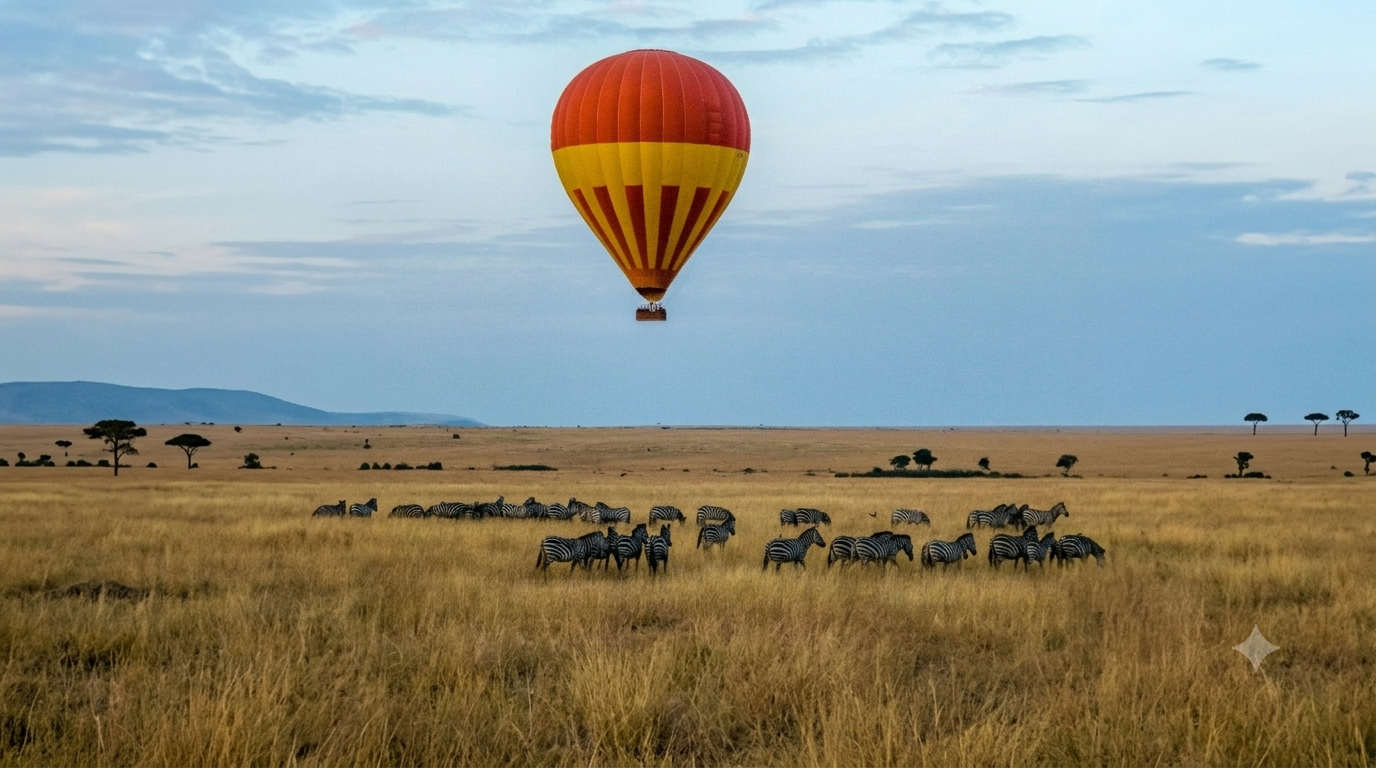
For many travellers, a safari is the ultimate bucket-list adventure. Few experiences compare to watching elephants cross the savannah at sunrise, spotting a pride of lions resting beneath an acacia tree or falling asleep to the sounds of the African wilderness.
Demand for safari holidays continues to grow. Kenya welcomed more than 2.5 million international visitors in 2025, while tourism supports around 1.8 million jobs and contributes more than 9% of the country’s GDP, according to the World Travel & Tourism Council. As interest in wildlife travel increases, so too does awareness of the importance of protecting the destinations that make these experiences possible.
Fortunately, travellers no longer have to choose between an unforgettable holiday and responsible tourism. Across East Africa, many safari destinations now combine exceptional wildlife viewing with conservation initiatives that protect habitats, support local communities and help safeguard endangered species.
According to Dr Mohanjeet Brar, Managing Director at Gamewatchers Safaris, ethical travel begins long before boarding a plane.
“The most rewarding safaris are those where visitors know their trip is helping to protect wildlife and improve local livelihoods. Asking where your money goes is one of the simplest ways travellers can make a positive impact.”
Look beyond the national parks
Many first-time visitors naturally focus on famous destinations such as the Maasai Mara National Reserve, Amboseli National Park or Tsavo National Park. While these remain among Africa’s greatest wildlife destinations, some of the continent’s biggest conservation successes are taking place in neighbouring community conservancies.
Unlike traditional protected areas, conservancies are managed through partnerships between conservation organisations, tourism operators and local landowners. Communities receive income for preserving wildlife habitat rather than converting land for farming or development, creating long-term incentives to protect biodiversity.
Across Kenya, conservancies such as Mara North, Ol Pejeta, Lewa, Selenkay and Ol Kinyei demonstrate how wildlife conservation and sustainable tourism can work hand in hand. Travellers wanting to understand how this model works can read more about the community conservancy concept, which explains how tourism, wildlife protection and local communities are connected.
For visitors, conservancies often provide a quieter safari experience, with fewer vehicles, smaller camps and opportunities for guided bush walks and night drives that are not always possible inside national parks.
Why conservancies matter
Wildlife tourism contributes an estimated $344 billion to the global economy every year and supports more than 21 million jobs worldwide, according to the World Travel & Tourism Council.
When managed responsibly, tourism revenue helps fund:
- Habitat restoration
- Anti-poaching patrols
- Wildlife monitoring
- Ranger salaries
- Veterinary care
- Community education
- Local healthcare and infrastructure
This creates a powerful cycle where protecting wildlife also supports local economies. Rather than competing with livelihoods, elephants, lions, giraffes and other iconic species become valuable natural assets that communities have every reason to conserve.
Choose your safari camp carefully
Where you stay can have just as much impact as where you go.
Many responsible safari operators deliberately limit guest numbers to reduce pressure on wildlife and minimise environmental impact. Smaller camps also create a more immersive experience, allowing wildlife to behave naturally without large numbers of vehicles gathering around sightings.
When researching accommodation, look beyond luxury facilities and consider questions such as:
- Does the camp employ local staff?
- Are local communities involved in decision-making?
- Does tourism income fund conservation projects?
- Are renewable energy and water-saving measures used?
- Is wildlife viewing managed responsibly?
Many operators now publish detailed information explaining how guest revenue supports conservation. If you’re researching ethical safari operators, it’s worth looking for information on their conservation model and whether they support long-term habitat protection. For example, Gamewatchers explains its community conservancy approach and also outlines its Adopt an Acre conservation programme, which helps fund protected wildlife habitat through community partnerships.
Five questions to ask before booking
Not every safari marketed as “eco-friendly” delivers meaningful conservation benefits. Before booking, ask:
- Does the operator work with community-owned conservancies?
- Do local communities receive direct financial benefits?
- Are visitor numbers intentionally limited?
- Does the camp employ and train local guides?
- Is tourism revenue reinvested into conservation?
A reputable safari company should be happy to answer each of these questions clearly.
Conservation starts with people
When people think about conservation, they often picture endangered animals. In reality, successful conservation depends just as much on supporting the people who live alongside wildlife.
Across East Africa, tourism helps fund schools, healthcare, employment opportunities and community development projects. When local families benefit directly from wildlife tourism, there is greater incentive to protect natural habitats for future generations.
Travellers should ask how their holiday benefits local communities as well as wildlife.
Small choices make a big difference
Planning an ethical safari isn’t only about choosing the right operator. Visitors can also reduce their impact by:
- Supporting locally owned businesses where possible.
- Carrying a reusable water bottle to reduce plastic waste.
- Respecting wildlife viewing distances.
- Following guide instructions at all times.
- Avoiding attractions that encourage direct interaction with wild animals.
- Purchasing locally made crafts that directly support communities.
Often, the most memorable safari moments are also the most natural. Watching elephants gather around a waterhole at sunset or listening to hyenas calling after dark leaves a far more lasting impression than any staged wildlife encounter.
A safari that leaves a positive legacy
Every holiday leaves an impact. The question is whether that impact is positive.
Responsible safari tourism provides vital funding for wildlife conservation, habitat restoration and community development across Africa. By choosing operators that work transparently with local communities and reinvest tourism income into conservation, travellers help ensure these extraordinary landscapes continue to thrive.
Travellers who want to learn more about conservation-led tourism can explore resources from organisations such as the African Wildlife Foundation and the Kenya Wildlife Conservancies Association, alongside educational guides explaining theKenyan conservancy model. Those beginning to plan a trip may also find it useful to compare different Kenya safari itineraries to understand how low-impact safaris differ from more conventional wildlife holidays.
A truly great safari isn’t measured simply by the number of animals spotted during a game drive. It’s measured by the knowledge that your visit has helped protect the landscapes, wildlife and communities that make these remarkable experiences possible for generations to come.