

Native-led tours, historic sites, powwows and Indigenous cuisine offer a deeper connection to the state
BISMARCK, N.D., Aug. 27, 2026 /PRNewswire/ — The beat of a drum. The geometry of colorful beadwork. The scent of bison cooking over a wood fire. Across North Dakota, Native American culture is not confined to the past. It is shared through food, art, music, storytelling and experiences that connect travelers more deeply with the land and the people who have called it home for generations.
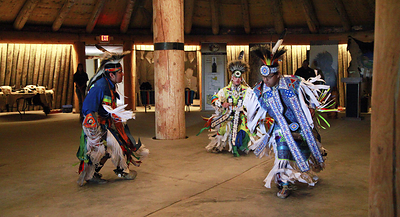
Five sovereign Tribal Nations share geography with North Dakota: the Mandan, Hidatsa and Arikara Nation; Spirit Lake Nation; Standing Rock Sioux Tribe; Sisseton Wahpeton Oyate; and Turtle Mountain Band of Chippewa. Together, their cultures are an essential part of North Dakota’s identity and offer travelers meaningful ways to experience the state through Native perspectives.
Walk Through Centuries of History
Along the Missouri River, remnants of earthlodge villages reveal sophisticated communities that farmed, traded and flourished on the Northern Plains long before North Dakota became a state.
At Knife River Indian Villages National Historic Site near Stanton, travelers can step inside a reconstructed earthlodge and explore trails leading to village sites once occupied by the Mandan and Hidatsa people. The park’s museum and interpretive programs share the stories of the region’s agricultural communities, extensive trade networks and the life of Sakakawea.
Near Mandan, On-A-Slant Indian Village at Fort Abraham Lincoln State Park includes reconstructed earthlodges on a site inhabited by the Mandan for more than two centuries. Guided tours offer a closer look at village life, architecture and the enduring relationship between the people and the Missouri River.
North of Bismarck, Double Ditch Indian Village State Historic Site preserves the visible depressions of earthlodges, fortification ditches and other archaeological features from a major Mandan community and trading center. Walking paths and interpretive signs allow visitors to explore the site overlooking the Missouri River. The location is culturally significant, and travelers should remain on designated paths and treat the landscape with care. National Park Service information confirms that the earthlodge remains and fortification ditches remain discernible today.
Hear the Stories from the People Who Live Them
Tribal museums and cultural centers provide an important contemporary perspective, sharing stories through Native voices rather than treating Indigenous culture solely as history.
The MHA Interpretive Center in New Town explores the distinct histories and shared experiences of the Mandan, Hidatsa and Arikara people. Exhibits trace life before and after the creation of Lake Sakakawea, while cultural programming, art and community events connect that history with the MHA Nation today.
Additional stops include the Sitting Bull Visitor Center in Fort Yates, the Turtle Mountain Chippewa Heritage Center in Belcourt and Fort Totten State Historic Site, where exhibits examine the site’s complex history as a military post, boarding school and tuberculosis preventorium.
For a more personal experience, the North Dakota Native Tourism Alliance offers Native-led cultural tours developed by the Tribal Nations themselves. Experiences may include storytelling, visits to culturally significant places, and workshops focused on traditions such as beadwork, quilting, dancing, and drum songs. The alliance describes its tours as opportunities for visitors who want to learn with an open heart and hear Native stories in Native voices.
Support Native-Owned Businesses Along the Way
Travelers can extend the impact of their visit by supporting Native-owned businesses, artists and hospitality enterprises throughout North Dakota.
In Dunseith, Bully Brew Coffee offers a welcoming stop near the Turtle Mountain Scenic Byway. Indigenous business owner Lita Davis returned home to the Turtle Mountains after more than two decades in Minneapolis and opened the full-service café with her mother, Lynn Gladue. Visitors can stop for specialty North Dakota roasted coffees, soups and sandwiches while supporting a family-owned business and community gathering place. The independently owned café is a licensed location of Bully Brew Coffee, a woman-led regional company founded in Grand Forks that has grown to eight locations across North Dakota and Minnesota.
Native art and design provide another way to connect with contemporary culture. Bismarck-based Bountiful REI’s features paintings by Native artist Bill Brien, whose work draws upon his Lakota, Dakota, Chippewa and Métis heritage. Paintings, fine art prints, textiles and more are available for purchase online and custom art is also available. Beyond Buckskin (an online-only store) founded by Turtle Mountain Chippewa citizen Jessica Metcalfe of Belcourt elevates Native fashion and connects shoppers with clothing, jewelry and accessories created by Indigenous designers.
Tribally owned resorts also provide convenient bases for exploring Native American attractions and landscapes. Prairie Knights Casino & Resort near Fort Yates places visitors along the Standing Rock National Native American Scenic Byway, while Four Bears Casino & Lodge in New Town offers access to Lake Sakakawea, the MHA Interpretive Center and the Killdeer Mountain Four Bears Scenic Byway. Spirit Lake Casino & Resort sits on the shores of Devils Lake, and Sky Dancer Casino & Resort provides lodging near Turtle Mountain communities and attractions.
Taste a New Chapter in Indigenous Cuisine
Indigenous foodways are gaining new visibility in North Dakota as chefs and culinary entrepreneurs draw upon ingredients that have sustained Native communities for generations, including bison, wild rice, corn, beans, squash, berries, fish and wild game.
At Salt + Scoria inside the Theodore Roosevelt Presidential Library in Medora, Chef Candace Stock, a member of the Ho-Chunk Nation who grew up on the White Earth Reservation, creates dishes informed by Indigenous food traditions and the surrounding Badlands. The seasonal menu incorporates native botanicals, wild rice, grains and ethically sourced game, with offerings such as smoked salmon with wild rice and cedar-smoked chicken. Floor-to-ceiling views and communal tables make the landscape part of the dining experience.
At Hunters Club in the Prairie Knights Casino & Resort near Fort Yates, a predominantly Indigenous culinary team serves dishes featuring ingredients such as elk, rabbit, walleye, berries and wild herbs. Its Hunters Reserve experience follows 13 lunar cycles, introducing a menu every 28 days that reflects what the prairie offers during that period. Current restaurant offerings include wood-fired elk served with wojapi and braised rabbit with roasted corn polenta.
Travelers can also discover North Dakota-made Indigenous foods through Pemmican Patty Food Company, founded by Patricia Mabin. Inspired by Mabin’s Native American and Métis heritage, the company reimagines pemmican, traditionally made as a nourishing and portable food, using ingredients such as bison, berries and maple water.
Gather, Dance and Celebrate
Powwows offer one of the most powerful ways to experience Native American culture in North Dakota. These community gatherings bring together dancers, drum groups, artists, families and visitors for celebrations rooted in tradition and carried forward by new generations.
Upcoming celebrations include:
- Sept. 4-6: Turtle Mountain Band of Chippewa Indians Labor Day Powwow, Belcourt
- Sept. 11-13: United Tribes International Powwow, Bismarck. One of the region’s premier cultural events, the powwow welcomes dancers and drum groups from across the United States and Canada and includes competitions, Native arts, food and opportunities to learn about powwow traditions.
Visitors attending a powwow for the first time should listen to the emcee, ask before photographing individuals and understand that certain songs or ceremonies may not be photographed. Guests are generally welcome to participate in intertribal dances when invited.
A complete guide to North Dakota powwows, including visitor etiquette and the 2026 schedule, is available at NDTourism.com.
For trip ideas and a directory of tribal attractions, visit NDTourism.com/native-american-culture. Travelers can learn more about the state’s Tribal Nations and explore Native-led cultural tours through the North Dakota Native Tourism Alliance. To plan a Legendary North Dakota trip, visit NDTourism.com.
Follow North Dakota Tourism on Facebook at www.facebook.com/TravelND, on Instagram at https://www.instagram.com/northdakotalegendary/ or on X at http://x.com/NorthDakota and get tips on what to see and do all year long.
C O N T A C T :
Leslie Holbrook | 614-383-1635
leslie.holbrook@fahlgren.com
Kim Schmidt | 701-328-2532
ksschmidt@nd.gov
 View original content to download multimedia:https://www.prnewswire.com/news-releases/explore-the-native-american-cultures-that-continue-to-shape-north-dakota-302861699.html
SOURCE North Dakota Tourism Division
