
For many years, healthcare has largely been built around treating illness rather than preventing it. Today, that model is beginning to shift, driven not only by governments and healthcare providers, but by consumers themselves.
Health systems currently allocate more than 70% of their budgets towards reactive treatments, yet the economic case for prevention is becoming impossible to ignore. In the UK alone, increasing prevention-focused spending from 6% to 10% could generate up to £42 billion in savings over the next decade, delivering an estimated £8 return for every £1 invested.
While policy changes will take time, consumer behaviour is already moving much faster.
I’ve seen growing demand for products that support long-term wellbeing rather than simply solving problems after they arise. Consumers are increasingly building small, consistent habits into their daily routines, choosing products that help them sleep better, manage stress, improve recovery and support overall health before issues develop.
The future of wellness is becoming less about intervention and more about integration.
The rise of wellness stacking
One of the biggest trends shaping this shift is what many now call “wellness stacking”.
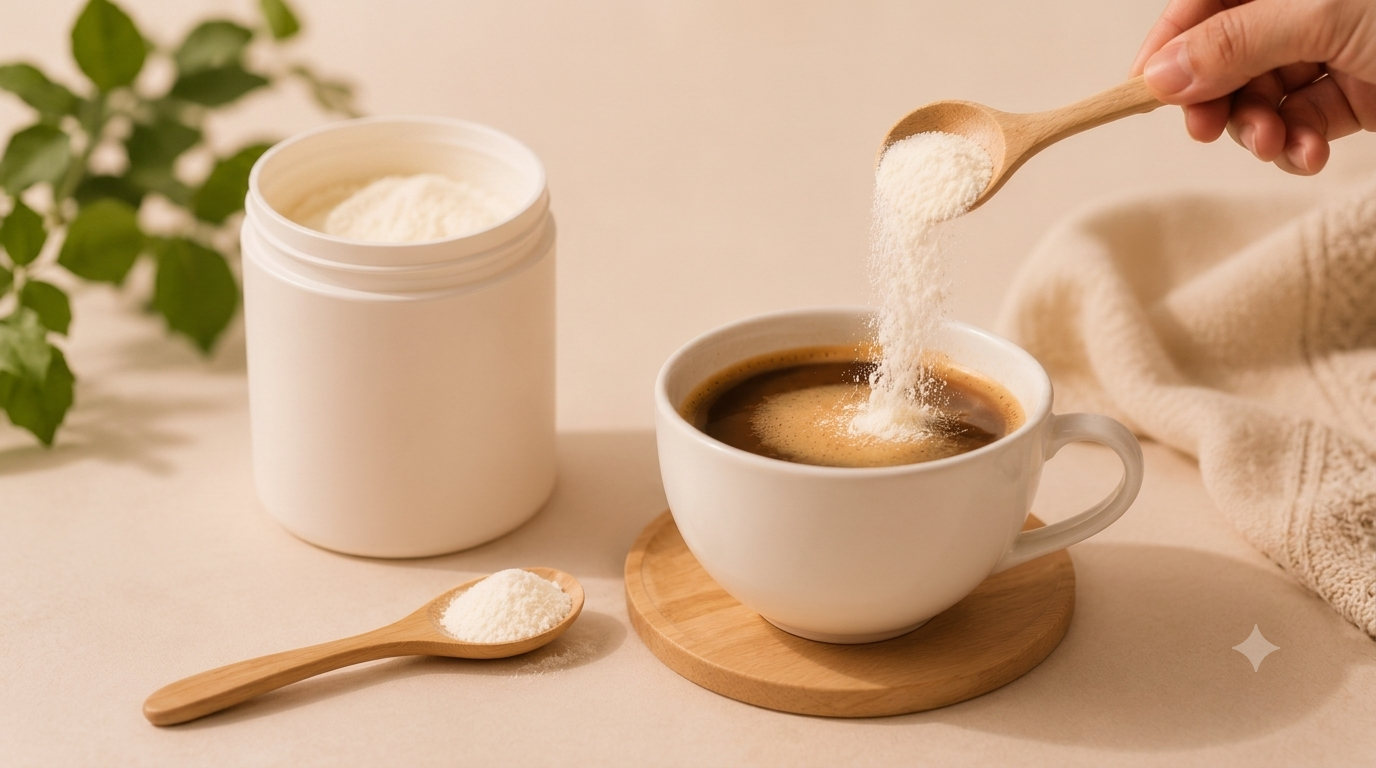
Rather than relying on occasional treatments or dramatic lifestyle overhauls, people are combining multiple small habits throughout the day that collectively improve their wellbeing. A collagen supplement stirred into a morning coffee. Magnesium before bed to support sleep. Omega-3 capsules alongside breakfast. Protein-rich snacks between meetings. Hydration tablets after exercise. Individually, these habits may seem modest but together, they create routines that are easy to maintain and deliver cumulative benefits over time.
Technology is accelerating this behaviour. More than 500 million smartwatch users worldwide now monitor metrics such as heart rate, sleep quality and blood oxygen levels, turning health tracking into a daily habit rather than something reserved for medical appointments. In the UK, over 33 million people now use the NHS App to manage appointments, prescriptions and their health information more proactively.
Consumers no longer want to wait until something feels wrong. They want continuous feedback that helps them optimise how they feel every day.
Convenience has become the new luxury
Perhaps the most significant change in wellness is that consumers no longer want products that require them to change their lifestyle. They want products that fit seamlessly into the lifestyle they already have.
We’re seeing similar patterns across our own portfolio. Functional peanut butters offering added protein, ready-to-drink protein beverages, omega-3 supplements, magnesium, greens blends and high-protein snacks are all gaining popularity because they remove friction from healthy living. Instead of asking people to overhaul their routine, they enhance routines that already exist.
Consumers are becoming far more ingredient literate
Another major change is the growing sophistication of today’s wellness consumer.
Studies show that shoppers are no longer purchasing products simply because they’re labelled as “healthy”. They’re actively researching ingredients and making purchasing decisions based on evidence rather than marketing alone.
Ingredients such as creatine and probiotics have become part of mainstream conversations, while consumers increasingly understand how they support everything from muscle recovery and cognitive performance to sleep quality and gut health.
Social media and digital wellness platforms have contributed to raising ingredient literacy. As a result, consumers are asking better questions, comparing formulations and seeking transparency around sourcing and quality. For brands, this represents a significant shift. Trust is no longer built solely through brand recognition but through education and scientific credibility.
Why younger consumers are embracing everyday wellness
Perhaps the most interesting demographic driving this movement is Gen Z. Unlike previous generations, younger consumers often view wellness as something to maintain rather than something to repair. Instead of waiting until problems emerge, they’re investing in affordable, sustainable habits that support long-term physical and mental wellbeing.
That doesn’t necessarily mean spending more. In many cases, it means making smarter, more consistent choices. This generation has grown up with unprecedented access to health information and increasingly sees wellbeing as part of everyday life rather than a separate activity.
Prevention is becoming a lifestyle
The wellness industry is often associated with the latest trends, but the most meaningful shift happening today is much more fundamental.
Consumers are moving away from reactive health decisions and towards proactive, sustainable routines built around consistency rather than perfection. Prevention is no longer something discussed only within healthcare policy. It’s becoming embedded in everyday consumer behaviour, influencing everything from grocery shopping and supplementation to fitness and stress management.
For businesses operating in health and wellbeing, the opportunity is no longer simply to offer products. It is to help consumers build habits that genuinely improve quality of life over the long term.
Ultimately, the future of wellness won’t be defined by a single breakthrough product or treatment. It will be shaped by millions of small decisions people make every day, and the brands that make those decisions easier, more accessible and more sustainable.