
For many years, motorhomes and campervans were often associated with retirees, long summer holidays, and traditional touring lifestyles. Today, that picture is changing. Across the UK and beyond, younger generations are increasingly embracing campervan travel, drawn by a combination of flexibility, adventure, and changing attitudes towards how they spend their time and money.
While social media has helped bring van life into the mainstream, the trend runs deeper than carefully curated travel photos and scenic campsites. Economic factors, evolving work patterns, and a growing desire for meaningful experiences are all contributing to the rise of campervan culture among Millennials and Gen Z.
As travel habits continue to evolve, campervans are no longer viewed simply as recreational vehicles. For many younger people, they represent freedom, self-sufficiency, and the ability to explore on their own terms.
A Shift Away from Traditional Travel
The way younger generations approach travel looks very different from previous decades. While package holidays and resort stay remain popular, many travellers are seeking more personalised and flexible experiences.
Rather than following fixed itineraries, many people now prefer trips that can be adapted as they go. The ability to change destinations, extend stays, or discover lesser-known locations has become increasingly attractive.
Campervans naturally support this style of travel. Instead of being tied to hotel bookings or flight schedules, travellers can create journeys that evolve based on weather, recommendations, or personal preference.
This flexibility has become particularly appealing in recent years as travellers place greater value on experiences and independence.
The Search for Freedom and Flexibility
One of the biggest drivers behind the rise of van life is the sense of freedom it offers.
For younger travellers, a campervan provides the opportunity to escape routine without the complexity often associated with traditional holidays. Whether it is a spontaneous weekend along the coast, a national park adventure, or a longer European road trip, the vehicle becomes both transport and accommodation.
The appeal is not necessarily about living permanently on the road. In reality, many younger campervan owners use their vehicles for regular short breaks throughout the year.
This flexibility allows travellers to maximise their leisure time and make the most of long weekends, annual leave, and seasonal events without extensive planning.
Experiences Are Taking Priority
Consumer behaviour has shifted significantly over the past decade. Numerous studies have shown that younger generations increasingly prioritise spending on experiences rather than material possessions.
Travel, live events, outdoor activities, and memorable experiences often rank highly when younger consumers make decisions about where to allocate their disposable income.
A campervan fits naturally into this mindset. Rather than funding a single annual holiday, owners gain access to multiple opportunities for travel throughout the year.
From music festivals and sporting events to coastal escapes and countryside retreats, campervans provide access to a wide range of experiences from a single investment.
The ability to create memories across multiple trips often makes ownership feel more rewarding than other leisure purchases.
The Influence of Social Media
It would be impossible to discuss modern van life without acknowledging the role of social media.
Platforms such as Instagram, TikTok, and YouTube have transformed campervan travel from a niche hobby into a highly visible lifestyle. Travel creators regularly share road trip adventures, vehicle conversions, remote working setups, and destination guides with audiences numbering in the millions.
These platforms have helped introduce younger people to destinations they may never have considered visiting. They have also demonstrated that campervan travel can be accessible across a wide range of budgets and lifestyles.
However, while social media may spark interest, industry experts suggest that practical considerations are often what convert that interest into ownership.
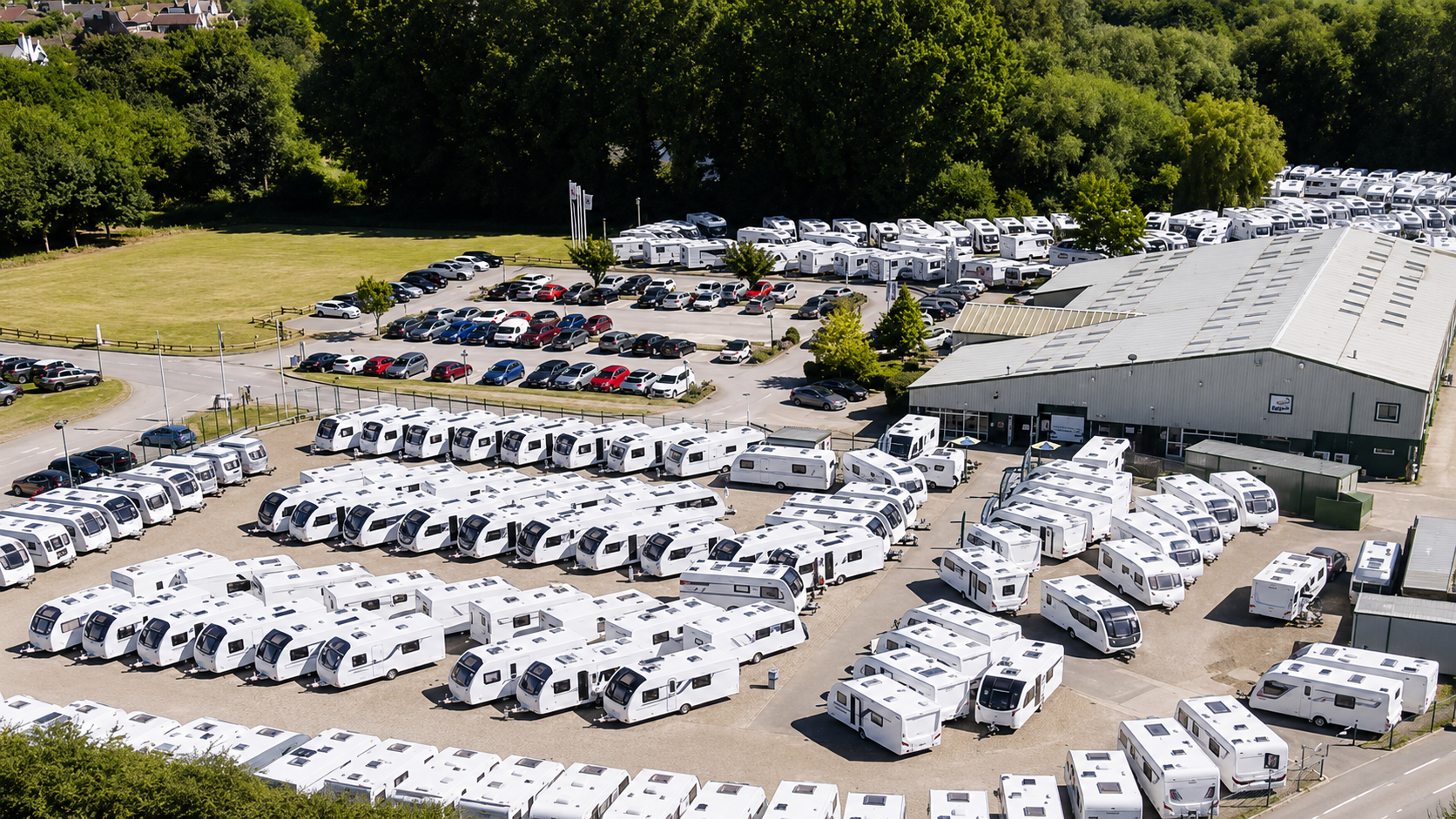
According to experts at Lowdhams, one of the UK’s longest established motorhome and caravan dealerships, younger buyers are increasingly approaching campervan ownership as a lifestyle investment rather than an occasional holiday purchase.
The dealership has observed growing interest from customers seeking vehicles that support flexible travel, outdoor activities, and regular short breaks throughout the year.
Remote and Flexible Working Has Opened New Possibilities
The rise of remote and hybrid working has also played a role in the growth of campervan culture.
While relatively few people work full time from a campervan, flexible working arrangements have created new opportunities for travel. Professionals who are no longer required to be in a fixed location five days a week can often extend trips, work remotely for short periods, or travel outside traditional holiday seasons.
This shift has made campervan ownership more practical for some younger buyers.
Instead of reserving travel exclusively for annual leave, many can incorporate short adventures into their everyday routines. A few days spent working from a campsite near the coast or countryside can offer a change of scenery without requiring a lengthy break from professional responsibilities.
As workplace flexibility continues to evolve, campervans are likely to remain attractive to individuals seeking greater balance between work and leisure.
The Appeal of Domestic Travel
The popularity of domestic tourism has remained strong in recent years.
The UK offers an extensive variety of landscapes and destinations within relatively short driving distances. National parks, coastal regions, historic towns, and rural villages provide countless opportunities for exploration without the need for international travel.
Campervans allow travellers to access these destinations conveniently while maintaining a high degree of independence.
Many younger travellers are discovering that memorable experiences do not necessarily require long haul flights or expensive overseas accommodation. A weekend in the Lake District, the Scottish Highlands, Cornwall, or Snowdonia can provide a rewarding escape while remaining relatively accessible.
Industry specialists at Lowdhams note that many first-time buyers are motivated by a desire to explore more of the UK, often citing flexibility and convenience as major factors influencing their purchasing decisions.
Cost Considerations Remain Important
Affordability continues to influence travel choices for younger consumers.
While purchasing a campervan represents a significant investment, many owners view it differently from a traditional holiday expense. Rather than paying repeatedly for hotels, flights, baggage fees, and car hire, the vehicle becomes an asset that can be used multiple times each year.
This perspective has become increasingly relevant as travel costs continue to fluctuate.
Many buyers calculate value over several years of ownership rather than focusing solely on the initial purchase price. Frequent travellers may find that a campervan enables them to take more trips while maintaining greater control over their overall travel spending.
This does not mean campervans are automatically cheaper than other forms of travel. However, the flexibility to choose destinations, accommodation options, and trip lengths allows owners to tailor experiences according to their budget.
Outdoor Living and Wellness Trends
Another factor contributing to van life’s popularity is the growing interest in outdoor recreation and wellbeing.
Many younger people actively seek opportunities to spend time in nature, whether through hiking, cycling, paddleboarding, surfing, or simply escaping busy urban environments.
Campervans provide a practical base for these activities. Equipment can be transported easily, destinations can be reached conveniently, and accommodation is available wherever the journey leads.
This connection between travel and wellbeing has become increasingly important as people look for ways to disconnect from daily pressures and reconnect with outdoor environments.
For many owners, the appeal extends beyond tourism. Campervan travel encourages slower, more intentional experiences that prioritise exploration, relaxation, and personal wellbeing.
A New Generation of Buyers
The campervan market itself has evolved to meet changing consumer expectations.
Modern vehicles increasingly feature advanced technology, efficient layouts, improved connectivity, and design elements that appeal to a broader audience. Manufacturers now recognise that younger buyers often value practicality, aesthetics, and versatility alongside traditional touring features.
As a result, the range of available vehicles has expanded significantly, providing options suited to different budgets, lifestyles, and travel ambitions.
Dealerships such as Lowdhams have witnessed this evolution first hand through decades of experience within the leisure vehicle sector. Having operated since 1966, the company has observed changes in both customer demographics and purchasing motivations.
Today’s buyers are often seeking vehicles that support diverse lifestyles rather than a single annual holiday. Flexibility, convenience, and year-round usability have become increasingly important considerations.
What Does the Future Hold for Van Life?
While trends inevitably evolve, there are strong indications that campervan travel will remain attractive to younger generations for years to come.
Many of the factors driving interest today are unlikely to disappear. Flexible working arrangements, experience focused spending habits, domestic tourism, and growing interest in outdoor recreation all continue to influence consumer behaviour.
At the same time, manufacturers and dealerships are adapting to changing expectations through innovation, technology, and improved vehicle design.
The modern campervan is no longer viewed solely as a niche leisure product. For many younger travellers, it represents a practical and versatile way to experience greater freedom, flexibility, and adventure.
As industry experts such as Lowdhams continue to observe changing customer preferences, one thing appears clear: van life has moved beyond being a social media trend. It has become a lifestyle choice that reflects how younger generations increasingly want to travel, explore, and spend their leisure time.