
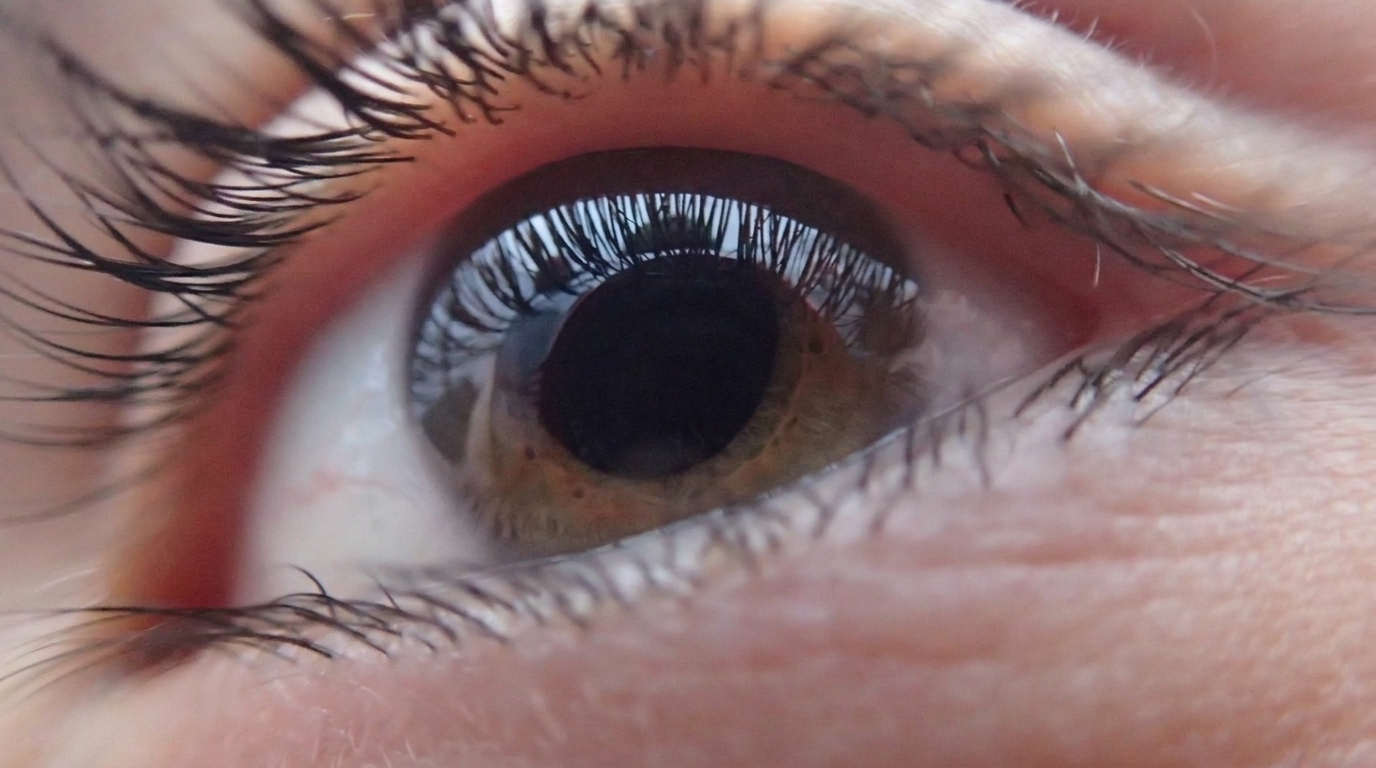
Many people are guilty of keeping beauty products around for far longer than they should. Whether it’s a favourite mascara that has survived several months, or an eyeliner that’s fallen to the bottom of a makeup bag, it can be tempting to keep using an item while there is still product inside, especially with prices rising in the UK.
But when it comes to beauty products used around the eyes, experts say it is particularly important to pay attention to how long products have been open and how they are stored.
The delicate skin surrounding the eyes can be more susceptible to irritation, while products that are repeatedly exposed to skin, moisture and air can become contaminated over time.
Products used around the eye area can be exposed to a combination of moisture, skin cells, oils and bacteria every time they are used.
The skin and tissues surrounding the eyes are particularly delicate, so using expired or contaminated products can lead to redness, irritation, soreness, and in some cases, infections.
Why do eye makeup products become contaminated?
It is easy to assume that because a beauty product looks and smells normal, it must still be safe to use. However, contamination is not always visible. In fact, every time a product is opened, it can be exposed to the surrounding environment.
People are often surprised to learn how quickly products used around the eyes can become contaminated.
But every time you dip a mascara wand back into the tube, there is the potential to introduce bacteria, oils, and dead skin cells into the product.
This is particularly relevant for products that are stored in warm, damp environments, like the bathroom.
Mascara is one of the biggest offenders
Mascara is one of the biggest offenders because the dark, moist environment inside the tube can encourage microbial growth over time.
Unlike a powder product that can be exposed to air on the surface, a mascara wand is repeatedly used around the eyes and then returned to an enclosed tube.
Most mascaras should ideally be replaced every three months, even if there is still product left inside.
It can feel wasteful, especially if the tube still contains plenty of product. However, the amount of formula remaining is not necessarily a good indicator of whether the product should still be used.
It’s also important to notice how the mascara is starting to behave. If it becomes unusually dry or difficult to apply, this can be a huge warning that it’s time to replace it.
Don’t forget about liquid eyeliner
Liquid eyeliner can present a similar issue because the applicator is repeatedly used around the eyes before being returned to its container.
It can be particularly easy to forget when a product was first opened, especially if it is only used occasionally.
Liquid eyeliners are another product that people often keep for far too long.
If the formula starts to change in texture, smell, or performance, it is usually a sign that it is time to replace it.
And if the applicator has been dropped onto a dirty surface, shared with someone else, or comes into contact with an eye infection, it is particularly important to consider replacing it rather than simply putting it back in the makeup bag.
Makeup tools need attention too
It is not only beauty products that can harbour unwanted microbes.
Makeup sponges can also harbour bacteria if they are not cleaned and replaced regularly.
Because they are repeatedly exposed to moisture, they can become a breeding ground for microbes if they are left damp or used for extended periods.
Sponges should be cleaned according to the manufacturer’s instructions and allowed to dry thoroughly. They should also be replaced when they begin to deteriorate, develop an unusual smell, or can no longer be cleaned properly.
The same principle applies to other reusable tools. Brushes should be washed regularly, particularly those used around the eyes, and should not be shared between people.
Don’t share products used around the eyes
Another simple way to reduce the risk of contamination is to avoid sharing products that are applied directly to the eyes.
Mascara, liquid eyeliner, and eyeshadow can come into contact with skin, lashes and secretions around the eye. Sharing these products can therefore introduce microorganisms from one person to another.
This is especially important if either person has an eye infection or irritation.
What should you do if your eye makeup causes irritation?
If a product causes unexpected redness, soreness, swelling, itching, or irritation around the eyes, stop using it.
It can be tempting to assume that irritation will disappear if you simply use less of the product, but continuing to apply a potentially contaminated or irritating product can make the problem worse.
If symptoms are severe, persistent or concerning, seek appropriate medical advice rather than trying to treat the problem yourself.
When it comes to products used around the eyes, hygiene should always come before getting the last bit of use out of a product.
So next time you are clearing out your makeup bag, don’t just look at what you have run out of. Check what you have been keeping for too long.
That half-used mascara might still look perfectly fine, but if you cannot remember when you opened it, it could be time to let it go.