

The article explains how needling techniques may address muscle tightness and movement limitations as one part of a broader rehabilitation plan.
REXBURG, Idaho, Sept. 22, 2026 /PRNewswire/ — What is dry needling in physical therapy?
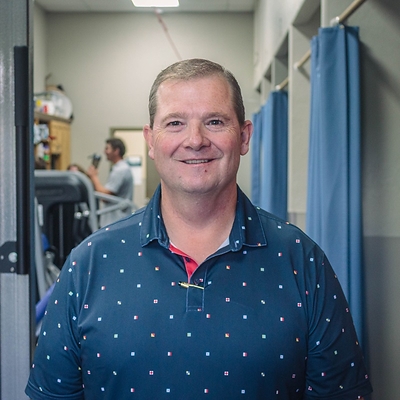
HelloNation has published an article that provides the answer, featuring insights from Physical Therapy Expert Paul Dye of Rexburg Rehabilitation in Rexburg, ID.
The HelloNation article explains that dry needling is a technique some therapists use as part of rehabilitation. A physical therapist inserts a thin needle into selected muscles or areas that may contribute to pain, tightness, or restricted movement. The needles contain no medication, and nothing is injected into the body.
Treatment areas are selected after the therapist considers symptoms, mobility, strength, movement patterns, and other physical findings. Trigger points are sensitive areas within muscles that may feel tight or tender when pressed. Targeting trigger points may be considered when muscle tension appears to interfere with movement or everyday activities.
The article also distinguishes the technique from acupuncture. Although both approaches use thin needles, acupuncture developed from traditional Chinese medicine and follows a different treatment framework. Needling in rehabilitation is used with a focus on anatomy, movement, and physical function.
A physical therapist generally does not use needling as a complete treatment by itself. It may be combined with stretching, strengthening, mobility work, movement training, and physical therapy exercises. These approaches can address limitations that require continued attention beyond an individual needling session.
One technique can combine needling with electrical stimulation. After needles are positioned in selected muscles, a low-level electrical current can stimulate tissue below the surface. This approach may be considered when muscle knots or tight areas contribute to restricted movement.
Another technique may involve controlled needle movement around a tendon or other selected tissue. The article explains that this can create small, localized tissue irritation intended to produce a limited inflammatory response and increase blood flow. The approach may then be combined with strengthening or loading exercises based on the tissue involved.
Sensations during treatment can differ from person to person. Some patients may notice pressure, aching, muscle twitching, or brief cramping. Muscle soreness can also occur afterward and may feel similar to discomfort following exercise. The intensity and duration of muscle soreness can vary with the technique, treatment area, and individual response.
A physical therapy evaluation helps determine whether the technique may be appropriate for a particular patient. Pain and movement restrictions can have several possible causes, including muscle tension, weakness, joint stiffness, tendon problems, previous injuries, or movement habits. A physical therapy evaluation allows these factors to be considered before determining how needling might fit into rehabilitation.
The article notes that treatment for muscle pain often involves examining more than the location where symptoms are felt. Therapists may assess how nearby muscles and joints function during common activities. This broader approach can help identify limitations that may contribute to discomfort or restricted movement.
Physical therapy exercises can then focus on strength, flexibility, mobility, and movement control. When used alongside treatment for muscle pain, exercises can address ongoing limitations and be adjusted as movement and tissue tolerance change.
The therapist can also monitor range of motion, soreness, strength, movement tolerance, and function throughout rehabilitation. Those findings help determine whether dry needling should remain part of the plan or whether the approach should be modified.
What Is Dry Needling in Physical Therapy? features insights from Paul Dye, Physical Therapy Expert of Rexburg, ID, in HelloNation.
About HelloNation
HelloNation is America’s Good News Network, a premier media platform built on the idea that good news travels faster when real people tell real stories. Through its community-focused publications and innovative “edvertising” approach, HelloNation delivers content that informs, inspires, and spotlights the leaders making a meaningful impact in their communities.

 View original content to download multimedia:https://www.prnewswire.com/news-releases/physical-therapy-expert-paul-dye-discusses-how-dry-needling-supports-rehabilitation-in-hellonation-302886324.html
SOURCE HelloNation
