

Three new nutrition studies found that pork-based meals:
- Support functional strength in older adults
- Stimulated post-exercise muscle protein synthesis
- Improved readiness and recovery Army cadets
DES MOINES, Iowa, March 24, 2026 /PRNewswire/ — According to three new peer-reviewed studies at U.S. universities, lean pork can help support muscle health, performance and recovery when included as part of an overall balanced dietary pattern.
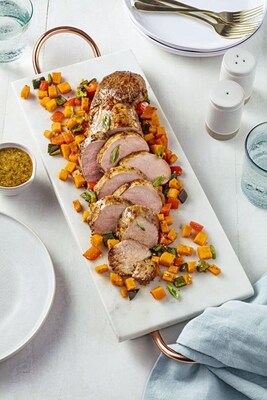
“What these studies seem to show is that high-quality protein sources are foundational for muscle health across the lifespan,” said Moul Dey, PhD, professor of nutrition science who leads functional nutrition research at South Dakota State University. “This research adds to the evidence that foods like fresh pork can be a practical way to help people meet protein needs and support physical function while eating whole foods.”
Key takeaways from the new research
In a study conducted by Dey at South Dakota State University, and published by Current Developments in Nutrition, a plant-forward diet that includes fresh, lean pork helps older adults maintain functional strength measures like grip strength and the ability to raise out of a sitting position.
Researchers tested a plant-forward eating pattern comparing the impact of dietary protein from about six ounces of fresh, lean pork to about 1.5 cups per day of minimally processed and cooked lentils, chickpeas, black beans, and split peas. The menus were matched for macronutrients and calories.
The study had two key findings:
- Those who ate the pork meals maintained functional strength, including grip strength and chair-rise performance without added exercise requirements.
- While fasting insulin decreased after both diet phases; HDL (“good”) cholesterol was higher after the pork phase versus the lentil phase.
“Muscle health is a key predictor of independence as we age,” Dr. Dey added. “In this trial, older adults were able to maintain their ability to perform everyday activities. That’s encouraging for people as they aim to protect muscle strength and function into their older years.”
In another study, conducted at the University of Illinois and published in the American Journal of Clinical Nutrition, researchers found that both lean- and higher-fat pork meals in physically active adults produced strong muscle-building responses after exercise. After completing resistance exercise, participants consumed one of three meals: a lean (lower-fat) pork meal (~20 g protein, 4.4 g fat), a higher-fat pork meal (~20 g protein, 20.6 g fat), or a carbohydrate-only control meal. The lean and high-fat pork meals produced higher post-exercise muscle protein synthesis than the carbohydrate-only control.
“Protein quality matters, and so does what the meal looks like in the real world,” said Nicholas A. Burd, PhD, Professor in the Department of Health and Kinesiology at the University of Illinois and lead author on the study. “These results highlight the value of fresh, high-quality, whole-food protein options around workouts.”
The third study, conducted at Texas A & M University, and published in Nutrients, examined how Meals Ready-to-Eat (MREs) with fresh lean pork impacted the muscle soreness and recovery of military cadets.
Participating cadets completing the Army Combat Fitness Test (ACFT) and were given either a pork-based or plant-protein-based MRE. Those who ate the pork-based meal experienced less muscle soreness and showed favorable shifts in key muscle-recovery biomarkers.
All three studies, which were funded by Pork Checkoff dollars from the National Pork Board, help demonstrate the important role pork plays in strength building and maintenance.
One expert suggests building a “strength sustaining plate” at every eating occasion.
“Building a strength sustaining plate doesn’t have to be complicated,” says Kristen Hicks-Roof, PhD, RDN, LDN, FAND, FNAP, Director of Human Nutrition, National Pork Board. “Start with high-quality nutrient dense protein like fresh pork, then round out the meal with fiber-rich foods, vegetables, beans, lentils, and whole grains, to support protein needs, balance and overall diet quality.”
About National Pork Board
The National Pork Board has responsibility for Pork Checkoff-funded research, promotion and consumer information projects and for communicating with pork producers and the public. The Pork Checkoff funds national and state programs in consumer education and marketing, retail and foodservice marketing, export market promotion, production improvement, science and technology, swine health, pork safety, and environmental management and sustainability. For the past half century, the U.S. pork industry has delivered on its commitment to sustainable production and has made significant strides in reducing the environmental impact of pig farming. Through a legislative national Pork Checkoff, pork producers invest $0.35 for each $100 value of hogs sold. Importers of pork products contribute a like amount, based on a formula. For information on Checkoff-funded programs, pork producers can call the Pork Checkoff Service Center at 800-456-7675 or visit pork.org.

 View original content to download multimedia:https://www.prnewswire.com/news-releases/new-nutrition-research-links-fresh-pork-to-muscle-health-recovery-and-healthy-aging-302722304.html
SOURCE National Pork Board
