

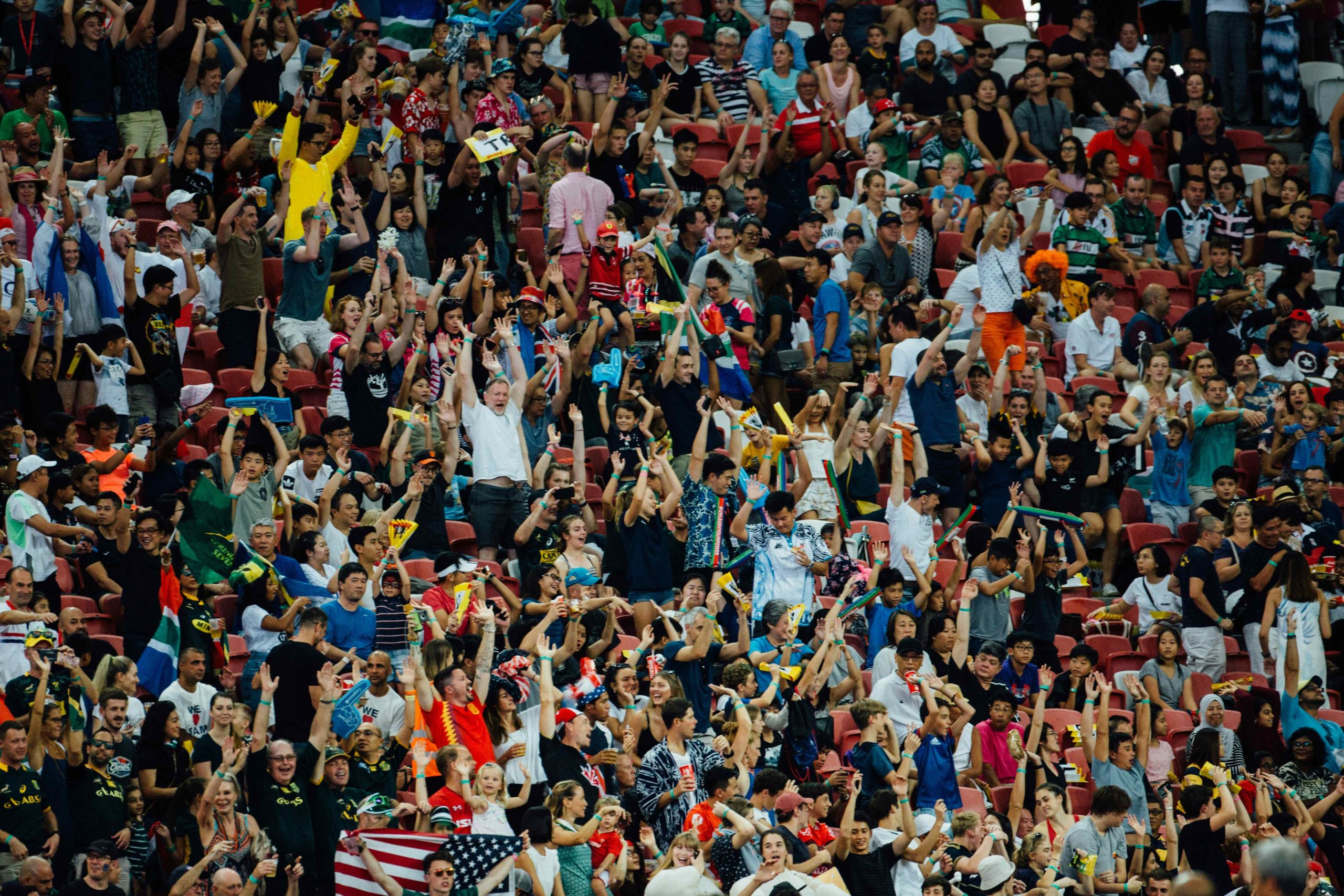
Yes, the 2026 World Cup is expensive. Hotels have tripled. Resale tickets are eye-watering. But with the right strategy, two weeks of genuine World Cup experience is entirely achievable without a second mortgage. Here is exactly how to do it.
Let us be honest about the numbers first. The 2026 FIFA World Cup, which runs from 11 June to 19 July across the United States, Canada and Mexico, is shaping up to be the most expensive edition of the tournament in history. Hotels in host cities have surged by as much as 300% for tournament dates. Resale tickets for the opening match in Mexico City are currently trading at around $3,400. The final at MetLife Stadium in New Jersey is listed on secondary markets at over $8,000 a seat. A recent Upgraded Points study found that attending a single group-stage match in Boston, factoring in flights, two nights of accommodation, transport and a ticket, could comfortably exceed $8,000 for an international fan. Here’s our guide to doing the World Cup 2026 on a budget.
These numbers are real. They are also not the whole story.
The 2026 World Cup is spread across three countries and sixteen cities, and the gap between the most expensive and most affordable ways to experience it is enormous. Choose the wrong city and you will pay $14 for a stadium beer. Choose the right one and the same round costs less than $3. The fans who will get the most out of this summer are not the ones with the biggest budgets. They are the ones who planned the most intelligently. Here is how to be one of them.
Start with the Destination: Mexico Is the Answer
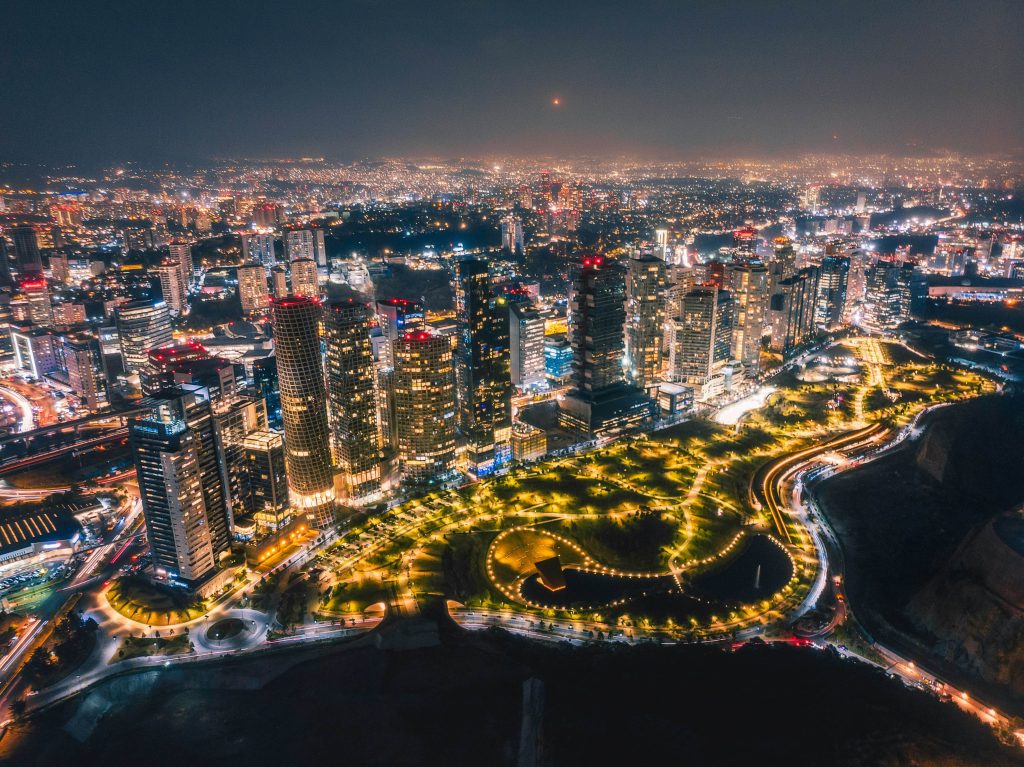
If budget is a genuine consideration, the conversation about where to base yourself begins and ends with Mexico. All three Mexican host cities, Mexico City, Guadalajara and Monterrey, rank in the top four on every cost index compiled for the 2026 tournament. Guadalajara in particular emerges as the outstanding value destination: local transport costs around $0.55 per ride, stadium meals average under $9, and hotel rates on match days hover around $207 per night, elevated from the city’s normal baseline but far below what you will pay in any comparable US city.
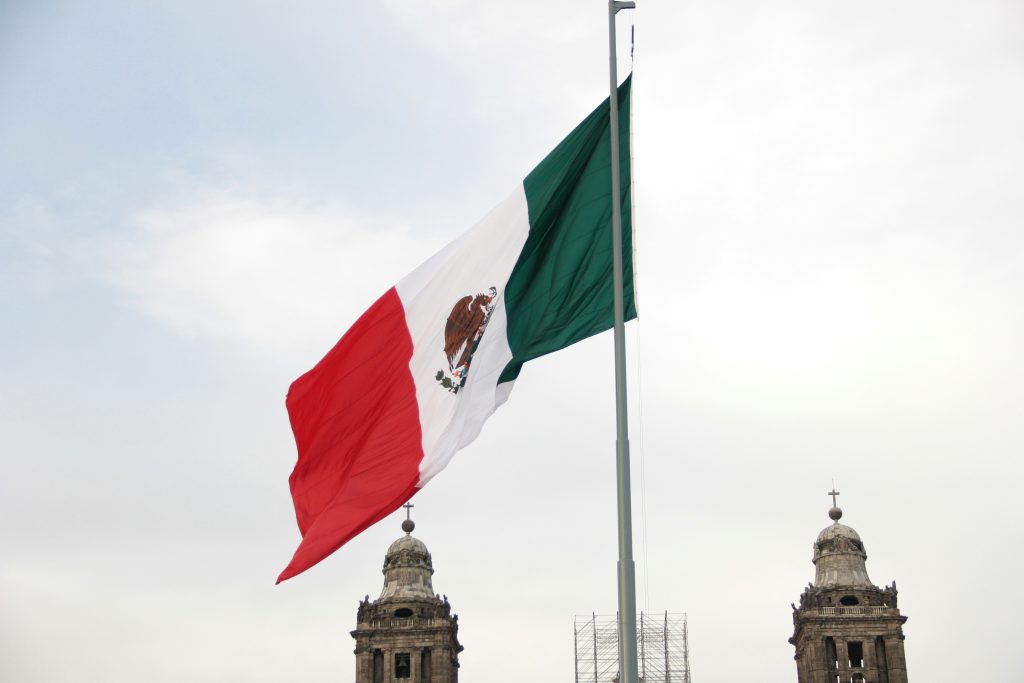
Mexico City is not just affordable. It is extraordinary. The Estadio Azteca, which has hosted a World Cup final before and carries more football history than almost any other stadium on earth, opens the entire tournament on 11 June with Mexico versus South Africa. The city surrounding it, with its world-class museums, its Roma and Condesa neighbourhoods built for exactly the kind of café and evening wandering that a World Cup trip should involve, its food scene that needs no major sporting event to justify a journey, is one of the genuinely great travel destinations in the world. During the World Cup it will cost you a fraction of what Los Angeles or Boston will charge for an equivalent experience.
A two-week trip built around Mexico City and Guadalajara, with a short domestic flight between them, is the most financially intelligent foundation for a 2026 World Cup holiday. Base yourself there, watch two or three group-stage matches, eat exceptionally well for not very much money, and use any remaining budget for one flight north if a specific match makes the case for it.
The Ticket Question: Think Small Teams and Group Stages
The most important thing to understand about 2026 World Cup tickets is that not all matches are priced equally, and the gap is significant. High-profile fixtures involving major footballing nations command premium prices at every stage of the market. Lower-profile group-stage fixtures between smaller nations offer something different: genuine, passionate football at a fraction of the cost, in stadiums that will still be full and loud and absolutely worth being in.
The cheapest ticket currently available on the secondary market is around $293, for a group-stage fixture between Ivory Coast and Curaçao in Philadelphia. Ecuador versus Curaçao in Kansas City is similarly priced. These are not compromises. They are matches that will feature real football, real supporters, and the specific atmosphere of a World Cup group stage that veteran tournament-goers will tell you is often more enjoyable than the latter rounds precisely because the crowds are more diverse and less corporate.
For the official market, FIFA introduced Category 4 tickets for the 2026 tournament specifically aimed at local residents and those on tighter budgets, priced at around £45 equivalent. These sell out quickly but do come available. Set up alerts, check the official FIFA ticketing platform regularly, and book the moment availability appears. For the group stage, patience and flexibility about which match you attend will save you hundreds.
Where to Stay: The Thirty-Mile Rule
The single most effective accommodation strategy for the 2026 World Cup is to stay thirty miles outside the host city on match days and use public transport to get in. Hotel prices in host cities spike dramatically for tournament dates, but that surge rarely extends far into the surrounding areas. In Boston, for example, staying in Providence or southern Massachusetts and taking the commuter rail directly to Foxboro Station, which is a short walk from Gillette Stadium, cuts accommodation costs dramatically. The same principle applies across the US host cities.
Where you do want to stay in the city, book shared accommodation rather than hotel rooms. A group of four sharing a two-bedroom apartment through any of the major rental platforms will pay significantly less per person than four individual hotel rooms, and will have a kitchen, which is where the real savings compound over a two-week trip. The earlier you book the better: prices are already rising and availability in well-located properties is contracting. A group booking now for mid-June will pay substantially less than the same booking made in May.
For Mexico, the calculus is different because the baseline costs are lower. Staying centrally in Mexico City is entirely affordable even during the tournament. The Roma Norte neighbourhood is walkable, superbly served by the metro system, full of excellent and inexpensive restaurants, and significantly more enjoyable than anything near a stadium parking lot.
Getting Between Cities: Fly Smart or Take the Train
North America is large in a way that a map does not prepare you for, and inter-city travel is one of the areas where costs most quickly spiral. The key is to plan your city cluster before you book anything else, because the tournament is most efficiently experienced in geographic groups rather than as a series of individual fixtures requiring cross-continental flights.
The US eastern seaboard, with matches in Boston, New York and Philadelphia and Atlanta within driving or short-flight reach, is a natural cluster. The western cities, Los Angeles and Seattle, form another. Mexico City, Guadalajara and Monterrey are connected by good domestic flights and form their own self-contained southern cluster that makes enormous sense as a base for two weeks.
For travel within the US, Amtrak has partnered with the tournament and is actively promoting rail travel between host cities. The Northeast Corridor between Boston, New York and Philadelphia is one of the most sensible options in the entire tournament for fans wanting to attend multiple matches without the cost and hassle of flying. Book early. Amtrak has already announced capacity constraints and prices will rise as the tournament approaches.
For budget flights between US cities and into Mexico, Google Flights price alerts set up now will track movements over the coming weeks. Avoid booking in the immediate aftermath of any major match result, when demand for onward travel to knockout-stage cities spikes sharply. Midweek flights and early-morning departures consistently offer the best fares.
Eat Like a Local, Not Like a Tourist
Stadium concessions at the 2026 World Cup are priced for a captive audience and should be treated accordingly. A beer inside Levi’s Stadium in San Francisco will cost you over $14. The same beer in a neighbourhood bar half a mile outside any Mexican stadium venue costs less than $2. The rule is simple: eat and drink before you go in, treat the stadium itself as the event, and return to the city for everything else.
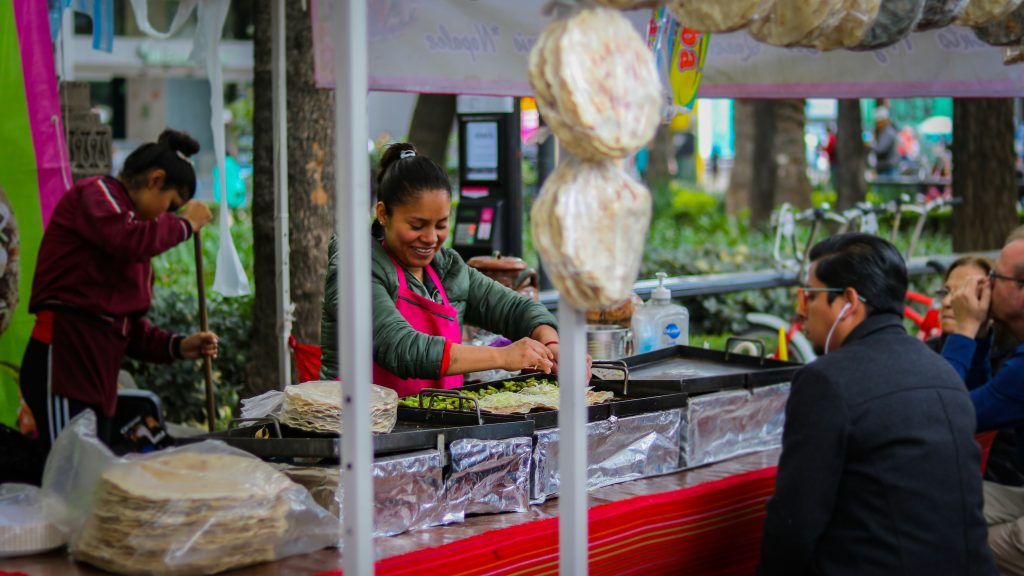
Every host city has a version of this calculation, and the fans who understand it early will eat significantly better than those who do not. In Mexico City, the taco stands of the Centro Histórico and the market food of Mercado de Medellín offer some of the finest food in North America for a few dollars a meal. In Miami, the Cuban food of Little Havana is extraordinary and inexpensive. In Los Angeles, the taco trucks of East LA and the Korean barbecue of Koreatown represent a level of quality that no stadium concession at any price could match.
For two weeks of eating well without spending heavily, the strategy is always the same: move away from the immediate stadium perimeter, find where local people are eating, and eat there. The World Cup brings the world to a city’s streets in a way that makes this unusually easy. Follow the away fans. They always know where the food is.
The Fan Zone Option: Free World Cup Football
This is the strategy that many fans overlook entirely and that the most experienced World Cup travellers consider essential. Every one of the sixteen host cities is hosting official FIFA Fan Festivals, which are free public events featuring large-screen live broadcasts of every match, live entertainment, food vendors and the specific, irreplaceable atmosphere of thousands of supporters from dozens of countries watching football together. Miami’s Fan Festival alone is expecting 815,000 visitors across the tournament. Mexico City’s Fan Festival will transform the Zócalo, one of the great public squares in the world, into what FIFA is calling the Greatest Temple of Football from 11 June to 19 July.
Attending a Fan Festival instead of a match for some fixtures and in the stadium for others is not a compromise. It is a way of experiencing more of the tournament than a single-stadium strategy allows, often in more interesting settings, always at a fraction of the cost. The atmosphere outside a stadium during a match broadcast can be more electric than many seats inside it. This is not a consolation prize. It is a different, sometimes better, version of the same thing.
The Two-Week Budget Blueprint
A realistic two-week 2026 World Cup trip built around Mexico and one or two US cities, attending two or three group-stage matches with Fan Festival attendance for the rest, and eating and drinking intelligently, looks something like this in broad terms.
Flights from Europe or South America into Mexico City, booked now on a flexible fare, will cost between £400 and £700 return depending on origin and timing. Accommodation in Mexico City for a week in a shared apartment, split across four people, runs to perhaps £30 to £50 per person per night. Two group-stage tickets in Mexico at face value, which remain available through official channels, average around £100 to £200 each depending on category. A domestic flight from Mexico City to a US city for a second cluster of matches adds perhaps £80 to £150. Budget accommodation outside the US host city, with a train or metro commute to the stadium, averages £80 to £120 per night. Food and drink for two weeks, eating locally and intelligently, runs to roughly £30 to £50 a day across both countries.
The total for two weeks, two countries, two or three matches attended live and several Fan Festival experiences, comes in comfortably under £3,000 per person for a group of four travelling together. That is not nothing. But it is a World Cup, and it is entirely achievable with planning that starts now.