
The pushback against mass tourism has reached a tipping point. Here is where the world actually wants you, and where it is quietly hoping you will give it a rest.
Something shifted in travel over the past few years. It used to be that a destination going viral was pure good news. More visitors, more revenue, more coverage. Now the picture is more complicated. In 2026, some of the world’s most iconic places are actively struggling with the weight of their own popularity, while quieter, less photographed corners of the planet are thriving precisely because nobody has overcrowded them yet.
Here is the honest guide to where to go and where to ease off, based on what the data is showing and what local communities are actually saying.
Destinations That Are Ready for You
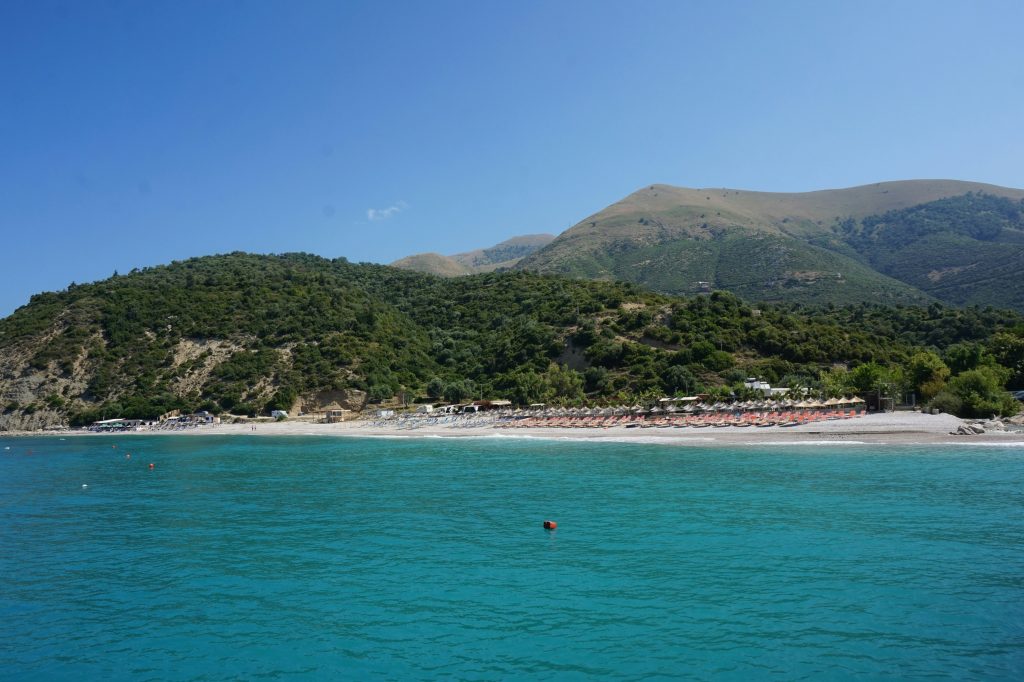
The Albanian Riviera keeps appearing in travel trend reports and for good reason. It has the coastline that people spend thousands trying to find in Greece or Croatia, at prices that feel like a decade ago. The locals are genuinely welcoming rather than wearily tolerant. The infrastructure is improving without being over developed. It is in a sweet spot that does not last.
Okinawa in Japan has seen a 71 percent spike in search interest, but it is still far from the chaos of Tokyo or Kyoto. It has its own language, its own food culture, its own pace. Japan as a whole is navigating a surge in tourism, but the regional government in Okinawa has been thoughtful about how it handles growth, and the experience on the ground still feels like a genuine discovery.
In Central Asia, Kazakhstan and Uzbekistan are drawing adventurous travellers who want landscapes and history that most people have never seen. The Silk Road cities of Samarkand and Bukhara are genuinely jaw dropping and you can still visit without queuing.
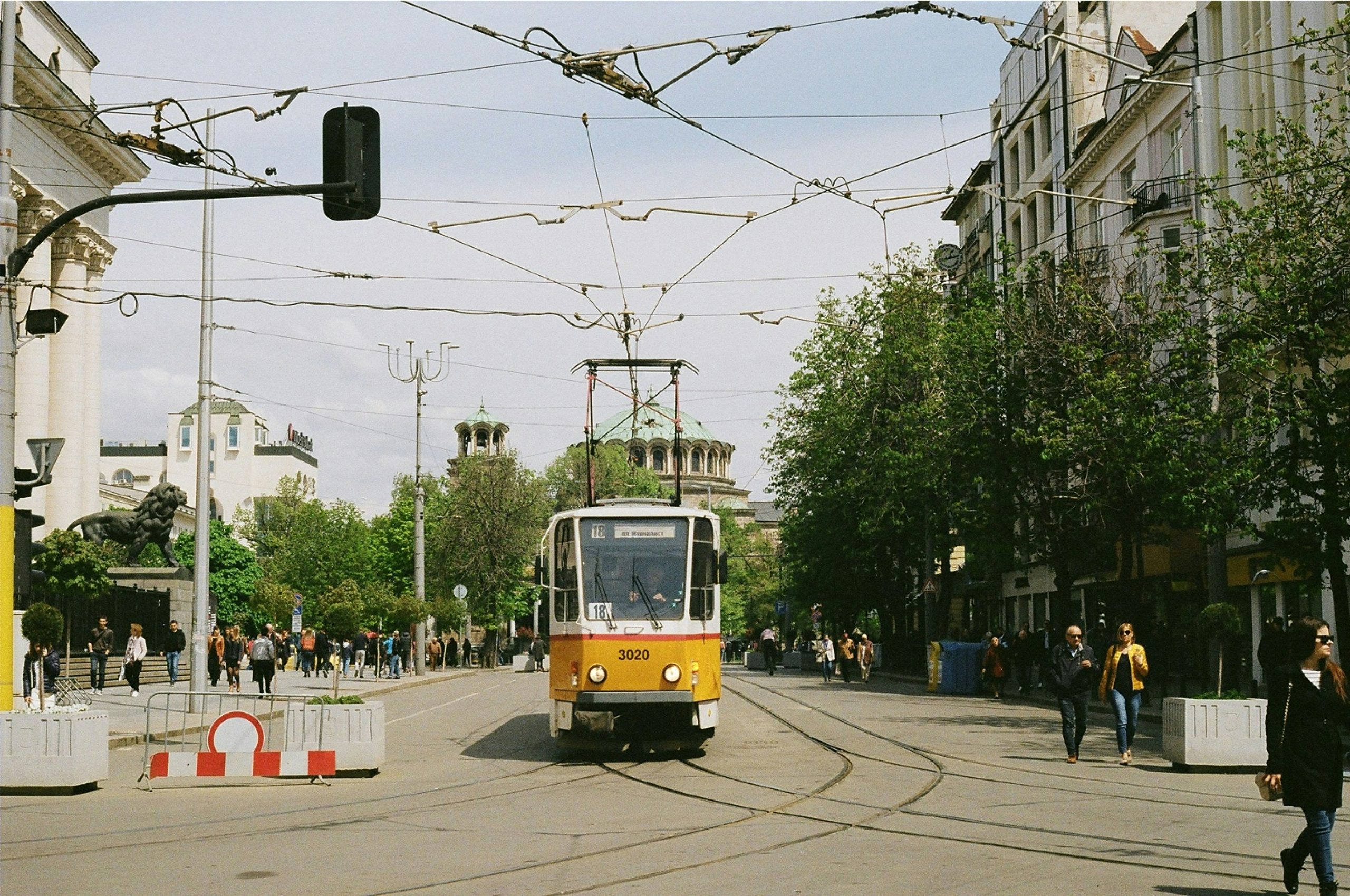
Eastern Europe is delivering the same quality of experience as its western neighbours at a fraction of the cost. Sofia in Bulgaria is one of the most underrated capital cities in the world. Prague and Budapest are well known but still worth it if you go outside the obvious tourist circuit.
Destinations Where You Are Part of the Problem
That sounds harsh, but the data and the protests both point in the same direction. Santorini has been at or beyond sustainable visitor numbers for years. The whitewashed cliffs and blue domes are real, but so is the fact that locals can no longer afford to live there. The island has become a set rather than a place.
Venice is a similar story. The city has been fighting for survival against rising water and rising visitor numbers simultaneously. Day trippers who arrive in the morning and leave in the evening generate noise, congestion and litter without contributing much to the local economy. If you go, stay at least two nights and eat somewhere that is not within 200 metres of the Rialto Bridge.
Montmartre in Paris is quietly approaching crisis point. It draws 11 million people a year to the Sacre Coeur alone, surpassing the Eiffel Tower. The residential streets around it are struggling to remain residential. Locals have been vocal about the impact on everyday life. It is still worth visiting but it deserves more than a selfie stop.
The Canary Islands are perhaps the most striking example of a destination asking for a pause. Residents have held large scale protests, pushing for visitor caps and fairer distribution of tourism revenue. The grievance is not with tourists personally. It is with a system that has allowed housing costs to spiral while the economic benefits flow upward rather than outward.
How to Travel Better This Year
The anti tourist approach is not about avoiding popular places entirely. It is about visiting them differently. Stay longer. Eat local. Walk streets that are not on the standard walking tour. Go in October instead of August. Book accommodation that is owned by local families rather than global investment groups.
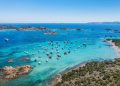
It also means being genuinely curious about places that have not made the cover of a travel magazine. Big Sky in Montana is up 92 percent in searches, not because a campaign told people to go there, but because travellers are making their own calculations about where the experience is still worth having. Sardinia is up 63 percent for the same reason. The Albanian Riviera is rising fast. These places are not secrets but they are not yet spoiled.
The best travel in 2026 is going to happen at the edges of the map rather than the centre of the crowd. The data is starting to reflect something that experienced travellers have known for a long time: the less obvious choice is usually the better one.