

By Michelle Chaplow, Hotel Essence Photography
After more than three decades as a hotel photographer shooting luxury and historic properties across five continents, I rarely experience a hotel in the same way as a guest. While travel is still a great personal passion of mine, when appraising any property my professional instinct inevitably comes to the fore, honed over many years of working closely with the hospitality industry. The moment I walk through the door, I am already assessing what I see.
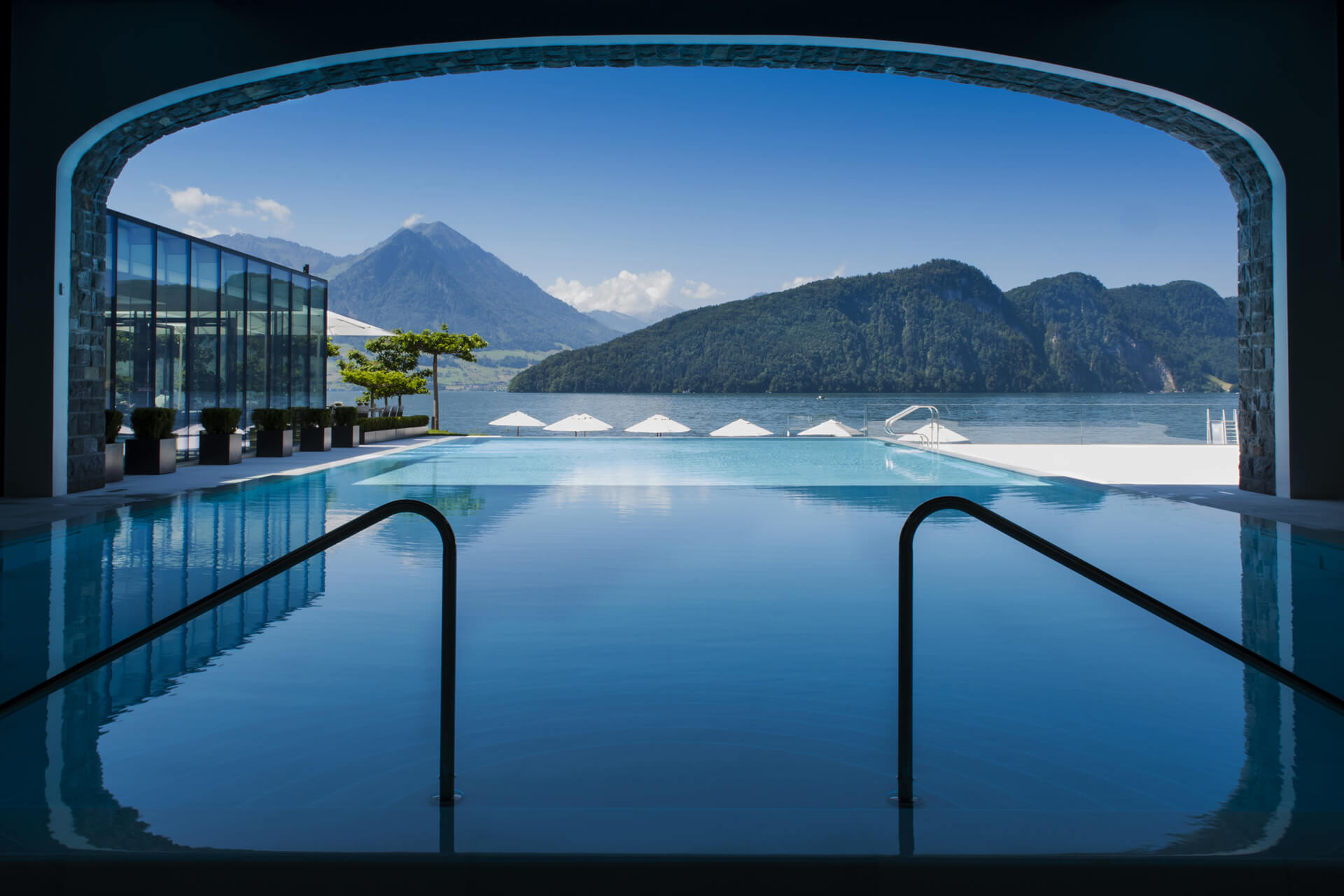
I am not simply looking at a space; I am considering what this space feels like for a guest and whether the setting will translate into an image that makes someone keen to check in, because in the end, that is the role of hotel photography. We are not there simply to document a property, but to create that “take me there” feeling.
That first smile, that initial interaction, sets the tone. The greeting must be immediate and instinctive; a warm, natural salutation puts people at ease. However, if the greeting feels insincere or distracted, the negative effect is just as strong.
I love fresh flowers in a hotel, they speak volumes. Eye-catching arrangements of floral displays in the lobby suggest care, attention, and pride. If these are tired or artificial, the narrative is quietly but definitively changed.
The lobby tells its own story, too. I am always looking at what is happening around the reception desk. Clutter, visible cables, or items that clearly don’t belong create an image of disorder. Guests may not consciously identify this, but they can sense the lack of harmony. The best spaces feel calm and intentional: every object has a place, and everything feels considered. That sense of visual order allows a guest to relax without quite knowing why.
The Textures and Details That Make Hotel Photography Work
Great hotel photography is never only visual, images should have a tactile element, too. I am drawn to textures that invite you to sit down, to touch them, to stay a little longer and luxuriate. Soft fabrics like silk and velvet, crisp linen, warm wood, natural materials, these are the elements that make an image more appealing.
Nowhere is this more true than the bed. Hotel beds should look perfect, as if you are the first guest who has ever stayed in that room, with no hint that anyone else slept in the bed before you. There is a clear difference between a housekeeping-tidy bed and a camera-ready bed. When we photograph a room, our stylist works diligently to steam out any creases so that the bed looks untouched: it needs to feel inviting but pristine. If the linen looks even slightly disturbed, the illusion is broken.
Light is the single most important element in any photograph. A room that looks good at midday can become extraordinary in either early morning or late afternoon. Light creates mood, depth, and atmosphere, softening edges, highlighting textures, and bringing a space to life. Understanding how light moves through a hotel is essential, I am always noting the right moment to shoot, because optimum timing matters as much as composition.
From the moment my team arrives, we are also aware of which members of the hotel staff might work well on camera. It’s like a discreet, unspoken casting: the key elements we’re looking for are a warm smile, good posture, and a well-groomed appearance. Models are great for lifestyle, as hotel guests, but someone proudly performing their own role in a smart uniform, a waiter, concierge, or receptionist, makes for a superb environmental portrait that conveys a hotel’s story.
The Small Details a Hotel Photographer Never Misses
Take bath towels: immaculate towels are essential for photographs; worn or discoloured bath linen sends the wrong message immediately. Bathrooms are equally revealing, they need to be flawless, with no cracks or stains. Guests associate bathroom quality with overall hygiene, and rightly so.
Cameras are unforgiving: they notice every scratch, scuff, and sign of use, as do I, the eagle-eyed hotel photographer. All these telltale marks become more visible through the lens. In pet-friendly properties, an increasingly popular category, I have even seen bite marks on furniture legs.
Yet luxury is not always about scale. Thoughtful details can count just as much. A simple pillow gift can create a lasting impression, I have heard guests, even ultra-high net worth ones, comment more about a small, meaningful pillow gift than about anything else. These moments stay in people’s memories, and they translate into storytelling and word-of-mouth for the hotel.
Food presentation, too, is an art form in itself. I think about how dishes will translate through the lens: colour, texture, freshness, and composition all work together to create something irresistible. Guests love to post their foodie pics on social media, and a beautifully plated dish is a photograph waiting to happen.
Capturing the Essence: The True Role of a Hotel Photographer
In the end, I don’t only document spaces, I capture the essence and spirit of luxury and historic hotels. Light is always part of that, but so is atmosphere, detail, and emotion. The goal is to create an image that allows someone to imagine themselves there before they have even booked.
The intrinsic value to the industry of an experienced hotel photographer is that we notice engaging details that others overlook, and we transform those essential points into something compelling. Because photography is not just about showing a hotel at its best. Our aim is to make people want to experience the property for themselves.
Michelle Chaplow is the founder of Hotel Essence Photography — “We don’t just photograph hotels, we capture their very essence.” hotelessencephotography.com · Instagram: @hotelessencephotography