


Forget beach resorts and city breaks. The way people are travelling in 2026 has changed fundamentally and the numbers back it up.
Travel in 2026 is not what it looked like five years ago, or even two. The booking data, search trends and social media signals are all pointing to a shift in what people want from a trip and how they are choosing to spend their money. Some of these trends are reactions to the world as it is right now. Others are a long time coming. Here are the seven that matter most.
1. The Cool cation Is the New Beach Holiday
Searches for cool climate destinations have risen 300 percent as travellers actively seek escape from summer heat. Scandinavia, the Baltics and Iceland are all seeing surges in interest from people who want to travel in summer without arriving somewhere that is hot, crowded and uncomfortable. Climate anxiety is reshaping holiday planning in ways that are showing up clearly in the booking data, with 45 percent of travel advisors reporting that clients are adjusting plans because of it.
2. Eclipse Chasing Has Gone Mainstream
The total solar eclipse on August 12 is tracking as one of the most anticipated single events in travel history. The path of totality crosses Spain’s Aragon and Basque Country, passes through Iceland and sweeps across Greenland. Demand for accommodation in those regions is already being described as sky high, with some areas fully booked months in advance. Astrotourism was a niche interest five years ago. In 2026 it is a major booking category.
3. The Northern Lights Are at Peak Intensity
The Northern Lights are reaching solar maximum in 2026, which means peak intensity and the widest visibility window in roughly a decade. Scandinavia and Iceland are the obvious beneficiaries, but travellers are also looking further afield to northern Canada and Greenland. If you have been putting off an aurora trip, the conditions this year are as good as they get.
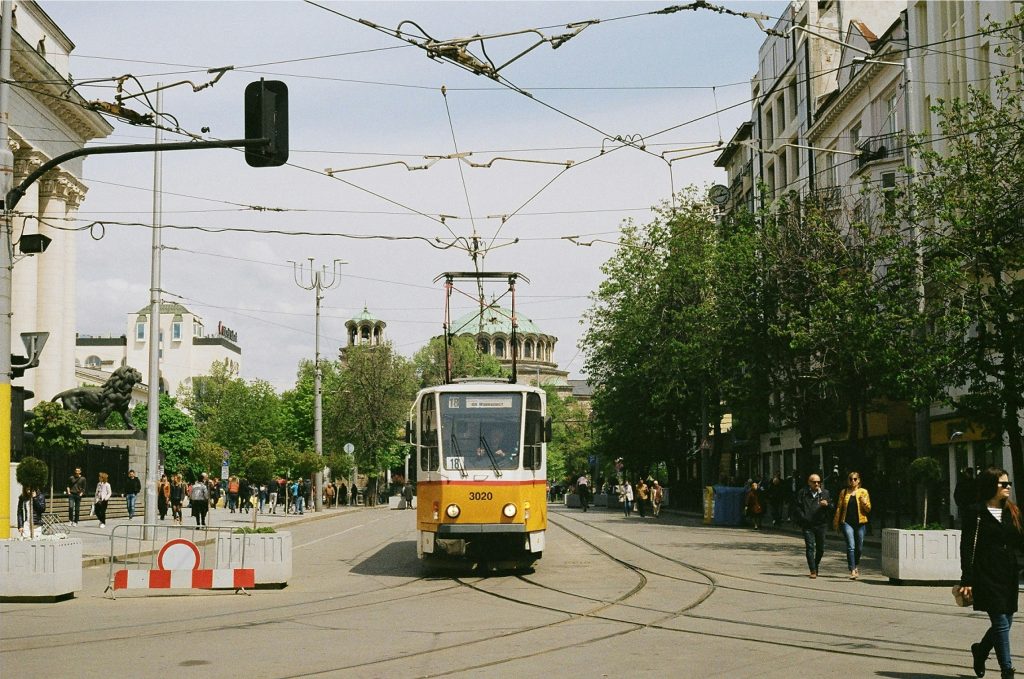
4. Train Travel Is Back and People Are Serious About It
There has been a 25 percent year on year increase in bookings for long distance train journeys. Alpine crossings, transcontinental routes through Central Asia, coastal railways in Europe: the data shows that travellers are choosing slower ground transport as both an environmental statement and a genuine experience in itself. Hotel bookings for properties with mountain views are up 103 percent. People want the journey as well as the destination.
5. Slow Travel Is Replacing the Tick Box Trip
The era of five cities in seven days is fading. Travellers are increasingly choosing to spend two weeks in Slovenia rather than two days each in five European capitals. The motivation is partly economic, partly ethical and partly about quality of experience. Staying longer in one place means spending money in ways that actually reach local businesses, and it means understanding somewhere rather than photographing it. Search data shows Vietnam and Slovenia as two of the standout choices for this kind of extended single destination travel.
6. Event Driven Travel Is at an All Time High
The FIFA World Cup across North America, the Winter Olympics in Milan and the Dolomites, the Commonwealth Games in Glasgow and the US Semiquincentennial in Philadelphia are all generating travel decisions that would not otherwise have been made. Travellers are planning entire trips around a single event and extending their stay to explore the surrounding region. Kansas City, Philadelphia and Mexico City are all expected to see historic visitor numbers this summer.
7. AI Is Personalising the Way People Plan
The use of AI tools for travel planning has moved from early adopter territory to mainstream behaviour. Travellers are using AI to surface off the beaten path destinations that would not appear in a standard Google search, to build itineraries around specific interests and values, and to find accommodation that matches a mood rather than just a price range. The platforms are responding: Booking.com, Skyscanner and Trip.com are all integrating AI tools that go far beyond basic search. The result is a more personalised, less algorithmic travel experience that is helping people find places that feel genuinely right for them rather than just statistically popular.
The common thread running through all seven of these trends is intentionality. The travellers driving the data in 2026 are not going somewhere because everyone else is. They are making considered choices based on their own interests, their environmental awareness and a growing sense that a great trip is about depth rather than distance covered. The destinations that are rising fastest are the ones that reward that approach.