
A generation of women in their thirties have built impressive lives in expensive cities and are exhausted in a way that a weekend away is not fixing. It is time to talk about what is actually going on.
There is a specific kind of tired that is familiar to almost every woman in her thirties living in a major city, and it is not the kind that sleep resolves. It accumulates through overcommitment and under-rest, through the particular friction of living somewhere expensive that requires constant performance to afford, through the years of saying yes to the wrong things because saying no felt like falling behind. It has started, lately, to acquire a name. Urban burnout. City fatigue. Chronic activation. The names are new. The experience is not.
91% of adults reported high or extreme stress over the past year, according to The Burnout Report 2025. Workplace pressures are major contributors and women feel it more sharply, with 50% reporting high workloads or unpaid overtime.
What is new is that we are beginning to talk about it with something approaching the seriousness it deserves. For a long time, exhaustion was coded as ambition, a badge worn by people who were serious about their lives, proof that they were in the game. The culture of overwork that built itself into the fabric of London and New York over the past three decades made busyness a status signal, and the women who absorbed that culture most thoroughly are now, in their mid-thirties and early forties, confronting the bill.
Busyness became a status signal. The women who absorbed that culture most thoroughly are now, in their mid-thirties, confronting the bill.
Clinical burnout, the World Health Organisation’s official definition, is characterised by three features: exhaustion, cynicism or detachment, and reduced efficacy. What distinguishes it from ordinary tiredness is the duration and the specific texture of it. It is not fixed by rest alone. It tends to arrive after a prolonged period of high demand with insufficient recovery, and it affects the whole person, emotional, cognitive, and physical, not just one dimension.
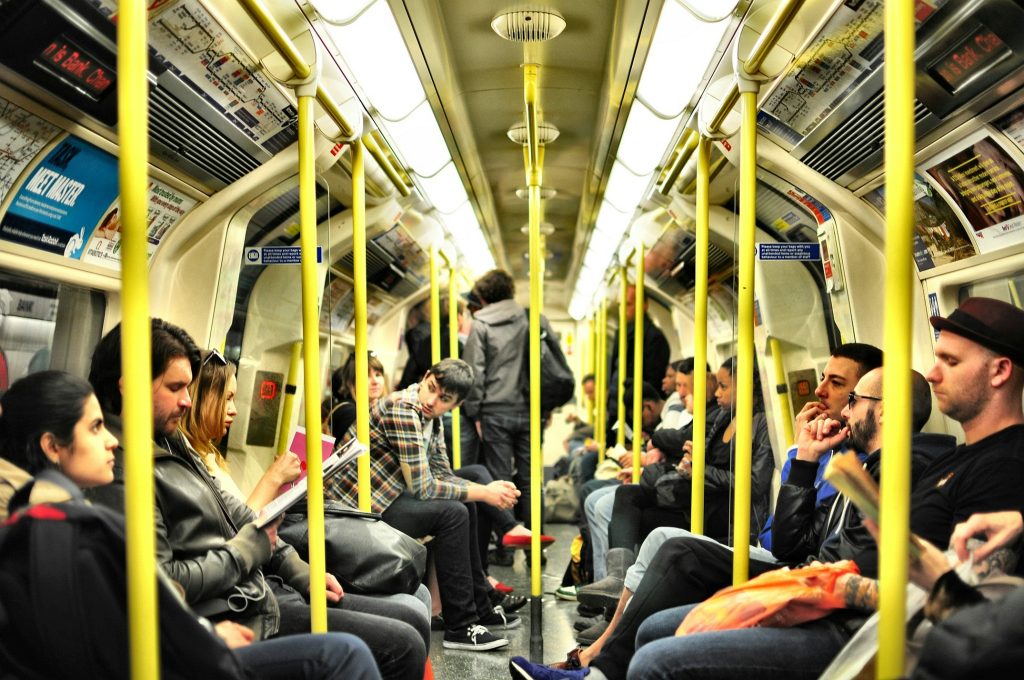
Urban burnout carries additional layers. The city environment itself is a chronic stressor: noise, density, cost, competitiveness, the relentless social comparison made inescapable by the proximity of other people’s visible success. Research from University College London consistently links urban living with higher rates of anxiety and mood disorders, not because cities are inherently bad for mental health but because they require a level of continuous low-grade vigilance, navigating crowds, managing commutes, processing stimulation — that rural or suburban environments do not. Over years, that vigilance extracts a cost.
For women specifically, the cost is compounded. The domestic load that disproportionately falls on women, whether they live with partners, children, or ageing parents, does not disappear in cities. It sits alongside the professional load. The result is a form of double shift that is well-documented in the research and chronically under-discussed in the places where professional women actually spend their time.
The instinct to treat burnout with rest is correct in principle but insufficient in practice when the burnout is structural. A weekend away, or even a holiday, provides temporary relief by removing the person from the environment. But it does not change the environment. It does not renegotiate the workload. It does not address the underlying conditions that generated the depletion in the first place. When the person returns, the conditions return with them.
What the evidence suggests actually helps is less glamorous than a weekend in the Cotswolds. It involves reducing demand at source, saying no more, delegating more, letting things be undone that can be undone. It involves addressing the domestic imbalance in households where it exists, which requires conversations that many couples find harder than the burnout itself. It involves, in some cases, a fundamental reassessment of what the city is giving back relative to what it is taking, and whether that trade is still worth making.

A holiday removes you from the environment temporarily. It does not change the environment. When you return, the conditions return with you.
This is not an argument against cities. Cities are extraordinary, culturally rich, professionally alive, full of the kind of density and possibility that is genuinely hard to replicate elsewhere. But they work best for people who have built enough margin into their lives to absorb the friction. The women who are burning out are, in many cases, the ones who have spent years running at full capacity with no margin at all, and have only just noticed because the system has started to fail.
The first step, as with most things that have been going on for too long, is honest recognition. Not dismissing the tiredness as normal and not reframing it as a sign of dedication.