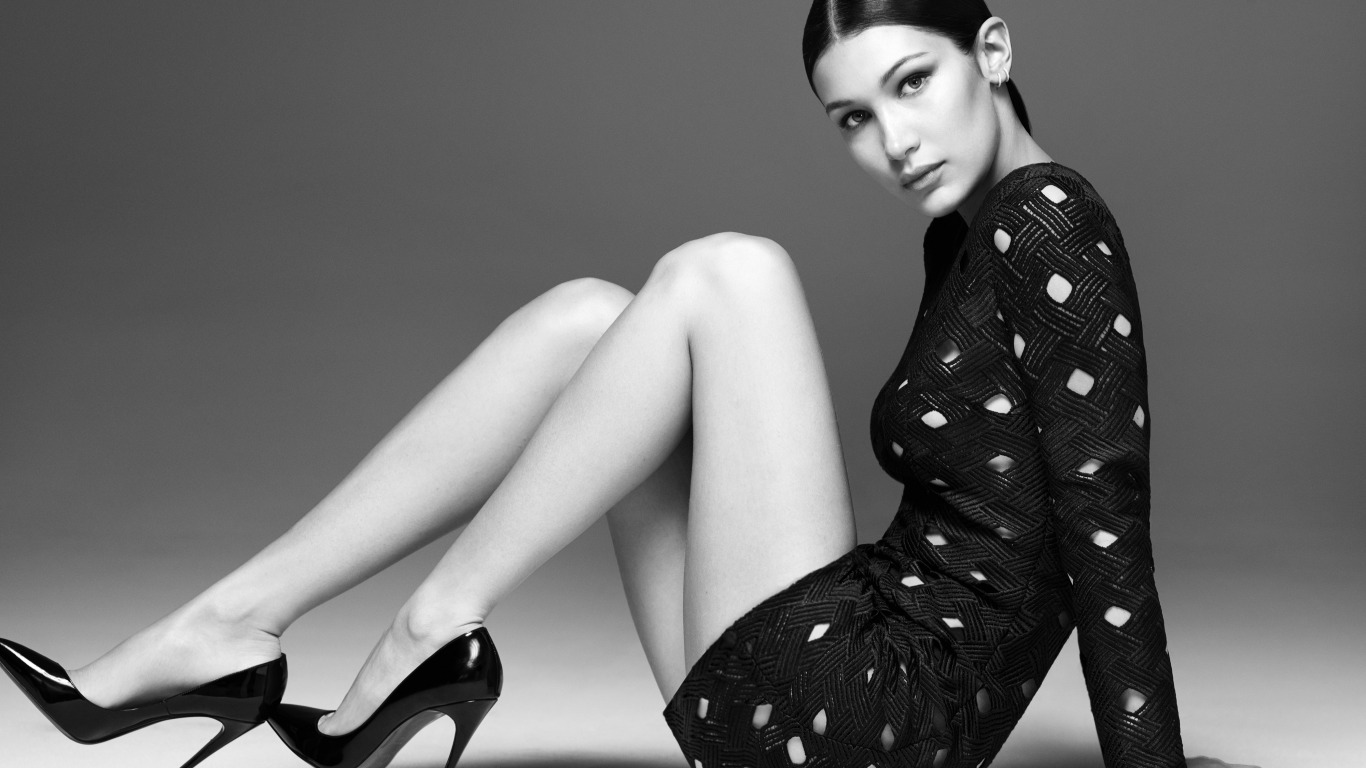
Fashion has always thrived on acceleration. New seasons, new faces, new campaigns, a relentless cycle that rarely pauses for reflection. Yet Bella Hadid, one of the defining models of the past decade, has quietly become the industry’s most unexpected symbol of something else entirely: stepping back.
At 29, Hadid’s career is already the stuff of fashion mythology. She has walked for nearly every major house, from Dior to Versace, while becoming a muse to designers and photographers alike. But over the past few years, the story surrounding Hadid has shifted from runway dominance to something more introspective: a young woman re-learning how to live outside the machinery of fashion.
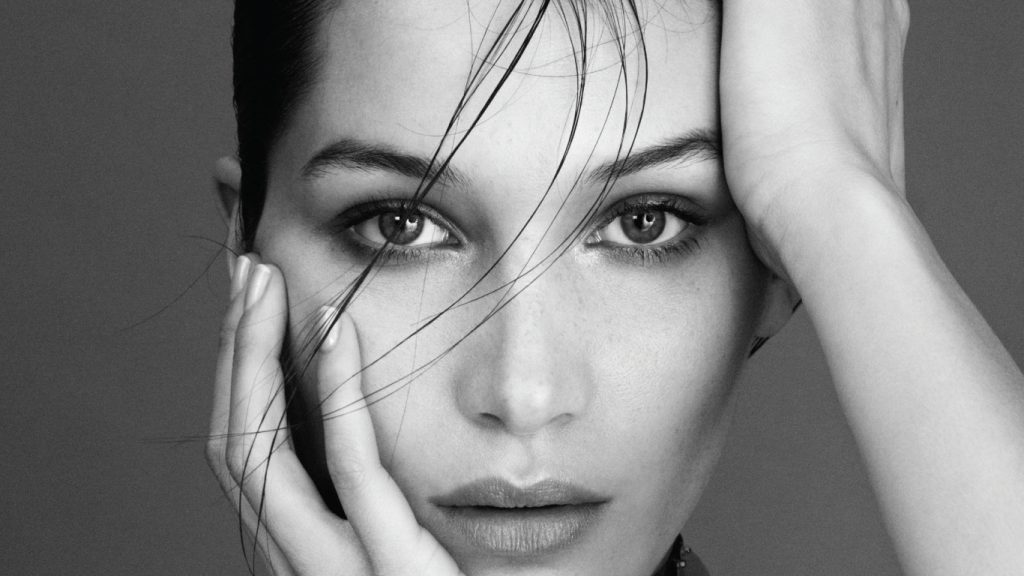
Hadid has long battled chronic Lyme disease, an illness she was diagnosed with as a teenager that can cause extreme fatigue, joint pain and neurological symptoms. At one point, the condition forced her to turn down nearly every job for a year, a moment she later described as emotionally destabilising. Being unable to work made her feel “disposable,” she admitted, revealing the psychological pressure that comes with building an identity around success.
For someone whose career had been defined by constant motion, fashion weeks, international campaigns, editorial shoots, the pause was jarring. Yet it ultimately transformed her relationship with fame, life, purpose?
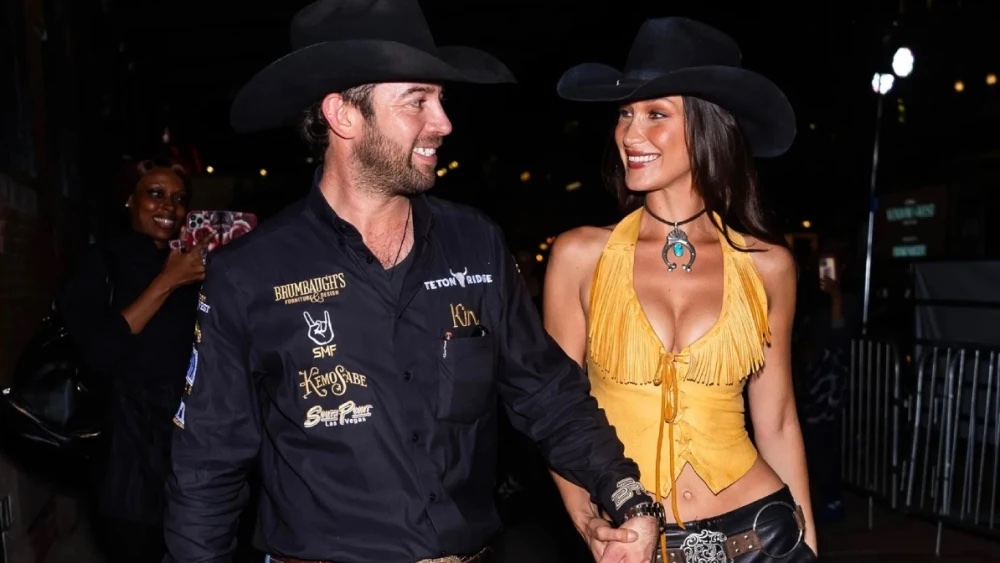
Hadid began spending more time in Texas, where she immersed herself in horseback riding and a slower rhythm of life. The shift was not just geographical; it was philosophical. The supermodel who once embodied high-fashion intensity suddenly seemed drawn to something closer to the American West, denim, cowboy boots, wide horizons.
In street-style photos and magazine features, Hadid’s wardrobe evolved into a hybrid of runway polish and cowgirl practicality. Vintage leather jackets appeared alongside classic denim and Western boots. Her aesthetic felt less curated, more lived-in.
Even Vogue has leaned into the narrative of reinvention. In a recent beauty interview, Hadid spoke candidly about living near Dallas–Fort Worth, describing how Texas culture, and particularly the many different types of cowgirls she encountered, reshaped her sense of style and identity.
Some wear diamonds and perfectly styled hair under their cowboy hats, she noted; others spend their days riding horses with messy ponytails and no makeup. Hadid places herself somewhere between the two.
While her life in Texas offers distance from fashion’s intensity, Hadid has not disappeared from the industry entirely. In 2025 she made a striking return to the runway at Paris Fashion Week, walking for Saint Laurent only weeks after being hospitalised during her Lyme treatment, a moment that felt less like a comeback than a declaration of resilience.
For years the fashion world projected an image of perfection onto its models: flawless skin, impossible schedules, effortless glamour. Hadid has quietly dismantled that illusion by speaking openly about therapy, chronic illness and the emotional complexity of fame.
On social media, where she has more than 60 million followers, Hadid often shares glimpses of a life that looks strikingly normal: riding horses, spending time with her niece Khai, searching vintage platforms for archival Prada pieces once owned by her mother.
They transform Hadid from a distant fashion icon into something more relatable: a woman navigating adulthood while living inside one of the most visible careers in the world.
Hadid recently became the global face of Prada Beauty, a partnership that signals both commercial power and cultural relevance. At the same time, she has begun exploring acting, including filming a role in Ryan Murphy’s series The Beauty, an experience she described as liberating because it forced her to relinquish control and perfectionism.
That willingness to step outside modelling suggests the next phase of her career may look very different from the first. But perhaps the most interesting transformation is subtler.
In a culture obsessed with visibility, Hadid’s story is not about constant presence but selective engagement. She appears when she wants to, and disappears when she needs to. A balance most celebrities never find.