

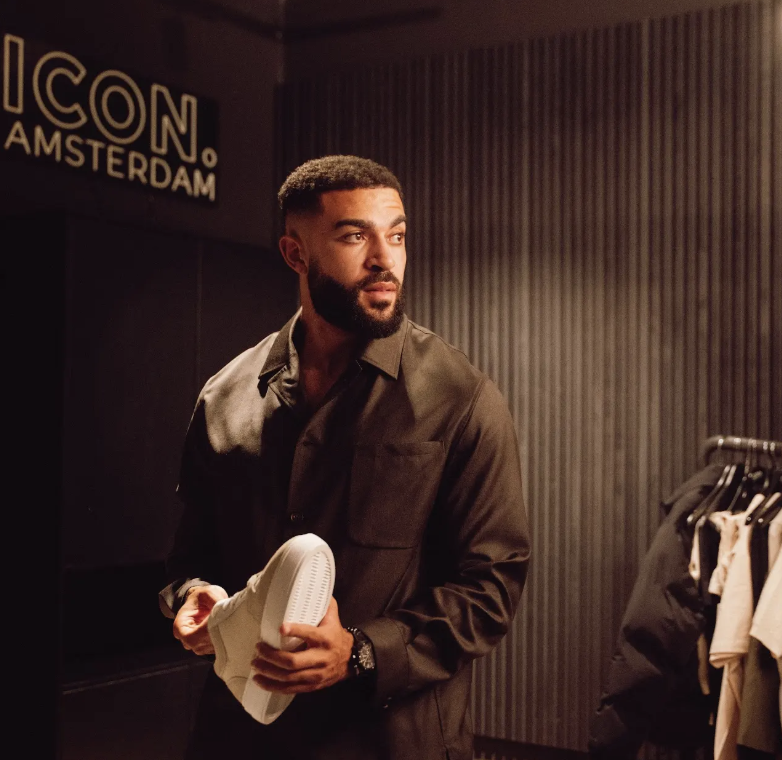

Men’s fashion is entering a quieter, more deliberate era. After years dominated by algorithm-driven hype cycles, fast aesthetics, and trend saturation, 2026 is shaping up to be a reset year. The conversation is moving away from what looks impressive online and toward what actually fits into real life.
This shift is not about nostalgia or conservatism. It is about intention. Men are increasingly asking why they wear what they wear, how it supports their daily lives, and what it signals about their values rather than their status.
From a broader cultural perspective, men’s fashion trends 2026 will be defined less by novelty and more by clarity. Fewer statements. Better decisions.
The End of Loud Fashion as Default
Over the last decade, men’s fashion has often mirrored the logic of social platforms. Visual extremes traveled faster than considered design. Loud silhouettes, exaggerated branding, and trend-stacking became shortcuts to relevance.
But saturation has consequences. When everything is designed to stand out, nothing does.
By 2026, fatigue with this model is evident. Consumers are no longer impressed by constant reinvention for its own sake. Instead, they are drawn to brands and styles that demonstrate restraint and consistency. Clothing that does not demand attention but earns it over time.
This does not mean minimalism in the aesthetic sense alone. It reflects a broader psychological shift. Men are more selective with their energy. They want fewer decisions, fewer distractions, and fewer items that feel disconnected from their real routines.
Fashion that aligns with this mindset becomes a tool rather than a performance.
Function Is No Longer a Compromise
Historically, men were often forced to choose between form and function. Clothes were either practical or presentable. Rarely both.
That distinction is dissolving.
One of the defining men’s fashion trends 2026 will be the expectation that garments perform across contexts. Office, travel, social settings, and movement are no longe separate wardrobes. Men want clothing that adapts without needing explanation.
Stretch fabrics, intelligent tailoring, and thoughtful construction are becoming baseline expectations rather than premium add-ons. Comfort is no longer framed as casual. It is framed as capable.
Importantly, this evolution is not about athletic wear replacing tailoring. It is about tailoring absorbing the lessons of movement, durability, and real-world use.
When clothing supports the body properly, posture changes. Confidence become quieter but more stable. The result is presence rather than display.
The Shift From Trend Identity to Personal Systems
Another key development shaping men’s fashion trends 2026 is the decline of identity through trends. For years, men borrowed identity from external signals. Streetwear labels, luxury logos, or influencer-led aesthetics acted as proxies for taste and belonging.
That model is weakening.
Men are beginning to build personal systems instead. Fewer items, chosen deliberately, worn repeatedly, and refined over time. This approach mirrors how successful individuals structure other areas of life, from fitness to work to relationships.
Style becomes a reflection of internal standards rather than external validation.
This also explains the renewed interest in fit. Not exaggerated silhouettes or extremes, but clothing that complements the individual body. Fit communicates self- respect without explanation. It suggests attention without insecurity.
In 2026, the best-dressed men will not be those chasing novelty. They will be those who look consistent, composed, and unmistakably themselves.
Masculinity Without Performance
Men’s fashion has always been tied to ideas of masculinity. What is changing is how that masculinity is expressed.
The coming years point toward a rejection of performative toughness and hyper-stylized masculinity. Instead, there is growing space for composure, discipline, and emotional intelligence to coexist with strength.
Clothing that reflects this balance avoids caricature. It does not rely on aggression, excess, or irony. It communicates calm authority.
This matters because fashion does not exist in isolation. Men today are navigating complex expectations around work, leadership, family, and self-development. The clothes they choose increasingly need to support those roles rather than distract from them.
Men’s fashion trends 2026 will reward brands and styles that understand this nuance.
Those that mistake masculinity for volume or dominance will feel increasingly outdated.
The Influence of Entrepreneurial Lifestyles
Another under-discussed driver of change is the growing overlap between entrepreneurship, remote work, and personal branding. More men are building careers that blend professional and personal identities.
This affects how they dress
The traditional split between workwear and leisurewear no longer holds. Clothing must transition seamlessly between meetings, travel, creative work, and social settings. Visual coherence becomes more important than formal rules.
Men who operate in these environments value reliability. They want to know that what they put on in the morning will carry them through the day without adjustment.
This is why consistency is emerging as a form of luxury. Knowing what works and repeating it is no longer seen as boring. It is seen as efficient.
Sustainability as a Secondary, Not Primary, Driver
While sustainability remains part of the conversation, its role is maturing. In 2026, it will matter less as a headline claim and more as an embedded expectation.
Men are skeptical of virtue signaling. They respond better to quality, longevity, and transparency than abstract promises. Clothes that last, age well, and remain relevant naturally align with sustainability without needing to announce it.
This aligns with the broader trend toward fewer purchases made with more intention. The most sustainable garment is the one that remains in rotation for years.
What This Means Going Forward
Men’s fashion trends 2026 are not about dramatic reinvention. They are about refinement.
The future belongs to clothing that supports focus rather than competes with it. To brands and styles that understand discipline, restraint, and long-term thinking. To men who dress to show up well rather than to be seen.
This evolution mirrors broader cultural changes. As noise increases elsewhere, clarity becomes valuable. As attention fragments, presence becomes rare.
Fashion, at its best, reflects this reality. For men navigating modern life, style is no longer about proving something. It is about aligning how you look with how you live. Quietly. Intentionally. Consistently.
That is the real direction of men’s fashion in 2026.