

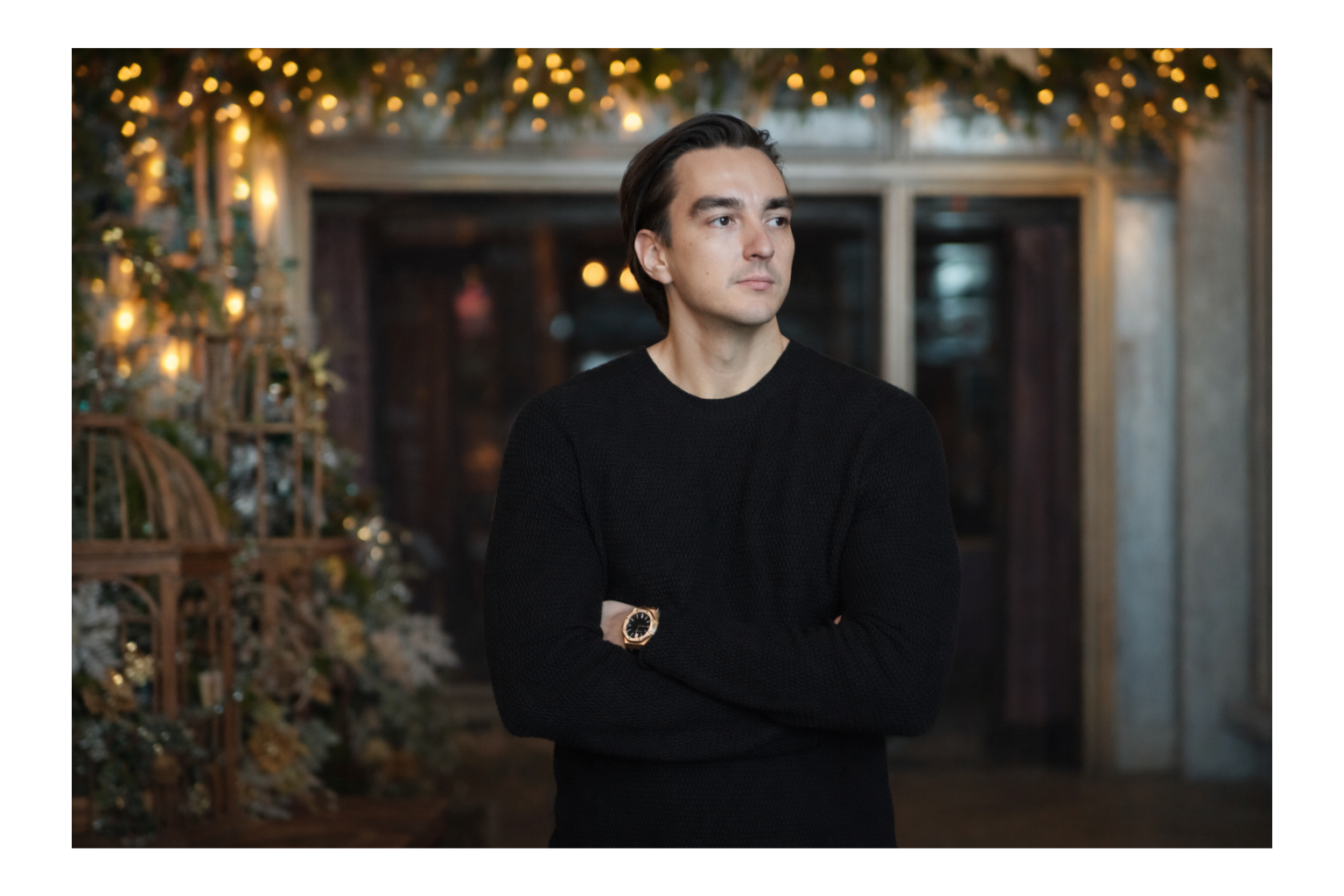

We spoke with Nail Saifutdinov, President of the United World Religions Organization (UWRO), about how he sees Faith tech evolving in 2026—and how UWRO is helping religious organizations around the world with modern websites, apps, and media, plus practical solutions for remembrance and care.
Faith is timeless, but the way people connect, learn, and stay in touch keeps changing. In 2026, religious organizations are expected to communicate clearly online, offer simple digital experiences, and show up with media that feels current and thoughtful. UWRO (United World Religions Organization) — is an international foundation working at that intersection. We sat down with UWRO President Nail Saifutdinov to discuss the priorities of Faith tech in 2026 and the kind of digital work that can genuinely serve people.
1) World Lifestyler: Nail, what is UWRO?
Nail: UWRO is an international foundation focused on Faith tech. We help religious organizations with websites, apps, media, and social media content—so their digital presence is clear, modern, and helpful for people.
2) World Lifestyler: What’s the mission in one sentence?
Nail: To support religious organizations with strong digital tools and high‑quality content—so they can communicate, serve, and stay connected with people in a respectful, healthy, and sustainable way.
3) World Lifestyler: What do you and your team actually deliver?
Nail: We design and build websites and apps, produce media content, and help set up social media workflows. We also train teams so they can run it confidently on their own.
4) World Lifestyler: What does “good Faith tech” mean to you?
Nail: It means simple navigation, clear information, reliable performance, and content that feels human and respectful. It should be easy for people to understand what’s happening and how to reach someone.
5) World Lifestyler: UWRO works across many traditions. Which ones?
Nail: Catholic Christianity, Orthodox Christianity, Protestantism, The Church of Jesus Christ of Latter‑day Saints (LDS), Islam, Judaism, Hinduism, Buddhism, Sikhism, Jainism, the Bahá’í Faith, Shinto, Zoroastrianism, Yoruba Religion, Confucianism, the Armenian Apostolic Church, Anglicanism, and Daoism.
6) World Lifestyler: How do you approach content and media for such a wide range?
Nail: With care and professionalism. We focus on clarity, tone, and quality. We don’t change beliefs—we help organizations communicate and present their work in a strong digital format.
7) World Lifestyler: You also develop cemetery navigation. Why is that part of UWRO?
Nail: Because it’s about remembrance and care. We want to help people find a burial site through clear navigation, and support families who want to take care of a loved one’s resting place even from far away.
8) World Lifestyler: What does that look like for a person using it?
Nail: A person searches using basic details, sees the exact location and directions. On-site screens can help visitors too. The goal is to make the visit simpler and calmer.
9) World Lifestyler: What do you mean by “care from a distance”?
Nail: Practical options like flowers, cleaning, and upkeep—organized in a reliable way. If someone lives in another city or country, they can still show care through real actions.
10) World Lifestyler: What do you want people to feel when they hear “UWRO”?
Nail: That we’re here to help. That we take digital quality seriously. And that we build tools that make life a little easier—especially in moments that matter.
World Lifestyler: Nail, thank you for sharing your perspective with us. We look forward to seeing UWRO’s new solutions that will keep strengthening and improving the faith communities.
Nail Saifutdinov: Thank you for your interest and for the thoughtful questions. God bless you.
More about UWRO’s mission and work: uwro.org